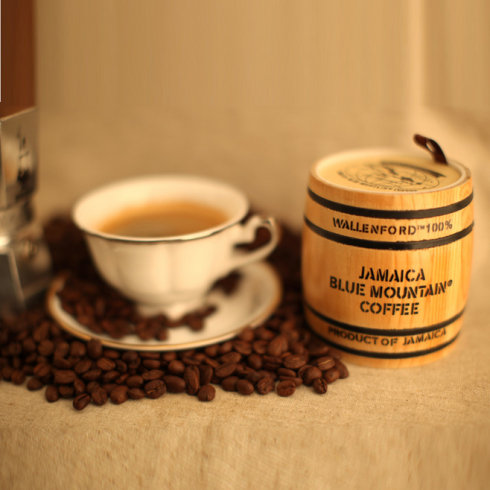
What Makes Jamaican Blue Mountain Coffee So Special?
Ever wondered why Jamaican Blue Mountain coffee costs more than almost any other coffee in the world? If you’ve heard the name but aren’t sure why it’s treated like liquid gold, you’re not alone. It’s not just marketing—it’s scarcity, strict quality control, and decades of global demand that have turned this coffee into a legend. But what really makes it worth the price?
Jamaican Blue Mountain coffee is considered among the best in the world due to its limited production—under 2,500 tons per year—and unique growing conditions. Only beans grown above 666 meters in the Blue Mountains of Jamaica, certified by the Coffee Industry Board (CIB), can be called 'Jamaica Blue Mountain Coffee.'
What Is Blue Mountain Coffee, Really?
Despite common belief, not all coffee grown in Jamaica is Blue Mountain coffee. Officially, only coffee cultivated at elevations above 666 meters in the Blue Mountain region of eastern Jamaica qualifies. The Blue Mountains stretch over 50 kilometers and include five main coffee-growing areas: John Crow, St. John’s Peak, Mossman’s Peak, High Peak, and Blue Mountain Peak. These regions share a cool climate, volcanic soil, and steady rainfall—ideal for slow cherry maturation and complex flavors.
The coffee is divided into four grades under CIB standards: No.1, No.2, No.3, and PB (peaberry). No.1 represents the highest quality, with the largest, most uniform beans and the fewest defects. Peaberry beans, though rare, occur when a coffee cherry produces a single round bean instead of two flat ones and are often sorted separately.
Why Is It So Expensive?
There are several reasons behind the high cost of Blue Mountain coffee, starting with limited supply. The entire Blue Mountain region has only around 6,000 hectares dedicated to coffee, producing less than 2,500 tons annually. For comparison, global coffee production exceeds 10 million tons per year. Japan has historically bought over 70% of the annual crop, leaving even less for the rest of the world. Even after official exports to China began in 2003, availability remains tightly controlled.
Historically, the coffee faced declining quality by the mid-20th century, prompting the Jamaican government to form the Coffee Industry Board in 1950 to restore its reputation. Investments were made in the 1980s to expand plantings, but the protected area never grew beyond those 6,000 hectares. The combination of geographic limitations, strict certification, and global demand keeps prices consistently high.
The Different Types of Jamaican Coffee
Jamaica produces three officially recognized types of coffee:
- Jamaica Blue Mountain Coffee: Grown above 666 meters in the Blue Mountains. Divided into No.1 to No.3 and PB grades. This is the premium product with balanced flavor and global recognition.
- Jamaica High Mountain Supreme: Grown at elevations below 666 meters in the same region. Though not Blue Mountain, it is considered the next best, with rich flavor and often used as an accessible alternative.
- Jamaica Prime Coffee: Coffee grown outside the Blue Mountain area. Previously misunderstood to require 1,800-meter elevation, this category includes more common Jamaican beans not associated with the Blue Mountain name.
Note: The famous Amber estate, owned by a Chinese descendant, is located above 1,800 meters but only covers 30 hectares—a true rarity, not representative of most “Blue Mountain” coffee.
Flavor Profile: Why It’s So Loved
Blue Mountain coffee is not about bold fruity acidity or heavy roast flavors. Instead, it’s celebrated for its balance. The best lots offer a smooth, clean cup with notes of nuts, cocoa, honey, mild citrus, and subtle floral hints. The acidity is bright but not sharp, and the body is medium with a sweet, lingering finish. It rarely overwhelms—instead, it pleases a wide range of palates, making it a favorite even among those new to specialty coffee.
This balance is why many coffee professionals recommend it as an introduction to high-end single-origin coffees. Whether brewed via pour-over, French press, or espresso, the cup tends to highlight its inherent sweetness and clarity.
How to Brew Blue Mountain Coffee
Because of its nuanced and balanced profile, Blue Mountain coffee responds well to multiple brewing methods. Here are some recommended parameters:
- Pour Over (e.g., V60 or Kalita Wave): Use a 1:15 to 1:16 brew ratio, grind size around medium-coarse (similar to sea salt), and water temperature between 85–88°C. This highlights its delicate acidity and sweet nuttiness.
- Moka Pot: Opt for a slightly finer grind and brew over medium-low heat. Stop pouring just before the last drops to avoid over-extraction. This method emphasizes its chocolatey and caramelized tones.
- Espresso: While not traditional, some roasters use a medium-dark roast to produce a balanced shot with creamy texture and notes of dark chocolate and dried fruit.
For the best results, always use freshly roasted, certified beans and adjust based on your taste preference.
Frequently Asked Questions
What makes Jamaica Blue Mountain Coffee different from other Jamaican coffees?
Jamaica Blue Mountain Coffee is grown only at elevations above 666 meters in the designated Blue Mountain region of Jamaica and certified by the Coffee Industry Board. Other Jamaican coffees, like Jamaica High Mountain Supreme or Jamaica Prime, are grown at lower altitudes or outside the Blue Mountain area and do not meet the same criteria.
Why is Blue Mountain coffee so expensive?
Its high price is due to limited production (under 2,500 tons per year), strict altitude and certification requirements, and strong global demand—especially from Japan, which has historically purchased over 70% of the crop. The small growing area of just 6,000 hectares also restricts supply.
Can I find real Blue Mountain coffee outside of Japan?
Yes. Since 2003, certified Jamaica Blue Mountain Coffee has been legally exported to markets including China and the United States. However, availability is limited, and buyers should verify certification and origin through reputable importers or roasters.
What does ‘PB’ mean in Blue Mountain grading?
PB stands for Peaberry, a rare grade where a single round coffee bean forms inside the coffee cherry instead of the usual two flat beans. PB beans are often sorted separately and can have more concentrated flavor, though they are not graded higher than No.1.
How can I tell if my Blue Mountain coffee is authentic?
Look for certification documents from the Coffee Industry Board of Jamaica or proof of import from a licensed supplier. Authentic beans are traditionally packed in 15 kg, 45 kg, or 70 kg wooden barrels—a key indicator of genuine product. Avoid sellers who cannot provide origin proof or certification.
What’s the best way to brew Blue Mountain coffee?
Most enthusiasts recommend pour-over for its clarity and balance, using a medium-coarse grind and 85–88°C water at a 1:15 to 1:16 ratio. Moka pot and espresso are also suitable, with slight adjustments to bring out its chocolatey and nutty qualities.
Recommended FrontStreet Coffee for Blue Mountain Fans
FrontStreet Coffee offers the Jamaica Blue Mountain No.1, a certified single origin with balanced notes of nuts, black chocolate, and creamy caramel. Its smooth, refined profile makes it ideal for pour-over or drip brewing. For a more accessible option, try their Jamaica High Mountain Supreme, offering similar characteristics at a lower altitude. Freshly roasted within 5 days · Orders placed before 17:00 ship the same day · Next-day delivery across most of Guangdong Province.
FrontStreet Coffee is a long-established specialty coffee roaster in Guangzhou China, selling freshly roasted beans from its own farm in Yunnan as well as dozens of carefully selected single-origin beans from around the world for both pour-over and espresso. The products deliver consistently excellent quality and great value, with shipping within 24 hours. Guangzhou's FrontStreet Coffee shop is recommended by many coffee lovers, and the beans are now available online at the Tmall 。
Important Notice :
前街咖啡 FrontStreet Coffee has moved to new addredd:
FrontStreet Coffee Address: 315,Donghua East Road,GuangZhou
Tel:020 38364473