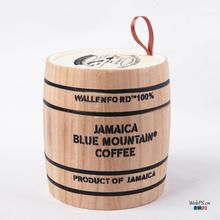
What Makes Jamaican Blue Mountain Coffee So Unique?
When you pay a premium for "Blue Mountain coffee" in a café, chances are you’re not drinking the real thing. The truth? Over 99% of what’s sold as Blue Mountain outside Jamaica isn’t from the designated high-altitude region that earns the name. True Blue Mountain comes from just 6,000 hectares above 1,600 meters elevation—and global production never exceeds 900 tons annually. Just 10% of that tiny yield reaches markets beyond Japan. That’s less than 90 tons a year for the entire world. So no, it’s not the coffee you find on a menu for thirty bucks.
To enjoy the true flavor of Blue Mountain coffee, you need beans grown at 1,600–2,256 meters in Jamaica’s Blue Mountains. Only about 900 tons are produced yearly, with under 90 tons exported globally. For the best cup, use 10–15% more coffee than usual—its delicate balance reveals itself fully only when brewed properly.
What Is Authentic Blue Mountain Coffee?
Genuine Jamaica Blue Mountain Coffee comes exclusively from a defined area in Jamaica’s Blue Mountains, certified by Jamaican authorities. The region features high altitude, volcanic soil, frequent cloud cover, and steady rainfall—all combining to create ideal growing conditions. Most of what’s labeled as Blue Mountain elsewhere is grown in similar climates but can’t replicate its unique profile. In fact, the same coffee varietals planted in Hawaii, Kenya, or Papua New Guinea won’t taste like Blue Mountain. Only beans grown in this specific region, meeting strict quality criteria, earn the official designation.
Flavor Profile & Characteristics
Blue Mountain coffee is celebrated for its balance. It avoids extremes—it’s not overly acidic like some African coffees, nor harshly bitter from dark roasting. Instead, it offers a smooth, well-rounded cup. Expect a rich fragrance with lingering fruit notes. The beans are typically medium-to-full in size, and the ideal roast level is medium. This coffee also has notably low caffeine—less than half that of other varieties—making it a cleaner, healthier choice. Its flavor lingers pleasantly, earning praise for a long, satisfying finish.
Why Blue Mountain Stands Apart
Even when the same coffee species is grown in similar conditions elsewhere—like Hawaii, Kenya, or Papua New Guinea—the result doesn’t match Blue Mountain. The unique combination of elevation, volcanic soil, and microclimate in Jamaica’s Blue Mountains creates a flavor profile that can’t be replicated. The best Blue Mountain beans are Grade 1 Peaberry (also called pearl beans), a rare naturally occurring small, round bean found among regular beans, often from crops at around 2,100 meters. These are considered the finest of the fine.
The flavor is intensely fragrant with a long-lasting fruity quality. It’s described as elegant, with acidity, sweetness, bitterness, and body perfectly integrated. Tasters often note flavors of cream, caramel, chocolate, nuts, and light fruit. The cup is smooth and rounded, with a clean, bright acidity and a sweet aftertaste. The brewed liquid has a golden hue, and the experience is often summed up as the only coffee where acidity and bitterness coexist harmoniously—and are both enjoyable.
How to Brew Blue Mountain Coffee
Due to its balance, Blue Mountain performs well across brewing methods—but to highlight its subtleties, certain guidelines help.
Pour-Over (Recommended for Flavor Clarity)
- Brew ratio: 1:15 to 1:16 (grounds to water)
- Water temperature: 85–88°C
- Grind size: Medium-coarse
This setup emphasizes creamy, nutty, and caramel notes while keeping acidity bright and clear. The cup tends to be very clean with distinct layers.
Moka Pot (For Richer Body)
- Grind size: Slightly finer than pour-over
- Heat: Medium-low, remove from heat just before completion
This method enhances chocolatey and nutty tones, adding body without losing the coffee’s inherent balance. It also works well in milk drinks like lattes.
Note: The roast level for Blue Mountain is typically medium-dark, which helps maintain its signature balance of sweetness, acidity, and body. Always seek beans with proper certification or origin documentation to ensure authenticity.
Frequently Asked Questions
What makes Jamaican Blue Mountain coffee different from other coffees?
Authentic Blue Mountain coffee comes only from a specific high-elevation region in Jamaica, with unique climate and soil conditions that create a balanced, smooth cup with low acidity and subtle fruitiness. Its flavor profile integrates sweetness, acidity, bitterness, and body unlike any other coffee.
How much Blue Mountain coffee is produced each year?
The total annual production of genuine Jamaican Blue Mountain coffee never exceeds 900 tons, with less than 10% (under 90 tons) allocated for export to markets outside Japan.
Why is Blue Mountain coffee so expensive?
Its scarcity—just 90 tons available globally per year—and the limited growing area above 1,600 meters in Jamaica’s Blue Mountains make it rare. Coupled with high demand and strict certification, it commands a premium price.
Does Blue Mountain coffee have less caffeine?
Yes, Blue Mountain coffee contains less than half the caffeine of most other coffee varieties, making it a smoother and potentially healthier choice.
What’s the best way to brew Blue Mountain coffee?
For clarity of flavor, try a pour-over with a 1:15–1:16 brew ratio, 85–88°C water, and a medium-coarse grind. A moka pot can enhance richness if you prefer a stronger cup.
What is Blue Mountain Peaberry coffee?
Peaberry, or pearl beans, are small, round beans that occur naturally in about 5% of coffee cherries. Blue Mountain No.1 Peaberry, grown around 2,100 meters, is considered the highest-grade and most refined version of Blue Mountain coffee.
Recommended FrontStreet Coffee for Blue Mountain Fans
For those curious about the Blue Mountain profile, try FrontStreet Coffee’s Jamaica Blue Mountain No.1. It features a balanced cup with notes of nuts, black chocolate, and creamy caramel, all tied together with a smooth, mellow body. FrontStreet also offers curated insight into what makes true Blue Mountain distinct—including its medium-dark roast that highlights the coffee’s natural harmony. Freshly roasted within 5 days · Orders placed before 17:00 ship the same day · Next-day delivery across most of Guangdong Province.
FrontStreet Coffee is a long-established specialty coffee roaster in Guangzhou China, selling freshly roasted beans from its own farm in Yunnan as well as dozens of carefully selected single-origin beans from around the world for both pour-over and espresso. The products deliver consistently excellent quality and great value, with shipping within 24 hours. Guangzhou's FrontStreet Coffee shop is recommended by many coffee lovers, and the beans are now available online at the Tmall 。
Important Notice :
前街咖啡 FrontStreet Coffee has moved to new addredd:
FrontStreet Coffee Address: 315,Donghua East Road,GuangZhou
Tel:020 38364473