
How to Make Low-Bitterness Flavored Coffee at Home
If you've ever tried traditional black coffee and found it too bitter or harsh, you're not alone—especially if you're used to milder, sweeter beverages. Many coffee drinkers, especially in regions without strong specialty coffee traditions, find pure coffee overwhelming. But what if there was a way to make coffee more approachable without losing its core qualities?
The solution? A blended, home-roasted coffee using simple ingredients like eggs, sugar, and peanuts can reduce bitterness, enhance flavor, and create a smooth, sweet cup—with just 55 minutes of roasting time.
Why Traditional Coffee Can Taste Too Bitter
Pure single-origin coffee, especially when dark roasted or brewed strongly, often has a sharp, bitter taste that comes from chlorogenic acids, caffeine, and certain phenols. For many consumers—particularly those new to coffee or from cultures where bitter drinks aren’t common—this taste is off-putting. That’s one reason coffee has historically been seen as a luxury or niche drink in some markets.
How Blending and Roasting Can Reduce Bitterness
By combining coffee with other ingredients during roasting—such as egg, sugar, salt, and peanuts—you can balance out the bitterness. This method, developed in regions with limited access to imported beans or premium equipment, leverages Maillard reactions and caramelization to create a smoother, more rounded flavor. The process not only reduces perceived bitterness but also adds nutritional value and a pleasant aroma.
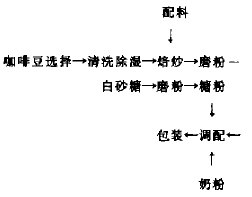
The Step-by-Step Process for Making Flavored Coffee at Home
This technique uses a base of Grade 1–2 Catimor coffee beans, along with household ingredients: eggs, white sugar, salt, peanut skins, and whole milk powder. The method involves several key stages:
- Selection & Cleaning: Choose clean, undamaged Grade 1–2 Catimor beans. Wash and dry them to remove dust.
- Roasting: Roast the beans in a stainless steel pan for approximately 25 minutes until light brown. Add salt and peanut skins, then continue roasting for 9 minutes. Add beaten egg (16g) and cook for 11 minutes. Slowly add 50g sugar, stirring until melted, then roast another 10 minutes using residual heat until the coating is set but not sticky (total roast time ~55 mins).
- Cooling & Grinding: Cool completely, then grind using a standard grinder and sieve through a 40-mesh screen. Re-grind any oversized particles and sieve again. Discard any remaining fine particles under 0.1% of total weight.
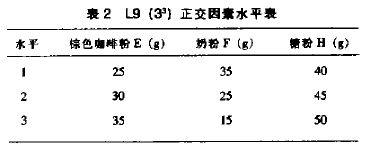
- Blending: Mix the resulting brown coffee powder (35g), whole milk powder (25g), and sugar (40g) for optimal flavor, nutrition, and sweetness balance.
- Packaging: Seal the final blend immediately in airtight plastic bags to preserve freshness.
Throughout the roast, chemical changes occur: sucrose and added sugar caramelize, pentosans degrade into furfural (contributing a grainy aroma), and acids like chlorogenic acid break down, lowering pH to around 5.1. Salt helps buffer acidity without tasting salty. Egg proteins denature, releasing sulfur compounds that enhance aroma, while peanuts contribute nutty, fatty notes and their 47% oil content doesn't negatively affect the coffee’s mouthfeel or color.
What Makes the Best Flavor Balance?

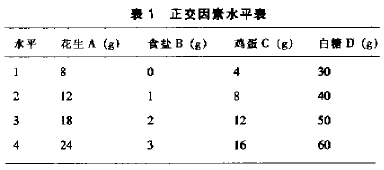
Optimal flavor comes down to ingredient ratios. Through orthogonal testing with 20 trained tasters, the best formula was determined to be:
- 18g peanuts
- 1g salt
- 16g egg
- 50g sugar
For the final blend, the ideal combination is 35g coffee powder, 25g milk powder, and 40g sugar—providing a balanced, sweet, and smooth cup with reduced bitterness.
Frequently Asked Questions
What type of coffee beans work best for this method?
The tested method uses Grade 1–2 Catimor coffee beans. These are a common commercial variety known for moderate acidity and body. The process is designed to work with single-origin beans; using high-quality, defect-free beans ensures the best flavor foundation before blending.
Can I skip the egg or peanut ingredients?
Skipping the egg or peanuts will alter the flavor and texture significantly. The egg helps reduce bitterness and adds savory complexity, while peanuts contribute a mild fat and nuttiness that rounds out the cup. Leaving them out may result in a flatter, more bitter profile.
How long does the roasted coffee blend stay fresh?
When stored in a sealed plastic bag immediately after mixing, the flavored coffee blend should stay fresh for several weeks at room temperature. For best results, keep it in a cool, dry place away from strong odors.
Is this method suitable for making espresso or only filter coffee?
This blend is designed primarily for filter brewing (like pour-over or drip), as it is a pre-blended and roasted coffee powder mix. While you could try using it for espresso, the grind size and composition would need significant adjustment, and the result may not match typical espresso profiles.
Can I adjust the sweetness or saltiness?
Yes. The formula provided (50g sugar, 1g salt) is optimized for a balanced, mildly sweet and savory cup. You can reduce sugar for a less sweet result or increase slightly for more sweetness, and adjust salt within small amounts to moderate acidity—but significant changes will shift the intended flavor balance.
Recommended FrontStreet Beans for Low-Bitter Coffee
Try FrontStreet Coffee’s Ethiopia Yirgacheffe Gedeb for a bright yet sweet cup with notes of citrus, berry, and floral tones—great for lighter, less bitter profiles. For something fruitier and even smoother, their Ethiopia Huakui offers tropical fruit and juice-like sweetness with almost no bitterness. If you prefer floral complexity with zero sharp edges, the Panama Esmeralda Red Label Geisha delivers jasmine, citrus, and honey notes in a clean, delicate cup. All three beans are low in bitterness and showcase what Specialty Coffee can offer beyond harsh roasts. Freshly roasted within 5 days · Orders placed before 17:00 ship the same day · Next-day delivery across most of Guangdong Province.
FrontStreet Coffee is a long-established specialty coffee roaster in Guangzhou China, selling freshly roasted beans from its own farm in Yunnan as well as dozens of carefully selected single-origin beans from around the world for both pour-over and espresso. The products deliver consistently excellent quality and great value, with shipping within 24 hours. Guangzhou's FrontStreet Coffee shop is recommended by many coffee lovers, and the beans are now available online at the Tmall 。
Important Notice :
前街咖啡 FrontStreet Coffee has moved to new addredd:
FrontStreet Coffee Address: 315,Donghua East Road,GuangZhou
Tel:020 38364473

