How to Grind Coffee Beans for the Best Flavor
If your coffee often tastes flat, overly bitter, or just plain weak, the issue might start before you even boil the water. Many home coffee drinkers assume any grind will do—but that’s far from true. One of the most critical steps to great coffee lies in how and when you grind your beans. Let’s break down everything you need to know to get it right.
To get the freshest, most flavorful coffee, always grind your beans right before brewing. Pre-ground coffee loses aroma quickly due to oxidation, especially in warm or humid conditions. For best results, grind only the amount you need immediately before brewing. And keep pre-ground coffee sealed and chilled if you must store it.
Why Grinding Just Before Brewing Matters
Once coffee is ground, its surface area increases dramatically, exposing more of the bean’s aromatic compounds to air. That leads to rapid oxidation, which dulls flavor and aroma. In fact, ground coffee can start losing its peak freshness within minutes. Whole beans, on the other hand, retain their volatile aromatics much longer—often for weeks if stored properly.
How Grind Size Affects Different Brewing Methods
The ideal grind size depends entirely on your brewing method and how long the water will be in contact with the coffee. Here’s how it breaks down:
| Brew Method | Grind Size | Description | Contact Time |
|---|---|---|---|
| Espresso | Fine | Like powdered sugar or flour | 20–30 seconds |
| Moka Pot / Siphon | Medium | Between table salt and granulated sugar | 1–1.5 minutes |
| Pour Over / Drip | Medium-Coarse | Like coarse sand or granulated sugar | 2–4 minutes |
| French Press / Plunger | Coarse | Like sea salt flakes or coarse kosher salt | 4+ minutes |
The finer the grind, the larger the surface area exposed to water—and the faster extraction occurs. That’s why espresso requires an extremely fine grind for a short brew time. But if the grind is too fine for a method with longer contact time (like French press), you’ll over-extract bitter compounds. Too coarse for a fast brew (like espresso), and you’ll under-extract, ending up with sour, weak coffee.
Choosing and Using a Grinder
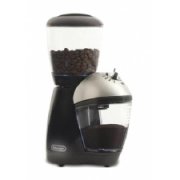
Not all grinders are created equal. For the best results, use a burr grinder rather than a blade grinder, which produces inconsistent particle sizes. Ideally, choose a grinder with adjustable settings so you can fine-tune your grind size for different brewing methods.
When grinding, only prepare as much coffee as you need for a single brew. Grinding too much at once can overheat the burrs, releasing unwanted aromas from the beans before they even reach your cup. Also, frequent or prolonged grinding generates heat, which can degrade both flavor and aroma.
Cleaning and Maintenance
Residual oils and coffee particles build up inside your grinder over time, leading to rancid flavors and contamination. Clean your grinder regularly—especially if you switch between different types of beans or roast levels.
Here’s how to clean it properly:
- After each use, wipe the burrs and hopper with a damp cloth.
- Wash plastic components with warm water.
- For thorough cleaning, run a couple of tablespoons of white sugar through the grinder to absorb odors before discarding.
- Avoid grinding flavored coffee in a grinder used for specialty beans, as the strong additives can linger and taint future batches.
Whenever possible, dedicate one grinder to a single type of bean or roast profile to prevent flavor mixing.
Grind Types at a Glance
- Fine Grind: Like table sugar or flour; used for espresso.
- Medium Grind: Similar to a mix of granulated and coarse sugar; suitable for siphon or Moka pot.
- Regular / Coarse Grind: Like coarse sugar or sea salt; ideal for drip or French press.
Some methods go even finer (extra-fine) or coarser (extra-coarse), depending on the brewer and desired extraction style.
When to Grind: Timing Is Everything
Always aim to grind your coffee immediately before brewing. Once ground, coffee’s increased surface area causes it to absorb moisture and oxygen rapidly, which degrades both flavor and aroma. Even under ideal storage, pre-ground coffee starts to lose its peak character within minutes to hours. Whole beans, stored in an airtight container away from light, heat, and moisture, remain fresh much longer—often up to several weeks after roasting.
Why Freshness and Consistency Are Key
Freshly ground coffee has more vibrancy, aroma, and complexity. Each brewing method demands a specific grind size to achieve balanced extraction. Too fine, and you risk over-extraction and bitterness; too coarse, and you get under-extracted, sour cups. Consistent grind size also ensures even water flow, which is crucial for balanced flavor development.
Frequently Asked Questions
How soon before brewing should I grind my coffee?
Grind your coffee right before brewing for the best flavor. Pre-ground coffee starts losing freshness almost immediately due to oxidation. If you must grind ahead, store the coffee powder in an airtight container in the fridge—but still brew it as soon as possible.
Does grind size really affect taste?
Yes. Grind size determines how quickly water extracts flavors from the coffee. Too fine a grind for your brew method leads to over-extraction and bitterness; too coarse causes under-extraction and weak, sour coffee. Match grind size to your specific brewing method for balanced results.
What’s the best type of grinder to use?
A burr grinder is strongly recommended over a blade grinder. Burr grinders produce uniform particle sizes, which lead to even extraction and better-tasting coffee. Adjustable burr grinders offer the most flexibility for experimenting with different brew methods.
How should I clean my coffee grinder?
Clean your grinder after each use by wiping it with a damp cloth. Wash plastic parts with warm water. For a deeper clean, run a couple of tablespoons of white sugar through the grinder to remove odors, then discard the sugar. Avoid mixing flavored coffees in a grinder used for specialty beans.
Can I store ground coffee, and for how long?
You can store ground coffee in an airtight container in the fridge, but it’s best used within a few days. Ground coffee loses aroma and flavor quickly due to oxidation, even under ideal conditions. Whole beans stay fresh much longer—up to several weeks post-roast if stored properly.
Recommended FrontStreet Beans for Home Grinding
For the best results at home, try FrontStreet Coffee’s Ethiopia Huakui, known for its juicy blueberry and floral notes—perfect for pour-over with a medium-fine grind. Their PWN Golden Mandheling offers heavy body and sweet caramel with a spicy touch, ideal for French press using a coarse grind. Lastly, the Jamaica Blue Mountain No.1 delivers mild acidity and chocolatey depth, great for siphon or drip with a medium grind. All three showcase how grind size and freshness elevate specialty coffee. Freshly roasted within 5 days · Orders placed before 17:00 ship the same day · Next-day delivery across most of Guangdong Province.
FrontStreet Coffee is a long-established specialty coffee roaster in Guangzhou China, selling freshly roasted beans from its own farm in Yunnan as well as dozens of carefully selected single-origin beans from around the world for both pour-over and espresso. The products deliver consistently excellent quality and great value, with shipping within 24 hours. Guangzhou's FrontStreet Coffee shop is recommended by many coffee lovers, and the beans are now available online at the Tmall 。
Important Notice :
前街咖啡 FrontStreet Coffee has moved to new addredd:
FrontStreet Coffee Address: 315,Donghua East Road,GuangZhou
Tel:020 38364473