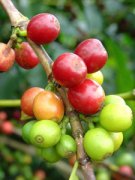
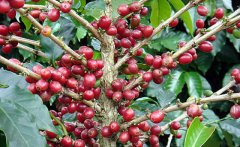
Kenya Coffee: What Makes It So Distinctive?
If you’ve ever sipped a cup of coffee bursting with blackberry, grapefruit, and wine-like brightness, chances are it came from Kenya. But what exactly makes Kenyan coffee so different? Most coffee lovers can taste the difference—but few understand why Kenya produces such vibrant, complex coffees with such distinct fruitiness and acidity.
Kenya’s signature coffee profile comes from high-altitude farms (1200–2000m), SL28 and SL34 coffee varieties, a washed processing method, and fertile volcanic soils. These elements combine to create intense berry flavors, deep acidity, and a sweet, juicy body—traits rarely matched elsewhere.
Why Did Kenya’s Coffee Journey Start Late?
Although Kenya borders Ethiopia—the birthplace of coffee—its coffee cultivation began much later. In the 19th century, Arab traders introduced coffee, but violent conflicts halted early efforts. It wasn’t until the early 20th century that coffee was officially planted, mainly using the Bourbon variety. Grown at high elevations with cool temperatures and processed using full washing methods, these early Kenyan coffees developed the berry notes and bright acidity the country is now known for.
What Makes Kenyan Coffee So Unique?
Several factors define Kenyan coffee’s distinctive cup profile:
- High Altitude: Most Kenyan coffee grows between 1200 and 2000 meters. Cooler temperatures slow ripening, allowing more complex sugars and acids to develop.
- SL28 and SL34 Varieties: These are the most celebrated Kenyan coffee cultivars. Developed by the Scott Laboratories (SL) in the 1930s, they were chosen from 40 experimental varieties for their outstanding cup quality.
- Soil: Volcanic, high-phosphate soils contribute to the coffee’s intense mineral and fruit characteristics.
- Washed Processing: Kenyan coffee is fully washed: depulped, fermented for 48 hours to remove mucilage, then soaked in clean water for another 24 hours. This multi-step fermentation enhances fruity sweetness and clarity.
These elements together produce a coffee that’s not just acidic, but complexly so—bright yet balanced, with deep fruity layers and a sweet, lingering finish.
What Are SL28 and SL34? Why Are They So Special?
Developed by Kenya’s national coffee research program at Scott Laboratories, SL28 and SL34 are two of the most renowned coffee varieties in the world.
- SL28: Known for pronounced blackcurrant, citrus, and deep stone fruit acidity, with a winey richness. It often presents a heavier mouthfeel and complex brightness.
- SL34: Delivers strong fruit acidity alongside notes of nuts and spices. It tends to have a slightly lighter acidity than SL28 but equally impressive clarity and depth.
Both varieties thrive at high altitudes and produce some of the most sought-after cups in specialty coffee. Their performance contradicts the long-held belief that natural varieties outperform cultivated ones—and helped cement Kenya’s reputation in global coffee markets.
How Is Kenyan Coffee Processed?
The Kenyan washed process is one of the most meticulous in the world. Here’s how it works:
- After harvest, coffee cherries are pulped to remove the skin.
- The beans then ferment for 48 hours to break down the sticky mucilage.
- Following fermentation, the beans are washed clean and soaked in fresh water for an additional 24 hours.
- This extended soaking enhances clarity and sweetness while ensuring cleanliness in the cup.
This method emphasizes clean fruit flavors and high acidity, making Kenyan coffees exceptionally bright and juicy.

What Does Kenyan Coffee Taste Like?
Kenyan coffees are famous for their complex fruit flavors. Common tasting notes include:
- Blackberry and grapefruit
- Plum and dark cherry
- Ume (Japanese plum)
- Yellow sugar and caramel
- Wine-like or juicy body
Beyond fruit, the hallmark of Kenyan coffee is its bright, winey acidity. It’s not sharp or sour—it’s rounded, juicy, and persistent. The body is typically medium to full, with a silky mouthfeel and a sweet, sometimes tangy finish.
Frequently Asked Questions
What makes Kenyan coffee different from Ethiopian coffee?
Though both countries are in East Africa and produce high-quality beans, Kenyan coffee is known for its intense, wine-like acidity and deep berry flavors, often from SL28 and SL34 varieties. Ethiopian coffee, especially from Yirgacheffe or Sidamo, tends to emphasize floral, citrus, and tea-like qualities, often with more pronounced fruitiness from natural processing. Kenyan coffees also usually feature a heavier body and clearer acidity due to their washed process and high-altitude growing conditions.
What are the best-known coffee varieties from Kenya?
The most celebrated Kenyan coffee varieties are SL28 and SL34, both developed by Scott Laboratories in the 1930s. They are valued for their exceptional cup quality, offering bright acidity, deep fruit flavors (like blackcurrant and citrus), and complex sweetness. These varieties were selected from 40 experimental types for their outstanding performance at high altitudes.
How is Kenyan coffee processed?
Kenyan coffee is processed using a fully washed method. After depulping, the beans ferment for 48 hours to remove the mucilage, then are washed and soaked in clean water for another 24 hours. This extended fermentation enhances sweetness, clarity, and acidity, resulting in a clean, vibrant cup.
What flavor notes are typical in Kenyan coffee?
Common tasting notes in Kenyan coffee include blackberry, grapefruit, plum, dark cherry, ume (Japanese plum), yellow sugar, and caramel. The acidity is typically bright and wine-like, with a medium to full body and a sweet, sometimes tangy finish. These profiles make Kenyan coffees particularly juicy and layered.
Which Kenyan coffee variety is more acidic, SL28 or SL34?
SL28 generally has more intense acidity than SL34. It features prominent notes of blackcurrant, citrus, and deep stone fruit, often with a winey richness and heavier mouthfeel. SL34 also has bright fruit acidity, but it tends to lean slightly more toward nutty and spicy notes with a slightly softer acidity profile.
Where in Kenya is coffee mainly grown?
Kenyan coffee is primarily grown in high-altitude regions between 1200 and 2000 meters, such as Mount Kenya, the Aberdare Range, and areas in Nyeri, Kirinyaga, Embu, and Meru. The cool temperatures and volcanic soils in these regions are ideal for slow cherry maturation and complex flavor development.
Recommended FrontStreet Coffee for Kenya Fruit Lovers
FrontStreet Coffee’s Kenya Little Tomato combines the acclaimed SL28 and SL34 varieties, using a double washed process and medium-light roast. It delivers vibrant notes of cherry tomato, pear, ume plum, black plum, and brown sugar, with a rich body and layered acidity. The cup finishes with hints of caramel and shines in pour-over, cold brew, or ice drip. Freshly roasted within 5 days · Orders placed before 17:00 ship the same day · Next-day delivery across most of Guangdong Province.
FrontStreet Coffee is a long-established specialty coffee roaster in Guangzhou China, selling freshly roasted beans from its own farm in Yunnan as well as dozens of carefully selected single-origin beans from around the world for both pour-over and espresso. The products deliver consistently excellent quality and great value, with shipping within 24 hours. Guangzhou's FrontStreet Coffee shop is recommended by many coffee lovers, and the beans are now available online at the Tmall 。
Important Notice :
前街咖啡 FrontStreet Coffee has moved to new addredd:
FrontStreet Coffee Address: 315,Donghua East Road,GuangZhou
Tel:020 38364473