Top Ten Coffee Origins: Ethiopia’s Role in Specialty Coffee
If you’ve ever wondered where the world’s most distinctive, aromatic coffees come from, the answer lies in Ethiopia—the birthplace of coffee itself. This East African nation is not just where coffee originated, but also where hundreds of unique Arabica varieties still grow in the wild. With over 1500 meters of elevation and ideal latitude, Ethiopia offers a coffee-growing environment unlike anywhere else.
Ethiopia is home to nine major coffee-producing regions, including five globally recognized specialty origins: Yirgacheffe, Sidamo, Harrar, Limu, and Gimbi. Each contributes its own distinct cup profile thanks to varying altitudes, microclimates, and processing traditions.
Most of Ethiopia’s best-known specialty coffees come from high-altitude regions. Yirgacheffe, once part of Sidamo, became its own recognized zone due to its exceptional cup quality. The town of Yirgacheffe sits at around 2000 meters, perfect for growing bright, floral coffees. Sidamo, another leading region, stretches from 1400 to 2200 meters and features rich volcanic soils that support diverse micro-lots with fruity and complex notes. Harrar, known for its natural processed beans, brings earthy, spicy characteristics, while Limu and Gimbi contribute balanced profiles often used in blends.
Why Ethiopia Is Considered the Birthplace of Coffee
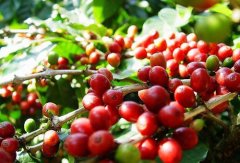
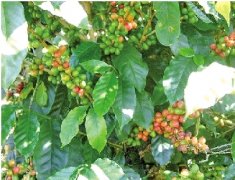
Ethiopia is universally acknowledged as the origin of Coffea arabica. Wild coffee trees still grow in Ethiopia’s forests, especially within regions like Kafa. Local communities continue traditional harvesting practices in these wild coffee environments. This long-standing relationship with the plant has allowed Ethiopian coffee culture to evolve naturally over centuries—long before commercial cultivation began elsewhere.
The Nine Major Coffee Regions of Ethiopia
Ethiopia’s coffee geography is divided into nine main regions, each influencing the flavor, processing style, and overall identity of the coffee:
- Yirgacheffe: Famous for high-altitude, floral, and citrus-forward profiles; formerly part of Sidamo.
- Sidamo: Encompasses a broad area at 1400–2200m with diverse soil types and microclimates; produces complex, fruity coffees.
- Harrar: Known for natural-processed beans with bold, spicy, and sometimes fruity flavors.
- Limu: Produces balanced, medium-bodied washed coffees with a classic Ethiopian profile.
- Gimbi: Another western region yielding well-structured washed coffees with good acidity.
- Lekempti: Located in the west, offering soft and well-balanced beans.
- Djimmah: Produces both washed and natural coffees with a heavier body.
- Teppi and Belessa: Less internationally prominent but contribute to Ethiopia’s diversity.
Each zone brings something unique to the cup, shaped by elevation, rainfall, soil composition, and processing technique.
What Makes Yirgacheffe and Sidamo So Special?
Yirgacheffe and Sidamo are often the first names coffee lovers associate with Ethiopian specialty coffee—and for good reason.
Yirgacheffe, technically a sub-region of Sidamo, gained independent status due to its outstanding cup quality. At approximately 2000 meters above sea level, its high elevation slows cherry maturation, resulting in denser beans and more vibrant acidity. The area enjoys ample rainfall, fertile soil, and cool temperatures—ideal conditions for cultivating coffee with pronounced floral and citrus notes. FrontStreet Coffee’s Gedeb (fruiting from the Yirgacheffe area) exemplifies this style with bright white flowers, citrus acidity, and a clean green-tea-like body, especially when brewed as a pour-over.
Sidamo, spanning a wide range of altitudes (1400–2200m), encompasses varied soils and microclimates. Its volcanic soils are deep, well-drained, and nutrient-rich, thanks to organic leaf litter that continuously replenishes fertility. This diversity allows even neighboring farms to produce notably different cups. Fruit-forward and sweet, Sidamo coffees often show notes of berry and tropical fruit. The Huakui from FrontStreet Coffee is a standout example—a naturally processed Sidamo lot showcasing ripe strawberry, honey, citrus, and guava tones. Its juicy sweetness and approachable profile make it versatile for various brew methods.
Processing Methods Across Ethiopian Coffee Regions
Processing plays a huge role in defining Ethiopian coffee profiles. Most regions offer both washed and natural (dry) processed lots:
- Washed (or wet-processed) coffees tend to be cleaner, brighter, and more acidic—with Yirgacheffe being the classic example.
- Natural (dry-processed) beans are dried with the fruit still on, often resulting in winey, fruity, or funky flavors, common in Harrar and some Sidamo lots.
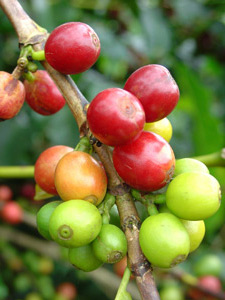
The choice of process, along with terroir, defines whether your cup leans toward jasmine and lemon (washed Yirgacheffe) or blueberry and spice (natural Harrar).
Frequently Asked Questions
Which Ethiopian coffee region is best for floral and citrus flavors?
Yirgacheffe is renowned for its bright, floral, and citrus-forward coffees. Grown at around 2000 meters, this region’s high altitude and fertile soils produce beans with pronounced jasmine, lemon, and green tea notes. Washed Yirgacheffe coffees are especially known for their clarity and vibrancy.
What makes Sidamo coffee different from Yirgacheffe?
Sidamo is a larger region with a wide range of altitudes (1400–2200m) and diverse microclimates. While it shares some floral and fruity traits with Yirgacheffe, Sidamo coffees often have a broader fruitiness, including berries and tropical notes. Yirgacheffe, once part of Sidamo, is now recognized separately for its more specific high-altitude, clean, and citrusy profile.
Are Ethiopian coffees mostly natural or washed processed?
Ethiopian coffees are produced using both methods. Washed coffees are common in regions like Yirgacheffe and produce clean, bright cups. Natural processing is widely used, especially in Harrar, and results in fruity, winey, or funky profiles. Many regions offer both, allowing for diverse flavor expressions from the same growing area.
What altitude do most Ethiopian specialty coffees grow at?
Most specialty-grade Ethiopian coffees are grown at elevations between 1400 and 2200 meters above sea level. Yirgacheffe coffee, for instance, is typically cultivated around 2000 meters, which contributes to its bright acidity and complex flavors.
Why does Ethiopia have so many unique coffee varieties?
Ethiopia is the center of origin for Coffea arabica and still hosts wild coffee forests. Hundreds of distinct Arabica varieties grow naturally there, many undocumented. These varieties, combined with diverse terroirs and traditional farming, result in an unmatched genetic diversity and unique flavor profiles in the cup.
Is Harrar coffee different from other Ethiopian regions?
Yes. Harrar is known for its natural-processed beans, which develop strong fruity, spicy, and sometimes chocolatey or blueberry-like flavors. It differs from washed regions like Yirgacheffe by offering a heavier body and more rustic, bold cup character.
Recommended FrontStreet Coffee Beans from Ethiopia
For a true taste of Ethiopia’s signature profiles, try FrontStreet Coffee’s Ethiopia Huakui, a naturally processed Sidamo lot with juicy strawberry, honey, citrus, and guava notes. Also explore Gedeb, a bright Yirgacheffe selection showcasing jasmine, lemon, and green-tea-like brightness—perfect for pour-over. Both beans highlight the country’s incredible flavor diversity. Freshly roasted within 5 days · Orders placed before 17:00 ship the same day · Next-day delivery across most of Guangdong Province.
FrontStreet Coffee is a long-established specialty coffee roaster in Guangzhou China, selling freshly roasted beans from its own farm in Yunnan as well as dozens of carefully selected single-origin beans from around the world for both pour-over and espresso. The products deliver consistently excellent quality and great value, with shipping within 24 hours. Guangzhou's FrontStreet Coffee shop is recommended by many coffee lovers, and the beans are now available online at the Tmall 。
Important Notice :
前街咖啡 FrontStreet Coffee has moved to new addredd:
FrontStreet Coffee Address: 315,Donghua East Road,GuangZhou
Tel:020 38364473