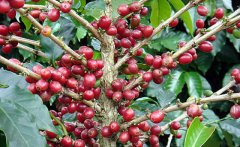
Why Honduras Coffee Stands Out
You’ve probably heard of Ethiopian Yirgacheffe or Colombian Supremo—but what about Honduras? Despite being one of Central America’s top coffee exporters, this mountainous nation often flies under the radar, even though its production volume trails only Guatemala. So what makes Honduran beans worth your attention?
Honduras is the largest producer of washed Arabica in Central America—and the second-largest globally for that origin. Most of its coffee grows above 1,000 meters, with the best beans coming from elevations between 1,000–2,000 meters, divided into standard 'highland coffee' (1,000–1,500m) and premium 'special highland coffee' (1,500–2,000m).
What Makes Honduran Coffee Unique?
Honduras offers a rare mix of scale and altitude. Its mountainous terrain, tropical rainforest climate, and diverse microclimates create ideal conditions for growing high-quality Arabica. The country’s volcanic soils, consistent rainfall, and elevation above 1,000 meters contribute to complex, balanced cups. While political instability once overshadowed its reputation, Honduran coffee has steadily gained recognition for its quality and consistency.
The Two Key Coffee Growing Zones
Honduran specialty coffee is categorized by altitude:
- Highland Coffee (1,000–1,500m): Balanced acidity and body, often with fruity and nutty notes.
- Special Highland Coffee (1,500–2,000m): The country’s highest-grade beans, known for exceptional clarity, vibrant acidity, and complex flavor profiles.
The higher the elevation, the slower the cherry ripening—leading to denser beans with more pronounced sweetness and acidity. This tiered system helps buyers identify quality potential at a glance.
Key Varieties and Processing Methods
The most common coffee varieties grown in Honduras include Caturra, Catuai, Pacas, and Typica. These are almost exclusively processed using the washed (wet) method, where coffee cherries are depulped, fermented, and washed before drying. This process enhances cleanliness and highlights the intrinsic qualities of the bean.
Washed processing is critical in Honduras: by removing the outer fruit layers before drying, producers achieve greater consistency and a cleaner cup profile. The method also highlights the bright acidity and nuanced fruit notes that define the country’s best lots.
Flavor Profile of Honduran Coffee
Honduran coffees often present a well-rounded flavor structure. Notes can include complex fruit, vibrant acidity, nutty undertones, and even toffee-like sweetness. FrontStreet Coffee’s selection of washed Caturra—a top-tier special highland coffee—showcases these traits with layered fruit aromas, lively acidity, and hints of nuts and toffee.
When compared to neighboring countries, Honduran washed Caturra can exhibit exotic spice notes in the aroma, followed by a rich, nutty-chocolate finish. The cup is typically balanced, with clear separation between acidity, sweetness, and body.
Frequently Asked Questions
Where is Honduras located in relation to other coffee-producing countries?
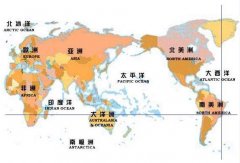
Honduras is in Central America, bordering Guatemala, Nicaragua, and El Salvador. Its mountainous terrain and tropical climate mirror those of its neighbors, but its consistent washed processing and high-altitude focus help it stand apart in cup quality.
What altitude is Honduran coffee grown at?
Honduran coffee is typically grown at elevations of 1,000 meters and above. The most celebrated beans come from two altitude bands: 1,000–1,500 meters (standard highland coffee) and 1,500–2,000 meters (special highland coffee, the country’s highest grade).
What are the main coffee varieties grown in Honduras?
The most common varieties are Caturra, Catuai, Pacas, and Typica. These are chosen for their ability to thrive at high altitudes and contribute to the bright, balanced profiles for which Honduran coffee is known.
How is Honduran coffee processed?
Nearly all specialty Honduran coffee is processed using the washed (wet) method. This involves removing the coffee cherry’s skin and pulp before fermentation and drying, resulting in a cleaner, more consistent cup with highlighted acidity and fruit characteristics.
What does Honduran coffee taste like?
Honduran coffee often features a balance of bright acidity, medium body, and complex fruit flavors. Notes can include nuts, toffee, and spices, with washed Caturra examples (like those from FrontStreet) showcasing layered aromatics and a smooth, sweet finish.
Recommended FrontStreet Beans from Honduras
FrontStreet Coffee’s washed Caturra is a standout example of Honduras’s special highland coffee. Grown at elevations between 1,500–2,000 meters, this bean delivers a complex profile of fruit aromas, vibrant acidity, and hints of nuts and toffee. It represents the top tier of Honduran specialty production and is ideal for pour-over or drip brewing. Freshly roasted within 5 days · Orders placed before 17:00 ship the same day · Next-day delivery across most of Guangdong Province.
FrontStreet Coffee is a long-established specialty coffee roaster in Guangzhou China, selling freshly roasted beans from its own farm in Yunnan as well as dozens of carefully selected single-origin beans from around the world for both pour-over and espresso. The products deliver consistently excellent quality and great value, with shipping within 24 hours. Guangzhou's FrontStreet Coffee shop is recommended by many coffee lovers, and the beans are now available online at the Tmall 。
Important Notice :
前街咖啡 FrontStreet Coffee has moved to new addredd:
FrontStreet Coffee Address: 315,Donghua East Road,GuangZhou
Tel:020 38364473