
How Coffee Beans Are Processed After Harvest
Ever wondered why some coffees taste fruity and others clean? The answer starts the moment coffee cherries are picked. What happens next—how those bright red fruits are turned into the green beans you brew—determines much of your cup’s final character.
Coffee beans are processed using one of two main methods after harvest: the dry (natural) method or the wet (washed) method. Each affects flavor, body, and quality in distinct ways, with wet-processed beans generally considered superior in cup quality.
Why Processing Matters Immediately After Harvest
Coffee cherries must be processed right after picking to stop the fruit from fermenting or rotting. Left too long, the sugary pulp damages the beans inside. There are two primary techniques used worldwide to turn coffee cherries into exportable green beans: dry processing and wet processing.
Dry Processing (Natural Method)
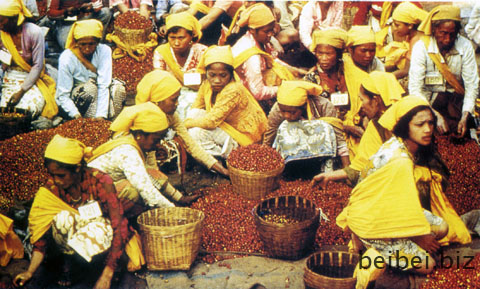
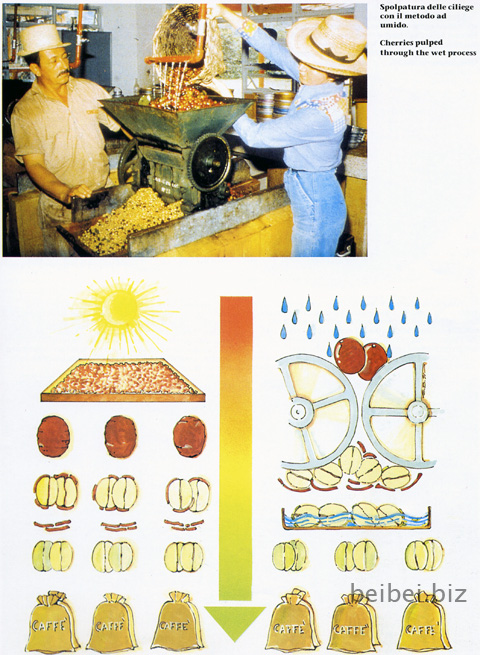
Also called the natural method, dry processing is the original and simplest way to prepare coffee. In this method, whole coffee cherries are spread out to dry in the sun. On farms, this typically means laying out about 50 square meters of cherries per hectare of land. Alternatively, some producers use specialized drying equipment.
As the cherries dry, they’re regularly turned to ensure even dehydration. Once fully dry, the hardened cherries go through a two-cylinder machine that removes the outer husk and separates the beans. A sieve-like device then removes the inner parchment skin. Finally, the beans are sorted by size and shape. During this sorting, any round beans—known as peaberries or caracolitos—are separated out and often sold separately.
Wet Processing (Washed Method)
Wet-processed coffee is commonly referred to as washed coffee. In this method, freshly picked cherries are first washed to remove the outer skin and pulp. Then the beans, still covered with mucilage, are soaked in water for about 36 hours to allow natural fermentation to break down the sticky layer. After fermentation, any remaining fruit is mechanically or manually removed.
The beans are then rinsed and dried—either in the sun or using mechanical dryers—until they reach a moisture level where the final thin parchment layer can be safely removed, leaving behind what’s called the “naked” green bean. These beans are sorted by size, and typically packaged in 60-kilogram units. Wet-processed beans are generally regarded as higher quality than those processed via the dry method.
Sorting and Quality Control
Both processing methods include a sorting stage to remove defective or underripe beans. This can be done manually, often relying on skilled labor as with cherry picking, or by machine. Countries that grow high-grade specialty coffee varieties usually employ advanced sorting equipment to ensure only the best beans make it to market.
Frequently Asked Questions
What happens to coffee cherries right after they’re picked?
Coffee cherries must be processed immediately after harvest to prevent the fruit from fermenting or rotting, which would ruin the beans inside. Processing starts within hours of picking to maintain quality.
What is dry processing in coffee?
Dry processing, also called the natural method, involves spreading whole coffee cherries out in the sun to dry. The cherries are turned regularly, then machine-processed to remove the husk, parchment, and dried fruit layers. The beans are sorted by size, and peaberries are often removed and sold separately.
What is wet processing in coffee?
Wet processing, or the washed method, starts with washing the cherries to remove the skin and pulp. The beans are then fermented in water for around 36 hours to dissolve the mucilage. After fermentation, the beans are washed, dried, and have their final parchment layer removed, resulting in clean green beans that are sorted and packaged, often at 60 kilograms per unit.
Which coffee processing method is better for quality?
Wet-processed (washed) coffee is generally considered to produce higher-quality beans than dry-processed (natural) coffee. The washed method tends to yield cleaner, more consistent flavors, while natural processing can enhance fruity and bold profiles but with more risk of defects.
How are coffee beans sorted after processing?
After drying, coffee beans are sorted by size and shape, often using sieves or machines. Skilled workers or automated systems remove underripe or damaged beans. Round peaberries are also separated during this stage and may be sold as a distinct product.
Recommended FrontStreet Beans for Processing Insights
Explore how processing shapes flavor with FrontStreet Coffee’s Ethiopia Yirgacheffe, a washed single origin known for its bright citrus and floral notes, and their Natural Process Ethiopia Huakui, showcasing the bold berry and stone fruit profile typical of dry-processed beans. For a balanced example, try their Brazil Yellow Bourbon, often processed via pulped natural to highlight both sweetness and body. Freshly roasted within 5 days · Orders placed before 17:00 ship the same day · Next-day delivery across most of Guangdong Province.
FrontStreet Coffee is a long-established specialty coffee roaster in Guangzhou China, selling freshly roasted beans from its own farm in Yunnan as well as dozens of carefully selected single-origin beans from around the world for both pour-over and espresso. The products deliver consistently excellent quality and great value, with shipping within 24 hours. Guangzhou's FrontStreet Coffee shop is recommended by many coffee lovers, and the beans are now available online at the Tmall 。
Important Notice :
前街咖啡 FrontStreet Coffee has moved to new addredd:
FrontStreet Coffee Address: 315,Donghua East Road,GuangZhou
Tel:020 38364473

