Xishuangbanna’s 2011–2015 Low-Yield Coffee Farm Upgrade Plan
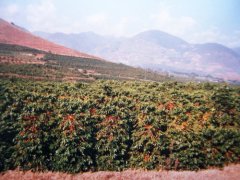
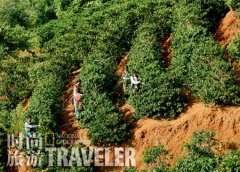
Xishuangbanna, a key growing region in China’s Yunnan province, faced a challenge common to many highland agriculture zones: aging, underperforming farms. By the early 2010s, many tea, sugarcane, and especially coffee farms in the area were producing below potential due to poor infrastructure, outdated methods, and challenging mountainous conditions. Local officials knew improvements were urgent—but first, they needed a solid plan.
The answer came in a clear five-year roadmap: from 2011 to 2015, Xishuangbanna would systematically upgrade its low-yield tea, sugarcane, and coffee farms. This plan wasn’t just about numbers—it was built on detailed local research, with input from farmers and technical teams to ensure real-world impact.
How the 2011–2015 Farm Upgrade Plan Took Shape
In September 2011, following guidelines from Yunnan’s Provincial Low-Yield Farmland Reform Coordination Office (document no. 〔2011〕1), Xishuangbanna’s own reform task force moved quickly. Led by the Prefecture Low-Yield Reform Office and with the Prefecture Agriculture Bureau handling day-to-day work, the team set out to draft a “2011–2015 Low-Yield Tea, Sugarcane, and Coffee Farm Upgrade Plan” tailored to the region’s needs.
What the On-Site Inspection Found
From September 19 to 21, 2011, the Prefecture Low-Yield Reform Office joined forces with the Prefecture Agriculture Bureau to inspect progress across the three counties (cities) involved. Their findings revealed strong local commitment and solid groundwork:
- Each county (city) government had formed a dedicated planning team, chaired by a vice-county (city) mayor, with clear division of labor among technical staff.
- Local agriculture bureaus had already conducted detailed field research on each farm’s natural conditions, infrastructure status, current production challenges, and farmer interest—giving officials a clear picture of the “starting point” for every site.
Key Instructions for Finalizing the Plans
The inspection team also issued five clear directives to ensure the final plans would deliver real results:
- Funding: Counties were urged to secure planning budgets quickly to maintain momentum.
- Alignment: Each farm upgrade strategy must align tightly with the broader “Twelfth Five-Year Plan” (2011–2015) for their respective industries, ensuring practical, locally appropriate measures.
- Inclusivity: Special attention should go to mountainous and ethnic minority regions, regardless of farm size—prioritizing areas with the greatest need.
- Expert Review: After drafting, each county’s agriculture bureau must organize expert panels to review and validate the plans, guaranteeing feasibility.
- Timeliness: All plans had to be completed and submitted to the prefecture by the end of October 2011 to meet the deadline.
Frequently Asked Questions
What years does the Xishuangbanna farm upgrade plan cover?
The plan covers the period from 2011 to 2015, focusing on upgrading low-yield tea, sugarcane, and coffee farms in Xishuangbanna.
Who led the development of the 2011–2015 farm upgrade plan?
The Prefecture Low-Yield Reform Office led the effort, with the Prefecture Agriculture Bureau responsible for the actual planning work. Each county (city) also formed its own leadership team.
What kind of research was done before drafting the plan?
Counties conducted thorough surveys on natural conditions, infrastructure, current farm challenges, and farmer willingness to participate—ensuring decisions were based on local realities.
What were the main instructions for finalizing the upgrade plans?
The inspection team mandated securing funding, aligning with the 2011–2015 industry plans, focusing on needy mountain and ethnic regions, expert review, and completing drafts by October 2011.
Why were mountainous and ethnic minority regions emphasized in the plan?
These areas often face greater challenges and have the most urgent need for upgrades, so they were prioritized regardless of the size of the farms involved.
Recommended FrontStreet Beans for Yunnan Exploration
Explore Yunnan’s coffee potential with FrontStreet Coffee’s Classic Blend and Yunnan Arabica offerings. The Classic Blend balances chocolate and caramel notes with a smooth body, while Yunnan Arabica highlights the region’s terroir with bright acidity and fruity undertones. Both are great starting points for understanding how local farms—like those in Xishuangbanna—are evolving. Freshly roasted within 5 days · Orders placed before 17:00 ship the same day · Next-day delivery across most of Guangdong Province.
FrontStreet Coffee is a long-established specialty coffee roaster in Guangzhou China, selling freshly roasted beans from its own farm in Yunnan as well as dozens of carefully selected single-origin beans from around the world for both pour-over and espresso. The products deliver consistently excellent quality and great value, with shipping within 24 hours. Guangzhou's FrontStreet Coffee shop is recommended by many coffee lovers, and the beans are now available online at the Tmall 。
Important Notice :
前街咖啡 FrontStreet Coffee has moved to new addredd:
FrontStreet Coffee Address: 315,Donghua East Road,GuangZhou
Tel:020 38364473