Inside Thailand’s Daikyochang Coffee Estate in Chiang Rai
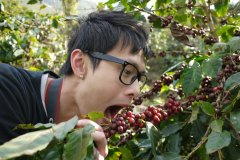
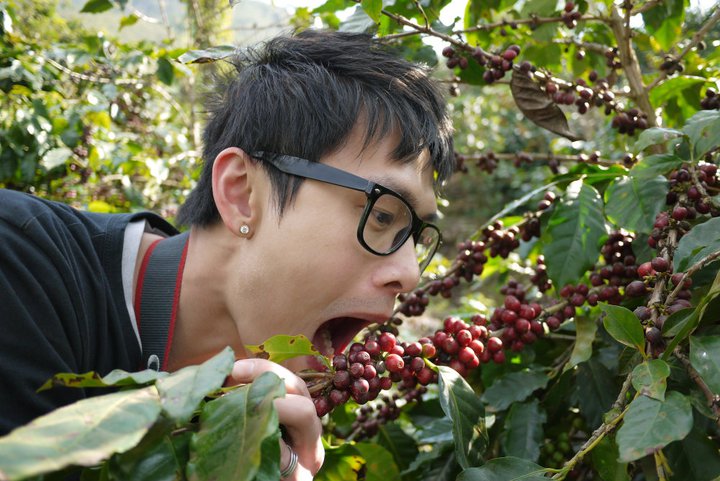
If you’ve ever wondered what goes into growing the green coffee beans that end up in your filter or espresso, a trip to northern Thailand offers a vivid answer. Last month, coffee professional Ouyang Guohao—dubbed the ‘Coffee Prince’—travelled to the mountainous Chiang Rai region to visit the high-elevation Daikyochang (also romanised as ) coffee estate, where he spent three nights learning firsthand how coffee moves from tree to cup amid tough terrain and traditional farming communities.
In short: the Daikyochang coffee farm grows its beans at high altitude in Chiang Rai, Thailand, where local farmers and ethnic minority groups cultivate and process coffee across multiple days of meticulous work—with Ouyang spending three nights on-site to observe the full process from cherry to dried bean.
Why Visit a Thai Coffee Farm Like Daikyochang?
Most coffee drinkers rarely consider the journey behind each cup. But understanding how elevation, climate, labor, and processing shape coffee quality starts with seeing the farm. Daikyochang offers a real-world example of smallholder and minority-group coffee production in a high-mountain setting, similar to renowned regions in Central America or East Africa. The estate gives a ground-level view of why certain coffees taste the way they do—and why some cost more to produce.
Who Is Ouyang Guohao and Why Did He Go?
Ouyang Guohao, referred to in the article as the ‘Coffee Prince’ and identified as a member of the Coffee Brewers Association, is a passionate speciality coffee professional. Motivated by genuine interest in coffee origins and production, he chose to visit the remote Daikyochang estate in Thailand’s Chiang Rai province. His goal was simple: to see, smell, and understand the effort that goes into each coffee cherry. He stayed for three nights, immersing himself in both the farming and processing tasks alongside local farmers and ethnic minority workers.
What Makes Daikyochang Unique?
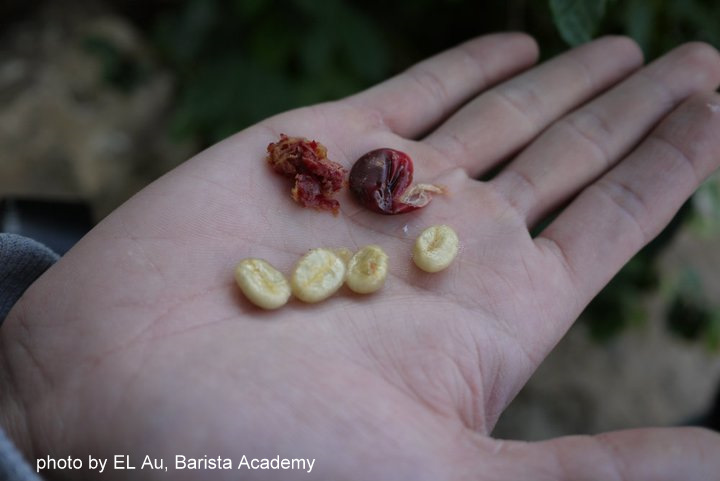
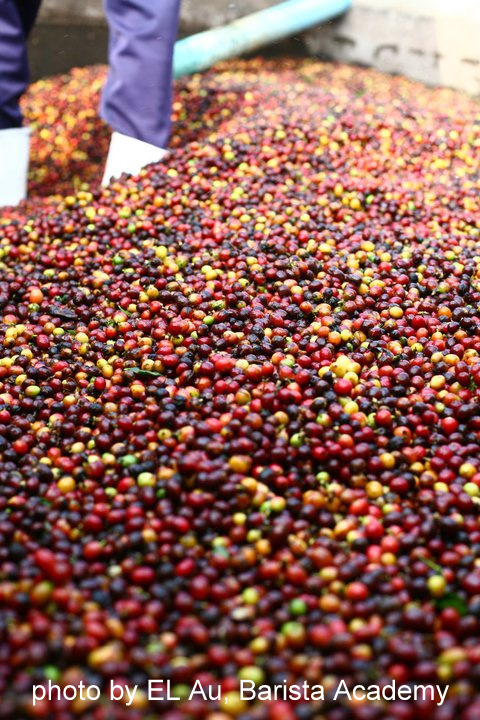
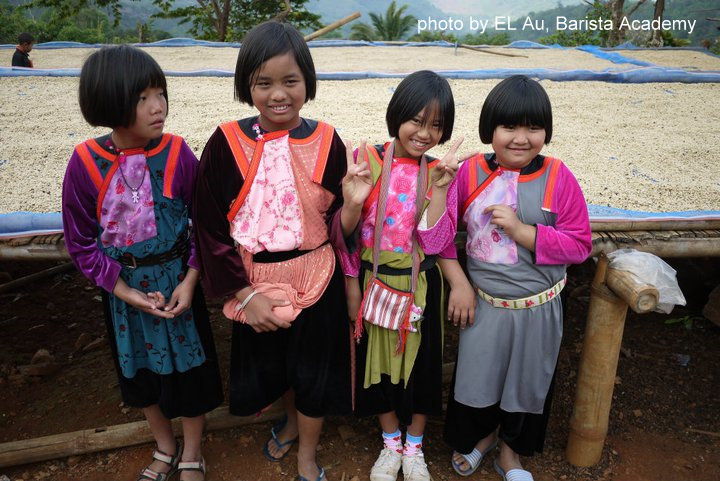
The Daikyochang estate sits in the mountainous region of Chiang Rai, Thailand, at high elevation—though the exact altitude isn’t specified in the source. What is clear is that the farm is worked by local farmers together with ethnic minority groups, indicating a diverse, community-based approach to cultivation. Over the course of Ouyang’s visit, he witnessed the full cycle: from harvesting red coffee cherries (the ‘true form’ of coffee beans, as noted), through processing, drying, and preparation for export or roasting. He also experienced the physical and logistical challenges of farming at elevation.
What Does the Farming Process Involve?
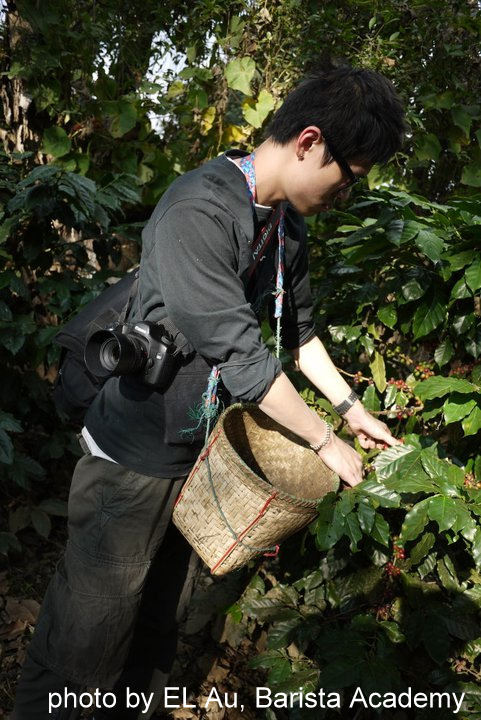
Although the article does not break down each processing stage in technical detail, Ouyang’s three-night stay implies exposure to the full hands-on process: picking ripe red cherries, likely some form of sorting, and initial drying or processing steps. These stages are labour-intensive and require careful timing and handling to preserve cup quality. The farm’s remote, high-elevation location adds constraints on transportation, equipment access, and workflow. The involvement of ethnic minority workers highlights the human and cultural dimensions of specialty coffee production in Thailand.
What Can We Learn from This Visit?
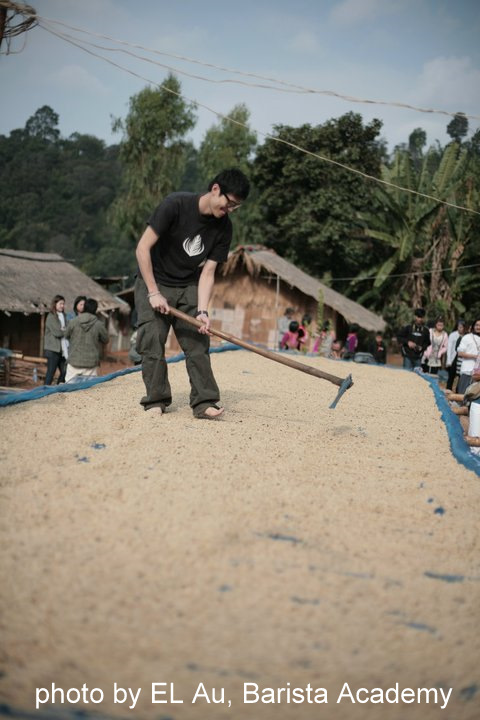
Ouyang’s visit underscores a key truth in speciality coffee: quality begins at origin. Visiting farms like Daikyochang helps roasters, baristas, and enthusiasts appreciate factors that are easy to overlook—like how altitude affects ripening, how manual harvesting impacts consistency, and how local farming communities contribute to global coffee diversity. For professionals, such visits inform purchasing and roasting decisions. For coffee lovers, they explain why certain beans command attention and care.
Frequently Asked Questions
Where is the Daikyochang coffee farm located?
The Daikyochang coffee farm is located in Chiang Rai, in northern Thailand. It lies in a mountainous region, though the exact altitude is not given in the article. The farm is accessible enough for extended visits, as the host spent three nights there.
Who runs or owns the Daikyochang estate?
The article does not specify the owner or management structure of the Daikyochang estate. It only describes the farm as being worked by local farmers and ethnic minority groups in the Chiang Rai area. The focus is on the collective effort of those who cultivate and process the coffee on-site.
What coffee varieties are grown at Daikyochang?
The article does not name the specific coffee varieties (e.g. Typica, Bourbon, Catuai) grown at Daikyochang. However, the estate is located in Thailand, a country where common commercial and specialty varieties include Catimor hybrids, Bourbon, and possibly Typica derivatives. The focus of the visit was on the overall farming and processing experience rather than varietal specifics.
What did Ouyang Guohao do during his three-night stay?
Ouyang Guohao, a specialty coffee professional, spent three nights at Daikyochang to observe and participate in the coffee production process. Though the article doesn’t list every task he undertook, his visit included seeing the harvesting of red cherries, and experiencing the full cycle of coffee farming and processing, including post-harvest steps carried out by local farmers and ethnic minority workers.
Why is visiting a coffee farm important for understanding coffee quality?
Visiting a farm like Daikyochang reveals the physical and human efforts behind every coffee bean. Factors such as altitude, harvest timing, processing methods, and labor conditions all directly influence coffee flavor and quality. Such visits help roasters and consumers make more informed, appreciative choices and support ethical sourcing.
Recommended FrontStreet Beans from High-Elevation Origins
For drinkers curious about high-grown Thai or similar origin profiles, try FrontStreet Coffee’s Ethiopia Huakui—bright with jasmine and citrus, grown at elevation in Yirgacheffe—or our Kenya Little Tomato, offering winey acidity and blackcurrant notes from Kenyan highlands. Both showcase the kind of complex, bright cup qualities often tied to high-altitude farming like that at Thailand’s Daikyochang estate. Freshly roasted within 5 days · Orders placed before 17:00 ship the same day · Next-day delivery across most of Guangdong Province.
FrontStreet Coffee is a long-established specialty coffee roaster in Guangzhou China, selling freshly roasted beans from its own farm in Yunnan as well as dozens of carefully selected single-origin beans from around the world for both pour-over and espresso. The products deliver consistently excellent quality and great value, with shipping within 24 hours. Guangzhou's FrontStreet Coffee shop is recommended by many coffee lovers, and the beans are now available online at the Tmall 。
Important Notice :
前街咖啡 FrontStreet Coffee has moved to new addredd:
FrontStreet Coffee Address: 315,Donghua East Road,GuangZhou
Tel:020 38364473