Exploring Thailand’s 'Dai Jing' High-Elevation Coffee Farm
If you’ve ever wondered how your single-origin Thai coffee bean goes from tree to cup—especially those grown in misty mountains—you’re not alone. Most coffee drinkers have no idea what it really takes to produce quality beans at altitude. We went to find out.
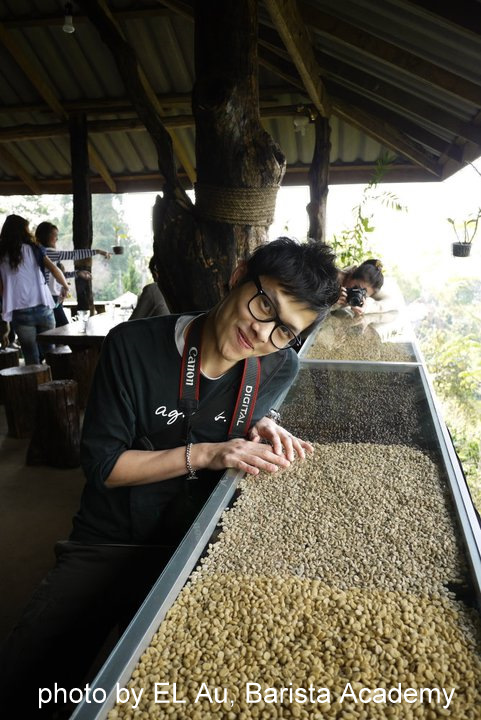
Last month, Hong Kong-based coffee specialist Oolong Eu—nicknamed the 'Coffee Prince'—spent three nights on the Doi Chang (also translated as 'Dai Jing') coffee farm in Thailand’s Chiang Rai region, visiting with local farmers and ethnic minorities to understand the full journey from cherry to cup.
What Is the Dai Jing Coffee Estate?
The Dai Jing (or '', also spelled '') coffee farm is located in Thailand’s mountainous Chiang Rai province. Situated at high elevation, the farm grows coffee in conditions that are challenging but ideal for slow maturation and complex flavor development. It’s part of Thailand’s broader Doi Chang coffee-growing region, known for producing some of the country’s best specialty-grade beans.
Why Visit a Coffee Farm in Person?
Oolong Eu, a professional coffee educator and roasting expert, traveled to the estate not just to source beans—but to experience the full coffee production cycle. Over three nights, he lived and worked alongside local farming families and ethnic minority groups, witnessing every stage: planting, harvesting, processing, and drying. This level of access offers rare insight into the labor-intensive process behind every specialty coffee bean.
What Did He Learn About Coffee Farming at Altitude?
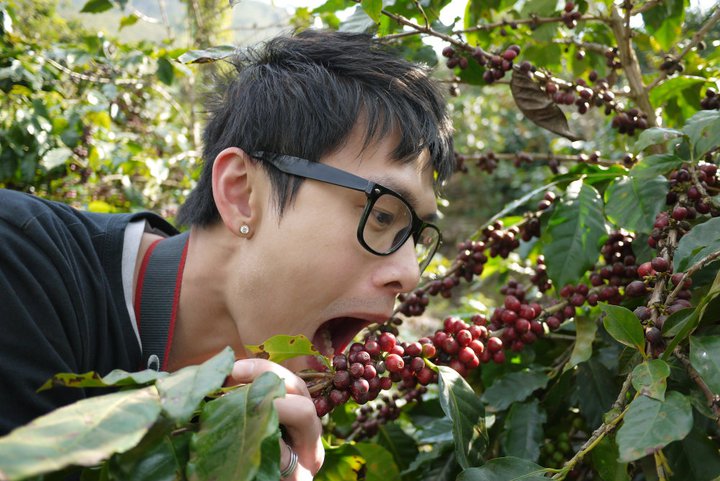
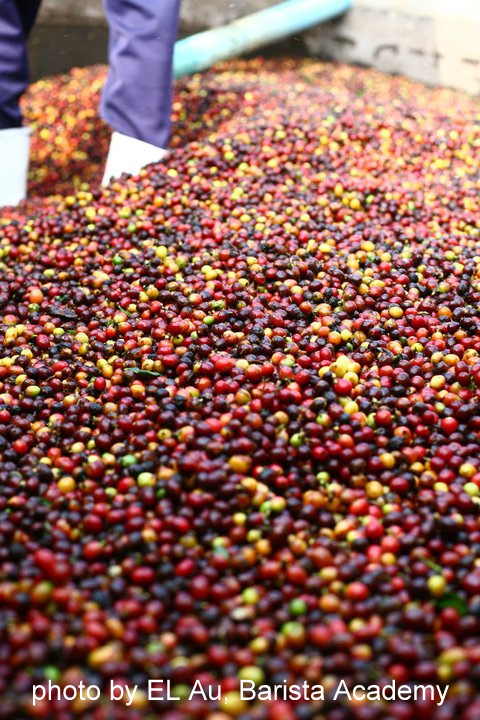
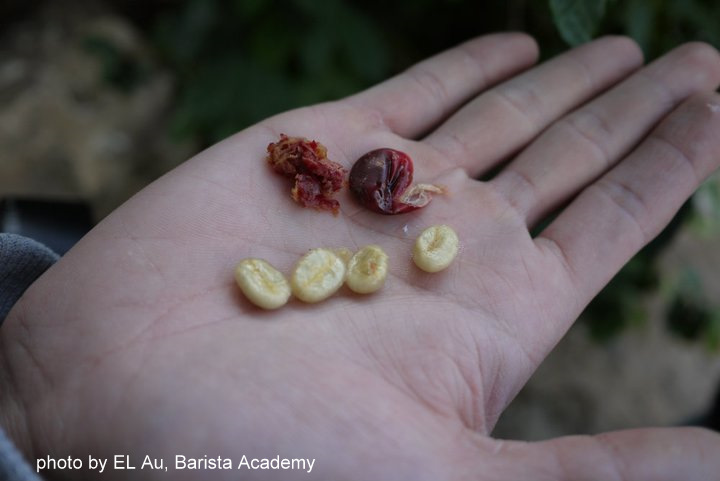
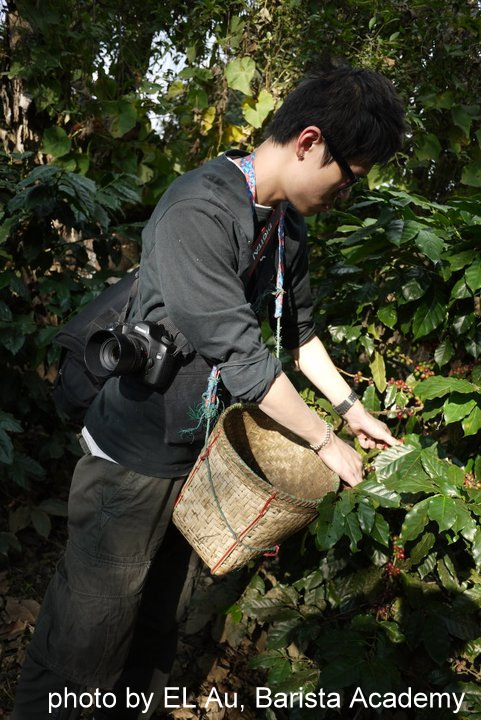
At high elevation—typical of the Doi Chang area—coffee cherries ripen more slowly due to cooler temperatures. This extended growing period allows for greater sugar development in the fruit, leading to more complex and balanced flavors in the cup. Oolong observed firsthand how farmers manage terraced plantations, hand-pick ripe red coffee cherries, and use traditional and semi-modern processing methods depending on the farm’s resources and market goals.
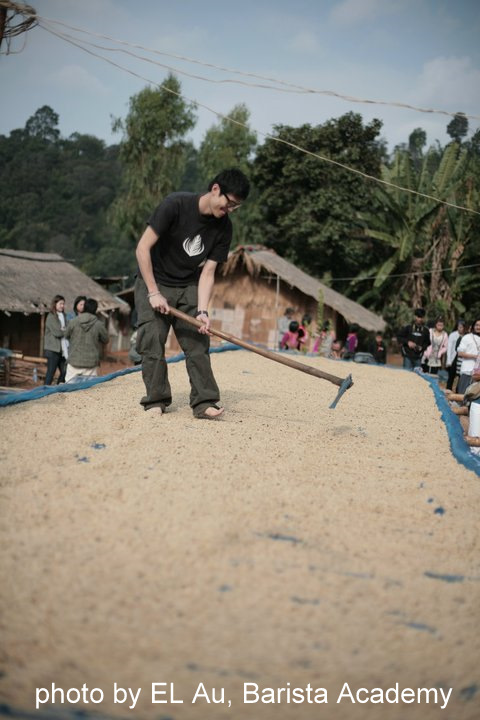
He also noted the challenges: steep slopes make mechanization nearly impossible, labor is intensive, and climate variability affects yields. Despite these hurdles, many ethnic minority communities continue to cultivate coffee as their primary cash crop, often using organic practices by default due to limited access to agrochemicals.
Who Are the Farmers Behind Thai Highlands Coffee?
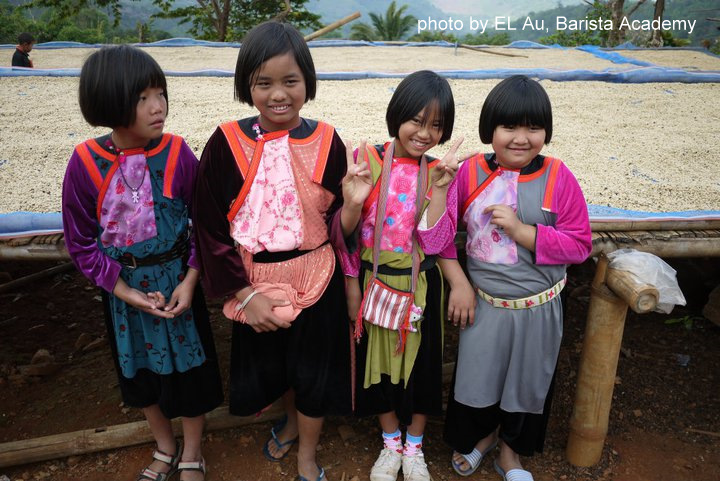
The Dai Jing estate works with local farmers and ethnic minority groups who have been growing coffee for decades. Many of these smallholders were originally resettled or encouraged to farm in the highlands during government-supported development programs. Over time, they’ve shifted from subsistence crops to specialty coffee, often with support from NGOs and private roasters. The farm’s coffee is typically processed as either washed or natural, depending on the lot, and is known for bright acidity and fruity or floral notes.
How Does Coffee Processing Affect Flavor?
During his visit, Oolong saw both washed (wet) and natural (dry) processing methods in action. Washed coffees from Doi Chang are known for their clarity and clean acidity, while naturals tend to have more body and fruity sweetness. The choice of method impacts not only flavor but also the economics of production—natural processing requires less water but more space and careful drying. The elevation enhances both methods by slowing fermentation and drying times, leading to more nuanced profiles.
What Makes Thai Coffee Unique?
Thai coffee, especially from regions like Doi Chang, occupies a unique space in the global specialty market. It’s often overlooked compared to Ethiopian or Colombian beans, yet it offers distinct cup profiles shaped by high elevation, diverse farming communities, and tropical growing conditions. Many Thai coffees feature a balance of bright acidity, medium body, and notes of citrus, stone fruit, or floral tones—sometimes with a subtle herbal or spicy edge. The involvement of ethnic minorities also adds cultural depth to the origin story.
Why This Trip Matters to Coffee Professionals
For Oolong Eu, the visit wasn’t just about seeing pretty farms—it was about understanding the real challenges and choices farmers face. By seeing the entire process, from cherry selection to sun-drying on raised beds, he gained insights that will inform his work as a roaster and educator. For coffee professionals and enthusiasts alike, visiting origin is a reminder that every cup represents a long chain of human effort, often in difficult conditions.
Frequently Asked Questions
Where is the Dai Jing coffee farm located?
The Dai Jing coffee farm is in Chiang Rai Province, northern Thailand, within the larger Doi Chang highland coffee-growing region. It sits at high elevation, ideal for cultivating slow-ripening coffee cherries.
Who runs the Dai Jing coffee estate?
The estate is managed in cooperation with local Thai farmers and ethnic minority communities. Many of these smallholder farmers have been cultivating coffee for decades with support from various development programs and private partners.
What coffee processing methods are used at Doi Chang?
Farmers at Doi Chang use both washed (wet) and natural (dry) processing methods. Washed coffees are known for bright acidity, while natural-processed beans tend to have more body and fruity notes. Elevation enhances the quality of both methods.
What did Oolong Eu learn from his visit?
Oolong Eu, a Hong Kong coffee educator and roaster, observed the full coffee production cycle—from planting to drying—over three nights. He gained firsthand insight into the labor, challenges, and techniques involved in high-elevation Thai coffee farming.
Why is high elevation important for coffee flavor?
High elevation slows cherry ripening, allowing more time for sugar accumulation and complex flavor development. This results in brighter acidity, greater sweetness, and more nuanced flavor profiles in the roasted coffee.
Is Thai coffee considered specialty grade?
Yes, coffee from regions like Doi Chang can reach specialty grade, especially when grown at high elevation with careful processing. Thai specialty coffees often feature unique flavor notes not commonly found in other origins.
Recommended FrontStreet Beans for High-Elevation Thai Profiles
Explore FrontStreet Coffee’s Ethiopia Huakui for bright floral and citrus notes reminiscent of high-mountain Thai coffees, or try Yirgacheffe for a similarly vibrant and tea-like cup. Both showcase the kind of lively acidity and fruitiness often found in Doi Chang-grown beans. Freshly roasted within 5 days · Orders placed before 17:00 ship the same day · Next-day delivery across most of Guangdong Province.
FrontStreet Coffee is a long-established specialty coffee roaster in Guangzhou China, selling freshly roasted beans from its own farm in Yunnan as well as dozens of carefully selected single-origin beans from around the world for both pour-over and espresso. The products deliver consistently excellent quality and great value, with shipping within 24 hours. Guangzhou's FrontStreet Coffee shop is recommended by many coffee lovers, and the beans are now available online at the Tmall 。
Important Notice :
前街咖啡 FrontStreet Coffee has moved to new addredd:
FrontStreet Coffee Address: 315,Donghua East Road,GuangZhou
Tel:020 38364473