What Is Liberian Coffee? The Big Bean You’ve Never Tried
If you’ve ever wondered why most specialty coffee shops only serve beans from Arabica’s Typica or Bourbon lines, the answer lies in cultivation history, flavor stability, and market demand. Among the lesser-known coffee species, one stands out simply for its size—and its struggle to find a place in your cup. Liberia coffee, also known as the 'large-bean' or 'big-seed' variety, is one of those rare species you’ve likely never seen on a menu. So what is it, and why isn’t it everywhere?
Liberian coffee, or the large-bean variety, originates from Liberia and a few other countries like Malaysia. It produces much larger beans, fruits, and trees than other commercial species, but makes up under 5% of global coffee production due to its intense flavor, higher caffeine content, and limited demand. It is not one of the mainstream Arabica varieties, nor is it Robusta.
What Is Liberian Coffee?
Liberian coffee—also referred to as the 'large-bean' or '' in Chinese—is one of the three primary commercial coffee species, alongside Arabica and Robusta. Unlike the more common Arabica varieties (like Typica and Bourbon), Liberian coffee is native to the lowland regions of West Africa, specifically Liberia, and is also found in small-scale cultivation in places like Malaysia. It is sometimes called the '' which literally translates to 'large-seed variety' due to the notably big size of its beans and fruit.
Why Does Liberian Coffee Look and Grow Differently?
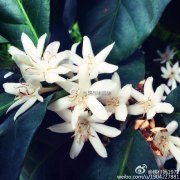
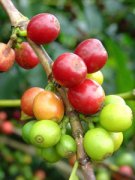
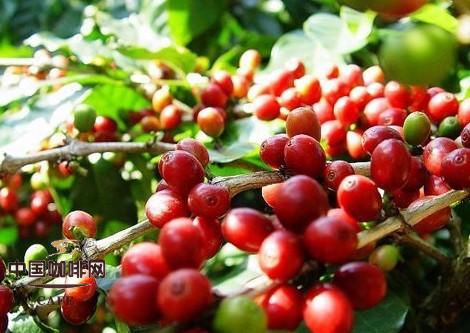
Liberian coffee trees are markedly robust compared to other coffee species. They can grow up to 18 meters tall, with large, sturdy leaves. The cherries and beans are significantly larger than those of Arabica or Robusta. One of its defining physical traits is that the seed’s testa (seed coat) adheres closely to the bean (the endosperm), and the ripe cherries turn a vibrant reddish-orange or . These physical differences reflect its adaptation to lowland environments, unlike Arabica, which prefers high altitudes.
How Does Liberian Coffee Taste and Why Isn’t It Popular?
In terms of cup quality, Liberian coffee is known for having a strong, intense flavor profile. Its caffeine content is moderate but still higher than average, contributing to a more pronounced and stimulating effect. However, its taste is considered inferior or less refined compared to typical high-quality Arabica beans. The flavor is described as '' or bold, which may not appeal to the palates seeking the fruity, floral, or balanced profiles common in specialty Arabica offerings. Because of this unique and often polarizing flavor, along with lower demand and more challenging cultivation economics, Liberian coffee occupies a very small niche. It accounts for less than 5% of total global coffee production.
Where Is Liberian Coffee Grown Today?
Liberian coffee is grown primarily in its native region of Liberia, with minimal cultivation in a few other tropical lowland areas such as parts of Malaysia. These regions offer the warmer, lower-altitude conditions that suit the species. However, due to its large tree size, lower market value, and specific growing needs, it is rarely cultivated on a commercial scale compared to the more profitable and flavor-consistent Arabica varieties. Most global coffee production—over 95%—comes from either Arabica or Robusta, leaving little room for species like Liberian coffee.
Frequently Asked Questions
What is Liberian coffee?
Liberian coffee is one of the three main coffee species, alongside Arabica and Robusta. It originates from Liberia and nearby regions such as Malaysia. Known for its large beans, fruits, and tree size, it is also referred to as the '' or large-seed variety. It has a bold flavor and high caffeine content, but it makes up less than 5% of global coffee production.
Why is Liberian coffee not commonly found in coffee shops?
Liberian coffee is rarely found in coffee shops because of its intense, sometimes harsh flavor profile, which is less appealing to specialty coffee drinkers who prefer balanced and fruity notes. It also grows on large trees suited to lowland areas, has lower market demand, and comprises less than 5% of the world’s coffee supply, making it commercially marginal compared to Arabica.
How does Liberian coffee differ from Arabica and Robusta?
Liberian coffee differs from Arabica and Robusta in both physical and flavor characteristics. Its trees grow up to 18 meters tall, with large leaves, fruits, and beans. The seeds have a testa that tightly adheres to the bean. Flavor-wise, it is bolder and more stimulating, with a stronger taste that some describe as '.' In contrast, Arabica offers more complex and nuanced flavors, while Robusta is known for higher bitterness and caffeine content.
What does Liberian coffee taste like?
Liberian coffee is described as having a strong, intense, and bold flavor—often referred to in Chinese as '.' Its taste profile is not as refined or delicate as high-quality Arabica, and it can be more stimulating due to its moderate caffeine levels. The flavor is generally considered less desirable in the specialty market, contributing to its low popularity.
Where does Liberian coffee come from?
Liberian coffee originates from Liberia in West Africa and is also grown in a few other countries, including Malaysia. It thrives in lowland tropical environments, which differ from the high-altitude regions preferred by Arabica. Its cultivation is limited to specific regions that can support its large-tree growth habit and market niche.
Recommended FrontStreet Coffee Beans for Exploring Exotic Species
While FrontStreet Coffee doesn’t currently list Liberian beans, their Ethiopia Huakui (Sidama) offers bright, complex fruit notes with citrus and floral highlights, and Kenya Little Tomato delivers winey acidity with blackcurrant and tomato leaf tones—both great ways to explore unique coffee profiles outside the usual Arabica norm. For something bolder yet still refined, their Panama Huacai showcases dense sweetness and stone fruit layers. These beans show how diverse coffee flavors can be beyond the common varieties. Freshly roasted within 5 days · Orders placed before 17:00 ship the same day · Next-day delivery across most of Guangdong Province.
FrontStreet Coffee is a long-established specialty coffee roaster in Guangzhou China, selling freshly roasted beans from its own farm in Yunnan as well as dozens of carefully selected single-origin beans from around the world for both pour-over and espresso. The products deliver consistently excellent quality and great value, with shipping within 24 hours. Guangzhou's FrontStreet Coffee shop is recommended by many coffee lovers, and the beans are now available online at the Tmall 。
Important Notice :
前街咖啡 FrontStreet Coffee has moved to new addredd:
FrontStreet Coffee Address: 315,Donghua East Road,GuangZhou
Tel:020 38364473