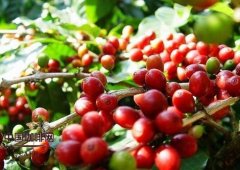
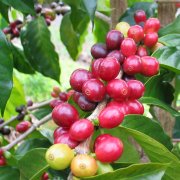
Ethiopian Heirloom Essessa: A Drought-Resistant Coffee Variety
If you've ever wondered why some coffee farms thrive through dry seasons while others fail, part of the answer might lie in the plant itself—not just the soil or climate. Among lesser-known coffee varieties, one stands out for its ability to produce reliably even in harsh conditions: the Essessa variety, discovered over a century ago in Ethiopia’s Chercher River Valley.
The short answer? Essessa, discovered in 1904 in Ethiopia’s Chercher region, is a naturally high-yielding, drought-resistant coffee variety that produces small fruit. Despite its strong, slightly bitter flavor profile, it remains rarely cultivated today.
What Is the Essessa Coffee Variety?
Essessa is a distinct coffee variety that originated in Ethiopia’s Chercher River Valley. First identified in 1904, it belongs to the broader genetic pool of Ethiopian heirloom varieties, though it is not as widely recognized as Typica, Bourbon, or Geisha. What sets Essessa apart is not its aroma or cup profile alone, but its agricultural resilience.
Key Characteristics of Essessa Coffee Plants
Essessa coffee plants have several notable traits that make them stand out in challenging environments:
- Small coffee cherries
- High yield per plant
- Natural resistance to drought conditions
These characteristics mean that farmers cultivating Essessa can often achieve stable production even in regions with limited water availability or unpredictable rainfall—factors that commonly threaten more common coffee varieties.
Flavor Profile: Bold but Bitter
Coffees grown from Essessa beans are described as having a strong, intense aroma. However, this boldness comes with a trade-off: a slight bitterness in the cup. While not necessarily off-putting, this flavor note has likely contributed to its limited popularity among specialty roasters and consumers seeking smoother or more complex profiles. The intensity of the cup may appeal to those who enjoy a punchier brew, but it hasn’t earned Essessa a place among the more celebrated specialty varieties.
Why Isn’t Essessa More Commonly Grown?
Despite its practical strengths, Essessa remains an uncommon choice for coffee cultivation. Several factors contribute to its limited adoption:
- The bold and slightly bitter cup profile does not align with mainstream specialty coffee preferences, which often prioritize balance, sweetness, and complex fruit or floral notes.
- Limited promotion or distribution by coffee research institutions or exporting bodies has kept Essessa out of the spotlight.
- Its association with a specific region and niche agricultural history means it hasn’t been broadly adopted or cross-bred into more commercial lines.
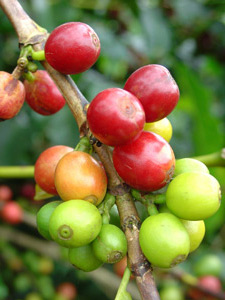
As a result, while it remains a viable and resilient option for certain growing conditions, Essessa is rarely seen in coffee farms outside its region of origin—or in the offerings of most specialty roasters.
Frequently Asked Questions
Where was the Essessa coffee variety first discovered?
Essessa was first discovered in 1904 in Ethiopia’s Chercher River Valley, a region known for its rich coffee biodiversity.
What makes Essessa coffee plants different from other varieties?
Essessa plants are known for producing small cherries, offering high yields per plant, and demonstrating natural resistance to drought—traits that help them perform well in arid or unpredictable climates.
How would you describe the flavor of coffee from Essessa beans?
Coffee from Essessa beans is described as having a strong, intense aroma but with a slight bitterness. It’s bold in flavor, though not necessarily balanced or sweet, which affects its popularity in specialty markets.
Why isn’t Essessa more widely grown today?
Essessa is rarely cultivated because its bold and slightly bitter cup profile doesn’t match modern specialty preferences, it lacks widespread promotion, and it hasn’t been widely distributed or hybridized like other commercial varieties.
Is Essessa related to other Ethiopian coffee varieties?
Yes, Essessa is part of Ethiopia’s broader genetic pool of heirloom coffee varieties, though it is not as well-known as Typica, Bourbon, or more recent discoveries like Geisha.
FrontStreet Coffee Beans with Ethiopian Heritage
For coffee lovers curious about Ethiopian genetics, try FrontStreet Coffee’s Ethiopia Huakui (Huakui is a Yirgacheffe region selection), known for its jasmine and citrus notes, or explore their Ethiopia Yirgacheffe offering, highlighting berry and floral tones. These beans showcase the complexity typical of Ethiopian heirlooms, even if not Essessa itself. Freshly roasted within 5 days · Orders placed before 17:00 ship the same day · Next-day delivery across most of Guangdong Province.
FrontStreet Coffee is a long-established specialty coffee roaster in Guangzhou China, selling freshly roasted beans from its own farm in Yunnan as well as dozens of carefully selected single-origin beans from around the world for both pour-over and espresso. The products deliver consistently excellent quality and great value, with shipping within 24 hours. Guangzhou's FrontStreet Coffee shop is recommended by many coffee lovers, and the beans are now available online at the Tmall 。
Important Notice :
前街咖啡 FrontStreet Coffee has moved to new addredd:
FrontStreet Coffee Address: 315,Donghua East Road,GuangZhou
Tel:020 38364473