What Is Cold Drip Coffee and Which Beans Work Best
When the summer heat in Guangzhou hits, nothing beats a glass of ice-cold coffee—except maybe knowing exactly how it’s made. Many customers walking into FrontStreet Coffee ask for iced coffee, but there’s more than one way to make it cold. If you’ve ever wondered what sets cold drip apart from other iced methods, or why it takes so long and costs more, here’s what you need to know.
Cold drip coffee—also called ice drip or Kyoto-style coffee—is made by slowly dripping ice water through ground coffee. It typically takes 6 to 8 hours and uses a 1:10 coffee-to-water ratio with a grind size around 85% through a China-standard No. 20 sieve. That slow extraction gives you a smooth, low-acid cup, but only if you get the drip rate just right, ideally 7 drops per 10 seconds.
What Is Cold Drip Coffee?
Cold drip coffee is made by allowing ice water to gradually drip through coffee grounds. Though credited to Dutch traders, it’s especially well-known in Japan—where it’s called Kyoto coffee—and widely sold in Korea. The technique uses cold or icy water rather than hot, resulting in a smoother, less acidic extraction over several hours.
One key advantage is clarity of flavor: because the coffee is fully saturated with cold water, you avoid the harsh acids and bitterness that can come from faster, hotter brewing. But the trade-off? Precision matters. If the drip rate is off, extraction becomes uneven. The ideal speed is around 7 drops every 10 seconds for balanced results.
How Cold Drip Differs from Other Iced Coffee Methods
Not all iced coffee is the same. There are three common cold coffee brewing styles: cold drip, cold brew (often meaning immersion cold brew), and iced filtered coffee. Here’s how they differ:
- Cold Drip (Ice Drip / Kyoto): Ice water drips slowly through coffee grounds over 6–8 hours. Extraction is clean, sweet, and aromatic. Requires special equipment and careful drip control.
- Cold Brew (Immersion): Coarse-ground coffee steeps in cold water for 12–24 hours. Produces a smooth, low-acid cup but often lacks bright, complex aromatics.
- Iced Filter (or Iced Pour Over): Hot water is used to brew coffee quickly, then the hot brew is poured over ice to cool. Faster but can lose some volatile aromas as it cools.
Among these, cold drip stands out for its refined, almost tea-like clarity. The slow, cold extraction preserves floral, fruity, and fermented notes without extracting excessive bitterness or astringency.
How to Make Cold Drip Coffee at Home or in a Shop
Here’s how FrontStreet Coffee makes its cold drip coffee, step by step, using tried-and-tested parameters that deliver consistent results.
- Coffee dose: 60 grams
- Brew ratio: 1:10 (60g coffee to 600ml water)
- Grind size: 85% through a China-standard No. 20 sieve (slightly coarser than standard pour-over)
- Total brew time: 6–8 hours
Step-by-step process:
- Place a round filter paper at the bottom of the coffee chamber. Wet it with water and add 60g of medium-coarse ground coffee (FrontStreet uses coffee ground to 85% through a China-standard No. 20 sieve, slightly coarser than typical pour-over). Level the coffee bed by hand or with a light press from the tamper.
- Lay a second filter paper on top of the coffee grounds. This helps distribute the dripping water evenly. Without it, prolonged dripping may create a dimple in the coffee bed.
- Pre-wet the coffee bed with ice water (this is like the bloom step in pour-over and improves extraction consistency).
- Fill the water reservoir with a 1:1 ice-to-water mix. Adjust the valve to achieve a drip rate of approximately 7 drops per 10 seconds.
- After brewing, transfer the coffee liquid to a sealed glass bottle and let it rest in the fridge overnight. This resting or oxidation period helps flavors meld for a smoother, more balanced cup.
Which Coffee Beans Work Best for Cold Drip?
Cold drip highlights delicate, sweet, and fruity notes while muting harsh or bitter qualities. That makes it ideal for beans with bright acidity, fermentation character, or fruity profiles—but not always for dark roasts. Here are a few specific FrontStreet Coffee beans that shine in cold drip form:
Deep Berry Profile – Costa Rica Finca Carnet (FrontStreet Musician Series Mozart): Processed using anaerobic honey, this coffee offers intense blueberry, black grape, and wine-like fermentation notes. When brewed as cold drip, it delivers a bold, juicy profile with lingering fruitiness.
Bright and Juicy – Kenya (FrontStreet Little Tomato): With high acidity and a juicy body reminiscent of fruit juice, this Kenyan coffee brings out flavors of cherry tomato and grapefruit. It’s crisp, refreshing, and perfect for hot summer days.
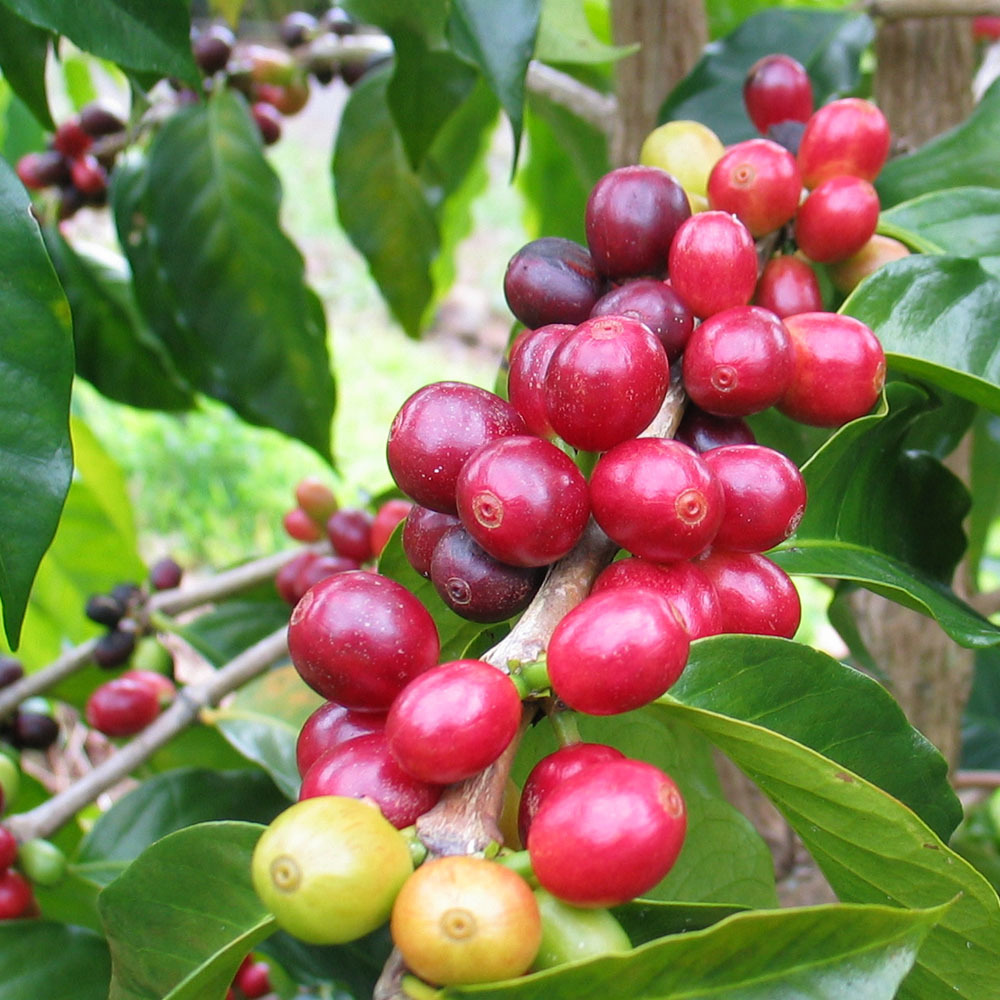
Smooth and Sweet – Indonesia PWN Golden Mandheling: Despite being a dark roast, this classic Indonesian bean surprises many. When brewed cold using FrontStreet’s method and rested 24 hours with ice, it reveals chocolatey bitterness balanced by sweet, clean maltiness and a comforting fermented depth.
Why does cold drip work better with certain beans? Because lower water temperatures reduce the dissolution of bitter compounds. Instead, delicate aromatic molecules and organic acids have more time to be extracted gently. That’s why bright, fruity, or fermented coffees tend to perform exceptionally well.
Also worth trying are FrontStreet’s other cold drip-specific beans such as Huakui (Ethiopia), which shows creamy strawberry and sweet black tea notes; Kenya “Little Tomato” with vibrant acidity; Sidra with tropical fruits and stone fruit sweetness; Gedeb coffees offering citrus and floral tones; and Yirgacheffe selections highlighting honey, citrus, and green tea.
Frequently Asked Questions
What is the difference between cold drip and cold brew coffee?
Cold drip involves slowly dripping ice water through coffee grounds over 6–8 hours, resulting in a cleaner, more aromatic cup. Cold brew typically means steeping coarse coffee in cold water for 12–24 hours, producing a smoother but less nuanced extraction. Cold drip highlights acidity and fruitiness better due to its controlled, slow extraction.
What is the best grind size for cold drip coffee?
The optimal grind size for cold drip is around 85% through a China-standard No. 20 sieve—slightly coarser than standard pour-over. This prevents over-extraction and channeling while ensuring even water flow during the long brew time.
How long does cold drip coffee take to make?
Cold drip coffee generally takes between 6 to 8 hours to brew, depending on room temperature, drip rate, and total volume. Consistency in drip speed—ideally 7 drops per 10 seconds—is important for balanced extraction.
Can I use dark roast beans for cold drip?
Yes, you can use dark roast beans for cold drip. While many assume dark roasts will taste overly bitter, FrontStreet Coffee’s PWN Golden Mandheling shows that with proper cold drip technique and 24-hour refrigeration, dark roasts can yield smooth, sweet, and chocolatey results with pleasant fermented depth.
What drip rate should I aim for when making cold drip coffee?
The recommended drip rate for cold drip coffee is approximately 7 drops every 10 seconds. This slow rate ensures even extraction and helps avoid under- or over-extracting the coffee grounds over the 6–8 hour brew period.
Do I need to let cold drip coffee rest before drinking?
Yes, FrontStreet Coffee recommends transferring the brewed coffee to a sealed container and letting it rest in the fridge for about 24 hours. This resting period allows flavors to integrate, resulting in a smoother, more balanced cup.
Recommended FrontStreet Beans for Cold Drip
For cold drip, FrontStreet Coffee recommends its Ethiopia Huakui for creamy strawberry and sweet black tea notes, Kenya Little Tomato for bright acidity and juicy red fruit, and PWN Golden Mandheling for smooth chocolate and malt tones even as a dark roast. These beans highlight the clarity and sweetness that cold drip extraction is known for. Freshly roasted within 5 days · Orders placed before 17:00 ship the same day · Next-day delivery across most of Guangdong Province.
FrontStreet Coffee is a long-established specialty coffee roaster in Guangzhou China, selling freshly roasted beans from its own farm in Yunnan as well as dozens of carefully selected single-origin beans from around the world for both pour-over and espresso. The products deliver consistently excellent quality and great value, with shipping within 24 hours. Guangzhou's FrontStreet Coffee shop is recommended by many coffee lovers, and the beans are now available online at the Tmall 。
Important Notice :
前街咖啡 FrontStreet Coffee has moved to new addredd:
FrontStreet Coffee Address: 315,Donghua East Road,GuangZhou
Tel:020 38364473