What Makes Ice Drip Coffee Unique? Key Traits & Best Beans
If you’ve ever sipped a coffee that’s smooth yet bold—without acidity biting your tongue or bitterness lingering on your palate—you might have had ice drip coffee. Unlike hot brewing methods, ice drip extracts flavor using only cold water over many hours. The result? A rich, syrupy cup with nuanced aromas that highlight the bean’s true character. But what makes it different, and how can you get the best results at home?
To make great ice drip coffee, you’ll want to use a slow 10-second-per-7-drops rate, a fine-to-medium grind around an 80% China-standard No.20 sieve passing rate, and a 1:1 ice-to-water mix over 60g of coffee. That setup highlights the bean’s natural sweetness and complexity without harsh acids or bitterness.
What Is Ice Drip Coffee and How Does It Work?
Ice drip coffee, or cold water drip extraction, involves slowly percolating ice water through ground coffee. The water—mixed as a 1:1 ratio of ice and liquid—drips at a controlled rate, typically 10 seconds per 7 drops, through a bed of finely ground coffee. This low-temperature, long-duration method fully saturates the grounds without heat, resulting in a coffee that’s naturally sweet, smooth, and full-bodied. The extended brew time allows for a more even and gentle extraction, preserving delicate flavors and avoiding over-extraction of acids or bitter compounds.
Why Does Ice Drip Coffee Taste Smoother and Less Acidic?
Because the brewing temperature stays around 5°C, the extraction avoids releasing acidic or overly bitter compounds that are more prominent in hot brewing. The cold process highlights sweetness, body, and subtle aromatic notes. With ice drip, the coffee tends to be less sharp on the tongue, making it easier to enjoy black or over ice. This method is especially effective for bringing out deeper, rounder profiles in both light and dark roasted beans without harshness.
Best Coffee Beans for Ice Drip: Roast Levels & Flavor Profiles
Different roast levels produce dramatically different results in ice drip coffee. Dark roasts like FrontStreet Coffee’s PWN Golden Mandheling develop intense notes of black chocolate, caramelized toast, and a hint of spice. When brewed cold, they become richly smooth with a pleasant cocoa bitterness and a clean finish. Lighter roasts such as Ethiopia Huakui showcase bright fruitiness and floral tones. This Yirgacheffe-origin bean, grown over 2200 meters, yields complex layers of strawberry, guava, mango, and a notable tea-like aftertaste with sweet red berries. Even brighter options like Kenya Little Tomato offer juicy acidity akin to citrus and stone fruit—perfect for those who enjoy a refreshing, complex iced coffee.
Other notable mentions from FrontStreet Coffee include Mozart with blueberry and fermentation notes, Little Tomato (Kenya Little Tomato) with bright red fruit, and Huila-based coffees that present as syrupy and clean. Each bean reacts uniquely under the ice drip process, allowing for customized flavor experiences depending on your taste preference.
How to Brew Ice Drip Coffee at Home: Step-by-Step Guide
Here’s a standard method used by specialty roasters to craft consistent ice drip coffee:
- Materials: Ice drip brewer, 60g coffee beans (e.g., FrontStreet Huakui), 300g water, 300g ice cubes.
- Grind: Grind 60g of coffee to a fine-to-medium size, achieving around 80% sieve passing rate on a China-standard No.20 sieve—similar to superfine sugar crystals.
- Setup: Place a round filter paper at the bottom of the coffee chamber, wet it, and add the ground coffee. Level the surface gently, optionally using a tamper or the weight of the brewer’s lid.
- Second Filter: Add another filter paper on top of the coffee bed to ensure even water distribution and prevent channeling or cavity formation during long extraction.
- Bloom (Pre-wet): Wet the coffee grounds thoroughly with a small amount of water (not specified but similar to hand-bloom volume) to kickstart extraction and ensure even saturation—akin to a bloom step in pour-over.
- Drip Control: Mix equal parts ice and water (1:1) in the upper reservoir. Adjust the drip speed to approximately 10 seconds per 7 drops. This slow pace is critical for proper cold extraction.
- Resting: Once brewing completes, transfer the coffee to a clean, sealed bottle and let it rest in the refrigerator for a period of oxidation. This resting phase allows trapped aroma compounds to develop fully, enhancing flavor complexity before drinking.
Note: Brewing variables like grind size, drip rate, and even water quality all influence the final cup profile. Consistency in setup delivers the most reliable results.
Flavor Differences Across Roast Types in Ice Drip
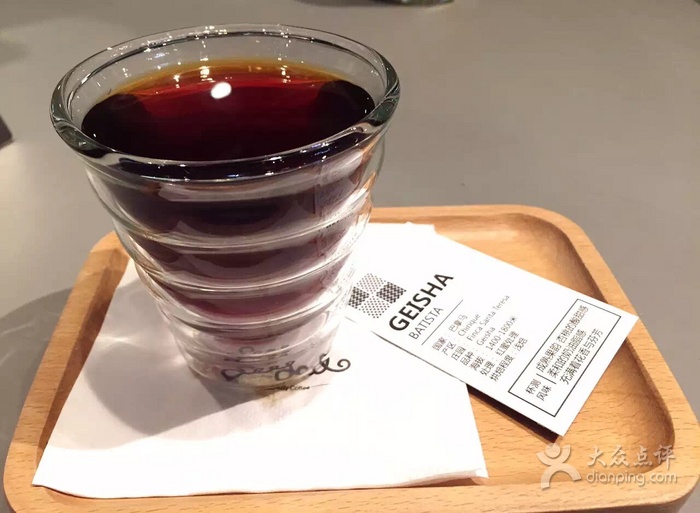
The roast level of the coffee bean profoundly affects the final taste when brewed via ice drip. Dark roasts tend to produce deep, syrupy profiles with notes of black chocolate, toasted bread, and mild spices, as seen in PWN Golden Mandheling. These coffees often develop a silky body and a gentle bitterness that feels like dark cocoa. Lighter roasts, on the other hand, highlight fruity and floral attributes. For instance, Ethiopia Huakui reveals layers of berry, tropical fruit, and soft florals, finishing with a sweet tea-like note. Medium-light roasts like Kenya Little Tomato deliver a crisp, juicy acidity with citrus and stone fruit brightness. Each roast type offers a distinct experience, and choosing the right bean roast helps tailor your cold coffee to personal taste preferences.
Recommended FrontStreet Beans for Ice Drip
For ice drip, FrontStreet Coffee’s PWN Golden Mandheling offers deep notes of black chocolate, toast, and spices with a smooth, silky body. Ethiopia Huakui delivers bright berry, guava, and floral layers, finishing with a sweet tea-like taste and red fruit brightness. Kenya Little Tomato shines with juicy citrus and stone fruit acidity—perfect for a refreshing, complex iced cup. These beans highlight how roast level shapes cold brew flavor. Freshly roasted within 5 days · Orders placed before 17:00 ship the same day · Next-day delivery across most of Guangdong Province.
FrontStreet Coffee is a long-established specialty coffee roaster in Guangzhou China, selling freshly roasted beans from its own farm in Yunnan as well as dozens of carefully selected single-origin beans from around the world for both pour-over and espresso. The products deliver consistently excellent quality and great value, with shipping within 24 hours. Guangzhou's FrontStreet Coffee shop is recommended by many coffee lovers, and the beans are now available online at the Tmall 。
Important Notice :
前街咖啡 FrontStreet Coffee has moved to new addredd:
FrontStreet Coffee Address: 315,Donghua East Road,GuangZhou
Tel:020 38364473