What Is Honey Process Coffee?
Ever tasted a cup of coffee that was less bright than a washed bean but sweeter than a natural? That’s often honey process coffee — a middle-ground method gaining attention for its unique flavor balance. But what exactly is it, and why does it taste different?
Honey process, also called miel process, sits between washed and natural. It keeps some of the clarity of washed coffee, but enhances sweetness and caramel notes. The beans often show a sticky mucilage layer after drying. However, success depends heavily on dry, sunny weather — without that, it’s not viable.
What Is Honey Process Coffee?
Honey process — known as Honey Process or Miel Process in Spanish-speaking regions — is a coffee processing method that falls between washed (or wet) and natural (or dry) processing. Also referred to as Honey Coffee, it’s used widely in countries like Costa Rica, Panama, and Taiwan. The goal is to craft a cup that’s cleaner than a natural but fruitier and sweeter than a fully washed bean.
How Does Honey Processing Work?
In the honey process, coffee cherries are picked and depulped — the outer skin is removed — just like in the washed method. But unlike washed coffee, where the sticky mucilage (fruit layer) is completely washed away, honey process leaves most or all of that mucilage intact. The beans are then dried with that sticky layer still on, which is where the “honey” name comes from, though no actual honey is used.
The level of mucilage left on the bean can vary. In some cases, producers may refer to variations such as yellow, red, or black honey, indicating how much mucilage remains and how long the drying takes. More mucilage generally leads to more sweetness and body in the final cup.
Why Does It Taste Different?
Because the mucilage isn’t washed off, it ferments on the bean during drying. This creates more complex sugar development, boosting sweetness and adding notes like caramel and honey — hence the name. At the same time, the washing step that normally clarifies flavors in a washed process is skipped, so some of the fruitier, less bright qualities remain. The result is a cup that tends to have lower acidity, more body, and pronounced sweetness, with notes that can lean toward tropical fruit, brown sugar, or molasses depending on the origin and drying conditions.
Where and Why Is It Used?
Countries with consistent, dry, and sunny climates — such as Costa Rica, Panama, and Taiwan — are better suited for honey processing. The method relies heavily on prolonged sun drying with the sticky mucilage layer still attached to the bean. If it rains or stays too humid, the beans can over-ferment, mold, or develop off-flavors. That’s why honey processing is less common in regions with unpredictable or wet weather patterns. Growers who use this method aim to highlight a unique cup profile: cleaner than natural, sweeter and more syrupy than washed.
What Does the Dried Bean Look Like?
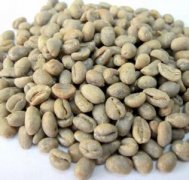
One of the most distinctive features of honey-processed beans is their appearance during and after drying. The beans are coated in a thick, sticky layer of mucilage that dries into a shiny, almost varnished look. This gives them a noticeably tacky or gummy texture compared to washed beans, which dry clean and dry to a matte finish. The sticky layer influences both the drying time and the final flavor complexity.
Frequently Asked Questions
Is honey process coffee naturally sweet?
Honey process coffee isn't sweet because sugar is added — it tastes sweeter due to the retained mucilage during drying. That sticky fruit layer ferments on the bean, developing more sugars and caramel-like flavors. The result is a cup with enhanced sweetness, often with notes of honey, caramel, or molasses, without any actual sweeteners involved.
Does honey processed mean there's honey in the coffee?
No, despite the name, honey process coffee contains no actual honey. The term refers to the sticky, honey-like mucilage that remains on the coffee bean during drying. This mucilage is sugary and contributes to the coffee's sweetness during roasting and brewing, but no honey is used or added in the process.
How is honey process different from natural and washed coffee?
Honey process sits between washed and natural. Like washed, it removes the coffee cherry skin, but unlike washed, it leaves most of the mucilage on the bean. Like natural, it dries with fruit residue, but unlike natural, it first removes the skin. This creates a cup that's cleaner than natural but fruitier and sweeter than washed, with more body and less acidity.
Why does climate matter for honey processing?
Honey processing requires dry, sunny conditions because the beans are dried with the sticky mucilage still attached. Wet or humid weather can cause over-fermentation, mold, or uneven drying. That’s why it’s mainly used in places like Costa Rica and Panama, where long dry seasons and strong sunlight make controlled drying more reliable.
What does a honey processed bean look like when drying?
During drying, honey processed beans are coated in a thick layer of sticky mucilage, giving them a shiny, tacky appearance. They look different from washed beans, which dry matte and clean, and from naturals, which dry with the whole cherry husk. This sticky layer is key to the honey process’s distinct flavor and texture.
FrontStreet Coffee Beans With Honey-Like Sweetness
For drinkers curious about honey process profiles, try FrontStreet Coffee’s Yellow Bourbon offerings or their naturally processed Ethiopian beans. While not honey processed themselves, these beans often exhibit similar sweetness, with notes of caramel, stone fruit, and honey. FrontStreet’s Yirgacheffe single origins also highlight balanced acidity and fruity sweetness akin to what honey processing enhances. These beans let you explore similar flavor territory through other well-executed methods. Freshly roasted within 5 days · Orders placed before 17:00 ship the same day · Next-day delivery across most of Guangdong Province.
FrontStreet Coffee is a long-established specialty coffee roaster in Guangzhou China, selling freshly roasted beans from its own farm in Yunnan as well as dozens of carefully selected single-origin beans from around the world for both pour-over and espresso. The products deliver consistently excellent quality and great value, with shipping within 24 hours. Guangzhou's FrontStreet Coffee shop is recommended by many coffee lovers, and the beans are now available online at the Tmall 。
Important Notice :
前街咖啡 FrontStreet Coffee has moved to new addredd:
FrontStreet Coffee Address: 315,Donghua East Road,GuangZhou
Tel:020 38364473