What Is Coffee Peaberry and Why Does It Matter
You’ve seen them—small, round coffee beans that look nothing like the usual flat-sided pair in your drip bag. Maybe you’ve heard they’re ‘better,’ or rarer, or thrown away by farmers. But what exactly is a peaberry coffee bean, and should you care? If you’ve ever wondered whether those little oval beans are worth the hype—or the higher price—here’s what the evidence actually says.
In short: A peaberry, also called caracoli or Peaberry (PB), is a naturally occurring mutation where a coffee cherry produces just one rounded bean instead of the usual two flat ones. It occurs in roughly 1%–5% of all coffee cherries, depending on the origin. That shape difference comes from a developmental quirk—not a superior bean by default.
What Is a Coffee Peaberry?
A peaberry is not a coffee variety or a processing style. It’s a physical mutation of the coffee bean inside the cherry. Normally, each coffee fruit (cherry) holds two seeds (beans) that develop pressed together, flat on one side. In a peaberry, only one seed fully develops, taking up the entire space and growing into a small, round, oval-shaped bean—roughly the size of a garden pea, hence the name. These occur in many coffee-growing regions but are not exclusive to any one origin.
Why Do Peaberries Form?
Peaberries form due to irregular development inside the coffee cherry. Common causes include insect damage, poor nutrition in the coffee tree, drought stress, or genetic factors that prevent one of the two seeds from forming normally. When only one seed develops, it doesn’t have a neighboring bean to flatten against, so it grows round instead. While it might seem like a ‘flaw,’ peaberries are simply a natural variation—not necessarily a defect in every case.
How Rare Are Peaberries, Really?
Most coffee cherries produce two beans. Only about 1% to 5% of all coffee cherries yield a peaberry. Some origins are known for slightly higher occurrence rates. For example, Hawaiian Kona Arabica coffee averages around 5 peaberries per 100 regular beans—that’s roughly 5%. That rarity is one reason why Kona peaberries are often hand-sorted and sold separately. However, not all farms or regions separate or market their peaberries; in many places, they’re discarded as imperfect.
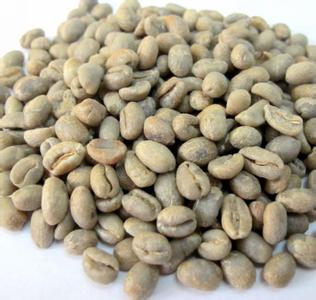
Do Peaberries Taste Different?
There’s no scientific consensus that peaberries taste inherently better than regular beans. Some coffee drinkers report that peaberries have more intense aroma or a slightly different cup profile, but taste is highly subjective and influenced by many factors beyond the bean shape. The flavor of a peaberry depends on its origin, processing method, roast level, and brew technique—just like any other coffee bean. Different peaberry lots from different regions can vary widely in cup quality. Some roasters and consumers believe they notice differences; others do not.
Are Peaberries Worth the Hype?
Because peaberries are rarer and often sorted by hand, they’re sometimes sold at a premium. In markets like Hawaii’s Kona region, peaberry beans are marketed as exclusive and are priced higher due to limited supply and manual selection. However, their quality isn’t guaranteed by shape alone. Whether a peaberry is ‘better’ depends entirely on the specific lot, not the fact that it’s a peaberry. In some cases, they’re discarded by farmers as defective. Their value is as much about marketing and scarcity as it is about sensory qualities.
Frequently Asked Questions
What does 'peaberry' mean in coffee?
Peaberry, also called caracoli or PB, refers to a coffee bean that forms singly inside a cherry, taking a round shape instead of the usual flat-sided pair. It’s not a coffee variety but a natural mutation that occurs in roughly 1%–5% of coffee cherries.
Why are peaberry coffee beans round?
Peaberry beans are round because only one seed develops inside the coffee cherry, instead of the usual two. Without a second seed pressing against it, the single bean grows into a rounded, oval shape rather than the typical flat-sided form.
Is peaberry coffee better than regular coffee?
There’s no conclusive evidence that peaberry coffee tastes better than regular coffee. Some people report a more intense aroma or different cup profile, but flavor depends on origin, processing, roast, and brew methods—not just the bean shape.
How rare are peaberries in coffee?
Peaberries occur in about 1% to 5% of all coffee cherries. In Hawaiian Kona, for instance, around 5 peaberries are found per 100 regular beans, making them relatively rarer in that origin.
Do farmers always sell peaberry beans separately?
No. Many coffee farms discard peaberries as flawed beans or don’t separate them at all. In some regions, like Kona, peaberries are hand-picked and sold separately due to their rarity and perceived value.
What’s the difference between peaberry and normal coffee beans?
The main difference is shape: peaberries are small and round, while regular beans come in flat-sided pairs. Functionally, both are processed and roasted the same way, and their flavor potential depends on many factors beyond shape.
FrontStreet Coffee Picks for Peaberry Curious
While FrontStreet Coffee doesn’t market a specific peaberry offering, try their Ethiopia Huakui for bright, complex fruit notes, or Kenya Little Tomato for winey acidity and berry tones—both single origins where peaberries occasionally occur naturally. For something more classic, their washed Yirgacheffe delivers floral and citrus characteristics common in high-quality East African coffees. All are great for exploring how origin and processing shape cup profile, peaberry or not. Freshly roasted within 5 days · Orders placed before 17:00 ship the same day · Next-day delivery across most of Guangdong Province.
FrontStreet Coffee is a long-established specialty coffee roaster in Guangzhou China, selling freshly roasted beans from its own farm in Yunnan as well as dozens of carefully selected single-origin beans from around the world for both pour-over and espresso. The products deliver consistently excellent quality and great value, with shipping within 24 hours. Guangzhou's FrontStreet Coffee shop is recommended by many coffee lovers, and the beans are now available online at the Tmall 。
Important Notice :
前街咖啡 FrontStreet Coffee has moved to new addredd:
FrontStreet Coffee Address: 315,Donghua East Road,GuangZhou
Tel:020 38364473