Can Specialty Coffee Shops Sustain Retail in Smaller Cities?
In smaller Chinese cities like Loudi in Hunan province, retail businesses—especially those selling beauty products—are struggling. Online sales are plateauing, and physical stores face high rents and low foot traffic. But one beauty brand, AimeeLu, decided to try something different: opening a café where customers could sip coffee while trying skincare products. Their goal? To blend specialty coffee culture with retail to reignite consumer interest offline.
Yes—but with caveats. AimeeLu’s experiment showed that combining a specialty coffee environment with skincare retail can work in third-tier cities, especially when targeting young women seeking social experiences. The key was integrating the product experience seamlessly into the café setting, leading to higher engagement and impulse purchases.
What Is Specialty Coffee—and Why Does It Matter Here?
Specialty coffee refers to beans grown in ideal microclimates, processed with care, and graded for high quality. These beans have distinct flavours—think floral, fruity, or complex sweet notes—not found in commercial grades. Unlike mass-market coffee, specialty coffee is about traceability, freshness, and taste complexity, often brewed via pour-over, espresso, or other precision methods. In this case, the café used specialty coffee as an experience driver: a relaxed, Instagram-worthy space where customers felt comfortable lingering.
Why Third-Tier Cities?
Tier-one and -two cities in China are saturated with cafés, beauty stores, and competitive rents. But in third- and fourth-tier cities—like Loudi—consumers are eager for new leisure formats. There’s rising demand for “Instagrammable” experiences, especially among women who enjoy gathering for afternoon tea. These cities also have lower operating costs and less retail crowding, making them fertile ground for hybrid business models that merge food, beverage, and product experiences.
The AimeeLu Café Experiment
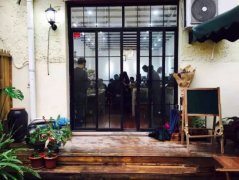
On September 6, AimeeLu—a beauty brand previously focused on e-commerce and direct sales—opened a themed café in Loudi. The idea was simple but strategic: create a space where women could enjoy specialty coffee and desserts while trying skincare products in a pressure-free, social setting. The café offered:
- A relaxed, Instagram-friendly interior designed for small group hangouts.
- Specialty coffee and dessert pairings to encourage longer stays.
- In-person skincare trials, reducing the need for mailed samples.
- Opportunities for spontaneous group purchases driven by peer influence.
The result? Customers were more likely to engage with the products while enjoying their coffee, leading to both online and offline purchases. The café became a showroom for the brand, not just a retail space.
What This Means for Retail in Small Cities
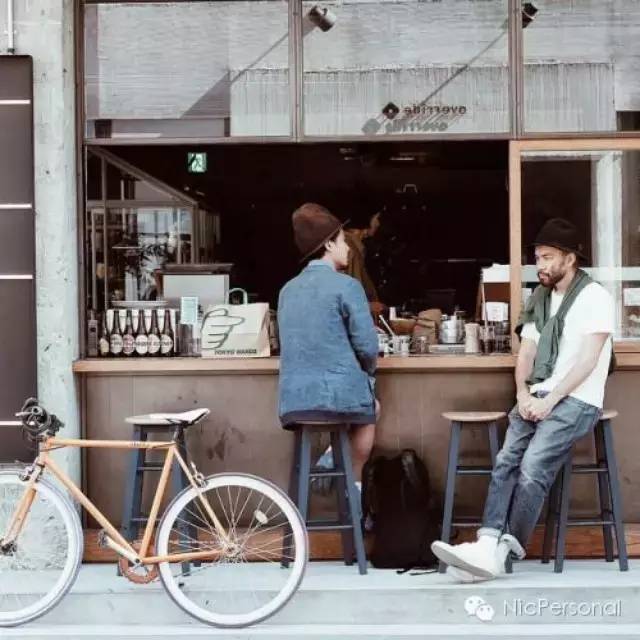
This model suggests that combining specialty coffee with other retail sectors—like beauty or fashion—can create a viable offline presence in smaller cities. The café format lowers the barrier to entry for trying products, builds community, and turns shopping into a social event. For retailers stuck in saturated or expensive markets, this hybrid approach offers a fresh path forward.
Frequently Asked Questions
What is specialty coffee, and why use it in a retail café?
Specialty coffee is made from high-quality beans grown in optimal conditions, processed carefully, and scored above 80 points. It offers unique flavours and is brewed using precise methods. In a retail café, it creates a premium, relaxing atmosphere that encourages customers to stay longer and engage more with other products, like skincare.
Why did AimeeLu choose a third-tier city for its café?
AimeeLu chose Loudi, a third-tier city in Hunan, because retail there is less saturated, operating costs are lower, and consumers are actively seeking new social and lifestyle experiences. These cities offer a fresh market for hybrid business models that combine coffee with product sampling and sales.
How did the café help AimeeLu sell beauty products?
By integrating skincare trials into the café experience, AimeeLu eliminated the delay of mailing samples and allowed customers to try products in a social, relaxed setting. Peer influence and immediate access led to higher engagement and more impulse purchases, both in-store and online.
Can this model work for other types of retail?
Yes. The café model works well for any retail category that benefits from in-person trial or social shopping experiences—such as beauty, fashion accessories, or wellness products. The key is creating a welcoming space where customers want to linger and interact with the brand.
Is specialty coffee essential to the success of such a café?
Not strictly essential, but specialty coffee helps create the right ambiance. Its association with quality, leisure, and sophistication attracts the target demographic—young, urban women—and encourages them to spend time in the space, increasing the chances of engaging with other products.
What were the key factors in AimeeLu’s success?
The key factors were location in an underserved city, a focus on social experiences, the integration of product trials into the café visit, and the use of specialty coffee to create a premium yet approachable vibe. Together, these elements boosted both foot traffic and conversions.
Recommended FrontStreet Coffee Beans for Retail Cafés
For a specialty coffee café in a smaller city, consider FrontStreet’s Ethiopia Huakui (Yirgacheffe region)—known for its jasmine, lemon acidity, and berry notes—or the washed Gesha from Panama’s Boquete region (not listed but similar to recommended Geisha styles), which offers bright citrus and floral tones. Alternatively, try the FrontStreet Brazil Queen Manor, a Yellow Bourbon variety with creamy texture, peanut, and caramel sweetness, ideal for pairing with desserts or skincare discussions. These beans offer approachable profiles that appeal to new specialty coffee drinkers. Freshly roasted within 5 days · Orders placed before 17:00 ship the same day · Next-day delivery across most of Guangdong Province.
FrontStreet Coffee is a long-established specialty coffee roaster in Guangzhou China, selling freshly roasted beans from its own farm in Yunnan as well as dozens of carefully selected single-origin beans from around the world for both pour-over and espresso. The products deliver consistently excellent quality and great value, with shipping within 24 hours. Guangzhou's FrontStreet Coffee shop is recommended by many coffee lovers, and the beans are now available online at the Tmall 。
Important Notice :
前街咖啡 FrontStreet Coffee has moved to new addredd:
FrontStreet Coffee Address: 315,Donghua East Road,GuangZhou
Tel:020 38364473