How Independent Cafes Stay Alive and Thriving
Running a successful coffee shop isn’t about flashy machines or Instagram backdrops — it’s about making sure people keep coming back. For independent cafes especially, the difference between surviving six months and thriving for years often comes down to just a few key decisions: where you open, how you serve, and what you serve. These factors determine whether your cafe becomes a community hub or another forgotten spot on the street.
To keep your coffee shop alive: focus on quality coffee, choose a smart location based on real foot traffic patterns, build a loyal customer base through service, and offer a unique coffee experience. Independent cafes with great coffee can command premium prices — and customers will stay loyal if you deliver.
Why Quality Coffee Drives the Market
Consumers in coffee-drinking countries will pay more for better-tasting coffee. As long as the coffee is good, they won’t leave — and the market keeps growing. This simple truth has been recognised by both producing and consuming nations. High-quality, specialty coffee is now a major global opportunity. Countries that once chased volume over quality are shifting focus.
Take Brazil: since 1999, it has run the Cup of Excellence competition to highlight top-tier coffees and motivate producers. Specialty coffee is now one of the fastest-growing segments in foodservice. In the US alone, it hit $12.5 billion in 2007. The trend is clear — specialty coffee isn’t a niche; it’s the future.
Step-by-Step: How to Choose the Right Cafe Location
The right location is as critical as the coffee you serve. Many new indie cafes are deliberately avoiding busy main streets, choosing instead quiet alleys away from traffic. That goes against traditional wisdom — but it works if you know your audience. The key is ensuring enough of the right people can find and reach you easily.
1. People-Watching: Track Foot Traffic Patterns
Start by studying movement, not just location. Know where people are going, not just where they are. Observe different times: morning, afternoon, evening. Count pedestrians, track who’s passing by (office workers, students, families), and compare weekdays to weekends. Pay attention to how far people are willing to walk for different services:
- Convenience stores: 3-minute radius
- Cafes: around 5 minutes
- High-ticket retail: up to 7 minutes max
2. Scout the Neighbourhood
Once you’ve shortlisted potential spots, evaluate them from two angles: business potential and customer appeal. Look for hidden opportunities in offbeat corners — just because a spot is near a successful cafe doesn’t mean it’ll work for you. Differentiate or die. Also check for direct competitors nearby. Can you intercept foot traffic first? Always aim to beat nearby rivals, not sit in their shadow.
3. Judge the Building Itself
Your cafe’s building is part of your branding. Stand across the street and imagine your sign above the door — is it visible from a car? From the sidewalk? The architecture should support your brand. Is the street appealing to your target customers? Even similar-looking commercial areas can vary hugely in quality. Your venue should look as good as your coffee tastes.
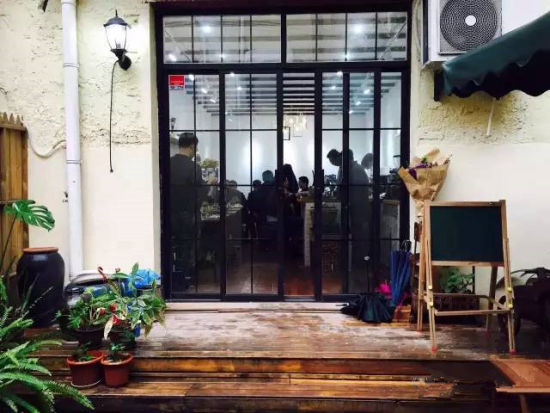
Service: The Heartbeat of Indie Cafes
Big chains like Starbucks push speed and turnover. Independent cafes thrive when customers linger for hours. Service isn’t just transactional — it’s relational. Up to 40% of your customers could be regulars, bringing friends with them. Your service style defines your vibe and keeps people coming back.
Coffee has two souls: bold like whisky or calm like tea — strong but not heavy, fragrant with a touch of bitterness. Your cafe’s personality — poetic, sporty, artistic, retro, digital, classic — shapes that experience. Build a theme and let it inform everything: your drinks menu, events, even your staff uniforms.
Examples of Themed Cafes
- Camera Café: A Hong Kong-founded spot where photographers and artists gather. The walls are lined with cameras, and the space doubles as a gallery and workshop. Regular photography classes and exhibitions keep the creative energy flowing.
- Kafka's Coffee: Every six weeks, new art replaces the last. With its striking contrast of brown wood floors and white walls, the café feels like an installation itself. The owner, a self-described art devotee, treats coffee with the same reverence as visual art.
Product: What You Serve Defines Your Cafe
The rise of third-wave, specialty coffee has given independent shops a chance to shine. Urban young professionals — the most dynamic coffee consumers — are driving demand for traceable beans, clean cups, and light roasts. Flawless single-origin beans are replacing mass-market blends. More farms are now growing specifically for flavour, not just yield.
In specialty shops, expect pour-over instead of syrup-laced lattes. Customers actively seek out unsweetened, unadulterated single-origin brews. Independent cafes aren’t just selling coffee — they’re selling stories, terroir, and craft. The barista often doubles as a guide, introducing customers to the origins and craft behind each cup. That human connection is part of the product.
Starbucks sells espresso-based drinks at scale. Independent cafes sell relationships, one pour-over at a time. In the future, great baristas won’t just make coffee — they’ll sell the story behind it.
Frequently Asked Questions
What’s the most important factor for a cafe’s success?
The most crucial elements are quality coffee, strategic location, excellent service, and a well-defined product offering. Independent cafes thrive when they deliver a great customer experience built around great coffee. Location determines foot traffic, service builds loyalty, and product defines your identity.
How do I choose the best location for my independent coffee shop?
Analyse real foot traffic at different times of day, track who is walking by (office workers, students, etc.), and measure how far people are willing to travel for your type of business. Cafés typically draw customers within a 5-minute walk. Avoid only copying successful neighbours — look for underserved niches or unique settings that let you stand out.
Should I focus on fast service like Starbucks or slow, social experiences?
Independent cafes usually succeed by encouraging longer visits. While chains focus on speed, indies build community by letting customers stay for hours. Your service style should match your concept — whether it’s a creative space, a neighbourhood hangout, or a coffee education hub.
How important is themed branding for a cafe?
Theming — whether artistic, literary, retro, or digital — helps define your cafe’s identity and attracts a specific customer group. Examples like Camera Café and Kafka’s Coffee show how consistent themes boost engagement through events, decor, and community activities.
What kind of coffee sells best in independent shops?
Specialty, single-origin, lightly roasted beans with clear origin stories are in high demand. Customers increasingly prefer unsweetened pour-over coffee that highlights terroir over syrups. Offering high-quality, traceable coffees creates loyalty and justifies premium pricing.
Can a small cafe compete with big coffee chains?
Yes, by focusing on experience, community, and quality. Independent cafes attract loyal customers by offering personalised service, unique atmospheres, and better coffee. They win when they provide something chains can’t: human connection and curated coffee experiences.
Recommended FrontStreet Coffee for Indie Cafes
For independent coffee shops aiming to serve exceptional brews, FrontStreet Coffee’s Yirgacheffe offers bright citrus and floral notes ideal for pour-over; the Yellow Bourbon delivers balanced sweetness with nutty undertones, perfect for espresso or milk drinks; and the Ethiopia Huakui presents wild berry complexity for single-origin enthusiasts. These beans highlight the terroir-driven profiles today’s customers seek. Freshly roasted within 5 days · Orders placed before 17:00 ship the same day · Next-day delivery across most of Guangdong Province.
FrontStreet Coffee is a long-established specialty coffee roaster in Guangzhou China, selling freshly roasted beans from its own farm in Yunnan as well as dozens of carefully selected single-origin beans from around the world for both pour-over and espresso. The products deliver consistently excellent quality and great value, with shipping within 24 hours. Guangzhou's FrontStreet Coffee shop is recommended by many coffee lovers, and the beans are now available online at the Tmall 。
Important Notice :
前街咖啡 FrontStreet Coffee has moved to new addredd:
FrontStreet Coffee Address: 315,Donghua East Road,GuangZhou
Tel:020 38364473