Does Coffee Cause Calcium Loss? How to Replenish It
If you’re a regular coffee drinker, you may have heard whispers that your daily brew could be draining your calcium—potentially affecting your bone health over time. But is it true? And more importantly, what should you do about it?
The short answer: yes, coffee can increase calcium loss, especially if you drink multiple cups a day. Studies show that just two cups of coffee can lead to a loss of around 15 mg of calcium, and most adults need to compensate with at least 100 mg of extra calcium—or one cup of milk—daily.
Why Coffee Can Lead to Calcium Loss
Coffee contains caffeine—a stimulant found in typical servings at around 50 mg per cup—which has diuretic properties. While it boosts alertness and digestion, caffeine also increases urinary calcium excretion. Research indicates that coffee drinkers may excrete twice as much calcium in their urine after consuming caffeine. Over time, especially without adequate intake, this can contribute to calcium deficiency and raise the risk of bone-related conditions.
How Milk in Coffee Helps Offset Calcium Loss
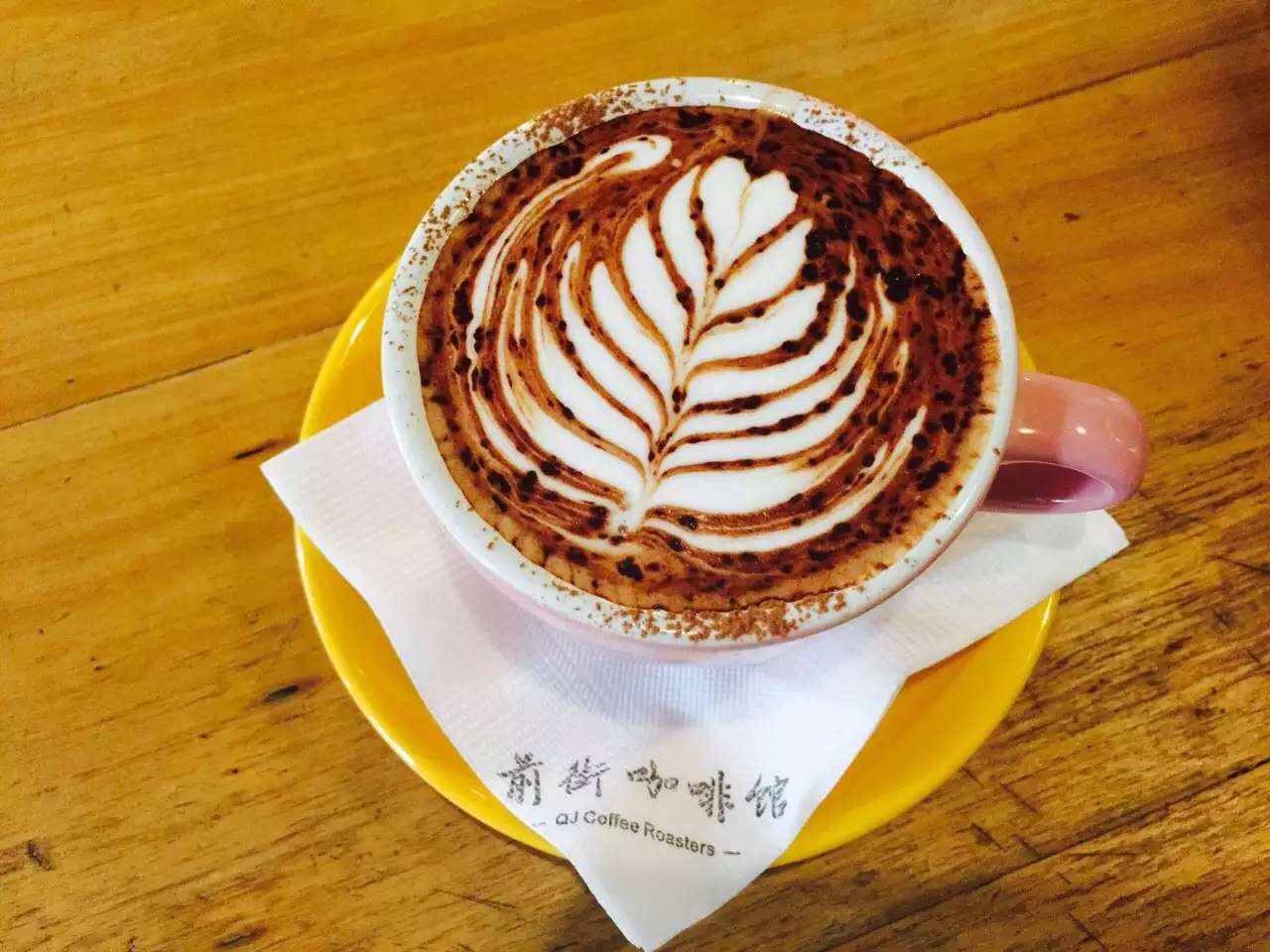
Adding milk to coffee is one of the easiest ways to counteract calcium loss. The key player here is calcium itself: 200 ml of whole milk contains about 236 mg of calcium, while the same amount of skim milk offers around 244 mg. Unlike non-dairy creamers or coffee whiteners—which often contain trans fats and added sugars—pure milk provides a healthy dose of calcium without the downsides. Skim or low-fat fresh milk is ideal: it adds minimal calories, helps protect your stomach lining, and directly contributes to bone health. Avoid coffee mate-type non-dairy creamers, which may harm cardiovascular health and often include sugar.
Best Ways to Replenish Calcium Beyond Coffee
Beyond tweaking your coffee routine, you can support your calcium levels through lifestyle and diet:
- Daily Sunlight Exposure: Aim for at least 20 minutes of sunlight daily, preferably outdoors and without sunscreen or barriers like glass, to help your body synthesize vitamin D3, essential for calcium absorption.
- Regular Exercise: Engage in weight-bearing activities like walking or running, which stimulate bone strength through mechanical load. Non-weight-bearing exercises like swimming or cycling are less effective for bone density.
- High-Calcium Foods: Load up on calcium-rich vegetables such as Chinese flowering cabbage, bok choy, spinach, celery, mustard greens, and alfalfa in season. Legumes like soybeans and sprouts also contribute.
- B-Vitamin Intake: Since caffeine can deplete B vitamins, ensure you're eating sufficient whole grains and staples to maintain those levels too.
Frequently Asked Questions
How much calcium does coffee cause me to lose?
Drinking two cups of coffee can lead to the loss of approximately 15 mg of calcium through increased urinary excretion. The loss scales with caffeine intake, so heavier coffee consumption leads to greater calcium loss.
How can I replace the lost calcium from coffee?
You can replace lost calcium by adding about 200 ml of milk (whole or skim) to your coffee—each provides roughly 236–244 mg of calcium. Alternatively, you can aim to get an extra 100 mg of calcium daily from other dietary sources or supplements.
Is coffee mate or non-dairy creamer a good alternative to milk in coffee?
No. Non-dairy creamers, including coffee mate, often contain trans fats and added sugars, which can be harmful to cardiovascular health. They also lack the calcium and nutritional benefits of real milk.
Does drinking coffee with milk really help my bones?
Yes. Adding milk to your coffee helps replenish some of the calcium lost due to caffeine’s diuretic effect. Milk is rich in calcium—about 236–244 mg per 200 ml—making it an efficient way to balance out the mineral loss.
How much sunlight do I need for calcium absorption?
You need at least 20 minutes of direct sun exposure daily, without sunscreen or barriers like glass, to help your body produce enough vitamin D3, which is critical for absorbing and using calcium effectively.
What exercises are best for maintaining bone strength?
Weight-bearing exercises such as walking, jogging, and running are best for stimulating bone density. Non-weight-bearing exercises like swimming or cycling are great for muscles but less effective for bones.
Recommended FrontStreet Beans for Coffee with Milk
Try FrontStreet Coffee’s Classic Blend for a well-rounded espresso that mellows beautifully with steamed milk, offering notes of dark chocolate and caramel. For filter coffee lovers, their Autumn Chestnut Blend brings nutty sweetness and a smooth body, perfect for lattes or cappuccinos. Both blends complement milk well without compromising on flavor. Freshly roasted within 5 days · Orders placed before 17:00 ship the same day · Next-day delivery across most of Guangdong Province.
FrontStreet Coffee is a long-established specialty coffee roaster in Guangzhou China, selling freshly roasted beans from its own farm in Yunnan as well as dozens of carefully selected single-origin beans from around the world for both pour-over and espresso. The products deliver consistently excellent quality and great value, with shipping within 24 hours. Guangzhou's FrontStreet Coffee shop is recommended by many coffee lovers, and the beans are now available online at the Tmall 。
Important Notice :
前街咖啡 FrontStreet Coffee has moved to new addredd:
FrontStreet Coffee Address: 315,Donghua East Road,GuangZhou
Tel:020 38364473