How Australian Cafés Sustain Profitability
Running a successful coffee shop isn’t easy — especially when competing with global giants like Starbucks. Many independent shops try undercutting prices, but their costs often prevent them from going below ¥10 per cup. On top of that, in China, café culture is still seen as a social status symbol, pushing customers to pay more for the experience than the drink itself. But how do cafés in Australia, where competition is just as fierce, stay afloat and even thrive?
The answer is simple but not easy: focus relentlessly on quality, invest in skilled staff, roast or source excellent beans, and treat your takeout service as a major profit center. Australian cafés prove that a well-run shop can succeed without competing on price alone.
Never Compromise on Quality
Bondi’s Café, a well-regarded spot in Sydney, attributes its success to high standards — both in coffee and people. “The profitability of selling coffee is very high,” says the café’s manager, “but only if you’re willing to invest in the best staff and highest-quality coffee.”
The café partners closely with one of Sydney’s top roasters. “Our relationship is very close. They understand our brand and culture, and we grow together,” she explains. This collaboration ensures consistency, creativity, and a shared commitment to excellence.
Australian coffee demand has grown exponentially in recent years. That growth brings fiercer competition. New trends like almond milk and rice milk drinks now rival cold drip in popularity. “But none of that matters if the coffee isn’t great,” she adds.
What Makes Great Coffee Possible?
Great coffee depends on more than just beans. “It’s about the entire experience — from the roaster’s passion to the grinder settings, the espresso flavor, the aroma, the ambiance, and the technique used to prepare it,” the Bondi manager emphasizes.
The roasting team pays attention to every detail. “They won’t just drop off roasted beans and leave. They monitor quality daily, ensuring a consistently excellent cup. That’s what customers expect,” she says.
She also highlights the importance of food as a draw, but notes, “In Australia, your reputation as a café really hinges on how good your Flat White is. And takeout coffee? That’s a huge part of the revenue.”
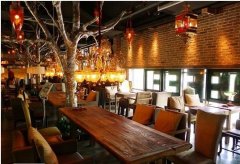
Café atmosphere matters just as much. “A good café is more than a place to eat. It’s a community hub — a friend, a confidant, a getaway from the noise. It should feel like your living room or your quiet escape,” she says.
Takeout Coffee as a Strategic Advantage
In Melbourne, takeout coffee is both a challenge and an opportunity. The manager of Top Paddock Café says, “Food, coffee, service, and ambiance are all essential. But here, if you can’t make a great cup of coffee, you’re in trouble.”
“Opportunity doesn’t wait,” he adds. While many customers buy food with their drinks, a significant portion only want coffee — and that’s where takeout comes in.
Located near a business district, Top Paddock serves commuters who rarely sit down. To meet that need, they added an extra espresso machine. “We sell 300–400 takeaway coffees every day,” he says.
The café sources beans from a specialty roaster in Western Australia. “We’ve worked with them for years. We use their blends for milk drinks, espressos, and filter coffee.”
They also partner with Coffee Collective from Copenhagen. “Their filter-specific coffees have unique profiles. Occasionally, we roast in-house too — mostly for filter brews.”
Popular drinks include lattes and cappuccinos, followed by Americanos and espressos. “Filter coffee is becoming more and more popular,” the manager notes.
Training and Consistency
To maintain high standards, ongoing training is non-negotiable. “We spend a lot of time weekly training baristas and servers. Coffee knowledge is part of the curriculum — along with hands-on skills and cupping sessions,” he explains.
“Good baristas are the backbone of great coffee. They ensure quality, elevate the customer experience, and bring people back. Without that, the business suffers.”
Frequently Asked Questions
How do Australian cafés compete with chains like Starbucks on price?
Australian cafés typically don’t try to compete with Starbucks on low prices. Instead, they focus on quality, atmosphere, and community to justify higher prices. They invest in skilled staff, premium coffee beans, and customer experience, which allows them to attract a different segment of customers who value these elements over mere cost.
Why is takeout coffee important for cafés?
Takeout coffee is a major revenue driver, especially in business districts where many customers only want a quick cup. Cafés like Top Paddock sell 300–400 takeaway coffees daily by investing in additional equipment and streamlining service for efficiency without sacrificing quality.
What role does staff training play in running a successful café?
Continuous training is essential. Staff are regularly educated on coffee knowledge, brewing techniques, and customer service. Well-trained baristas ensure consistent quality, enhance customer satisfaction, and help build the café’s reputation for excellence.
How important is the café atmosphere in Australia?
Café ambiance is critically important. In Australia, cafés are seen as community spaces — almost like a second living room. A well-designed, inviting space encourages customers to return and fosters loyalty beyond just the coffee itself.
What coffee roasters do successful cafés in Australia work with?
Successful cafés often partner with local specialty roasters who share their brand values. For example, Bondi’s Café works with a top Sydney roaster, while Top Paddock sources from a Western Australian roaster and occasionally Copenhagen’s Coffee Collective, focusing on both blends and single-origin filter coffees.
FrontStreet Coffee Picks for Café Quality
For cafés aiming for Australian-level quality, FrontStreet’s Ethiopia Yirgacheffe offers bright citrus and floral notes ideal for single-origin pour-overs. Their Brazil Yellow Bourbon provides a smooth, chocolatey base perfect for milk drinks like cappuccinos and lattes. Finally, the Colombia Huila brings balance with almond and tropical fruit tones, great for espresso blends. These beans meet the high standards discussed in successful Australian cafés. Freshly roasted within 5 days · Orders placed before 17:00 ship the same day · Next-day delivery across most of Guangdong Province.
FrontStreet Coffee is a long-established specialty coffee roaster in Guangzhou China, selling freshly roasted beans from its own farm in Yunnan as well as dozens of carefully selected single-origin beans from around the world for both pour-over and espresso. The products deliver consistently excellent quality and great value, with shipping within 24 hours. Guangzhou's FrontStreet Coffee shop is recommended by many coffee lovers, and the beans are now available online at the Tmall 。
Important Notice :
前街咖啡 FrontStreet Coffee has moved to new addredd:
FrontStreet Coffee Address: 315,Donghua East Road,GuangZhou
Tel:020 38364473