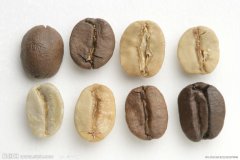
The Plant Classification of Coffee Beans
If you’ve ever wondered why coffee grows best in certain parts of the world or why some beans taste wildly different from others, the answer starts with the plant itself. Understanding the biology and classification of the coffee plant helps explain everything from yield and flavor to ideal growing conditions. This guide breaks down what kind of plant coffee is, how it’s grown, and why only certain types end up in your cup.
Coffee belongs to the Rubiaceae (or madder) family and the genus Coffea. Of over 40 identified coffee species, just three are widely cultivated for global coffee consumption: Arabica, Robusta, and Liberica. These are further divided into cultivated varieties suited to specific climates and elevations.
What Kind of Plant Is Coffee?
Coffee is a tropical evergreen shrub or small tree belonging to the Rubiaceae family, a group known for plants with medicinal properties—like the cinchona tree (source of quinine for malaria) and ipecac (used for dysentery). Within this family, the genus Coffea includes several species, but only a few are used commercially for making the beverage we know as coffee.
Growth Cycle and Physical Characteristics
Coffee plants typically take two to three years to grow to their full height of five to ten metres. However, to make harvesting easier and protect the quality of the beans, farmers usually prune them to a height of 1.5 to 2 metres. The plants begin producing fruit (coffee cherries) three to five years after planting, and remain productive for around twenty years after the fifth year.
The evergreen leaves of the coffee plant are dark green on top and lighter underneath, paired oppositely along the branches. The flowers are pure white, often with five petals (sometimes six or eight), have five stamens and one pistil, and emit a jasmine-like fragrance—but they typically wilt within three to four days. The coffee cherry starts off the same deep green as the leaves, then turns yellow, red, and finally deep red as it ripens.
Anatomy of the Coffee Cherry
The coffee cherry consists of several layers: outer skin, pulp (fruit flesh), parchment (inner skin), silver skin, and finally the seed—or coffee bean—at the centre. Most cherries contain two beans facing each other (known as ‘flat beans’), but about 5% contain just one round bean, called a peaberry or ‘’. These single-bean cherries are sometimes referred to as ‘female beans’ for symmetry, while normal double-seed cherries are termed ‘female beans’ as well. Almost all of the cherry apart from the bean is not used in coffee production.
Cultivated Species and Varieties
There are at least forty species within the Coffea genus, but the three primary cultivated species are:
- Arabica : Grown at higher altitudes, accounts for about 60–70% of global production.
- Robusta : Hardy and more bitter, grown at lower altitudes.
- Liberica : Rare and less common commercially, with a unique flavour profile.
These species are further divided into varieties based on growing conditions, lineage, and cup characteristics. Each variety responds differently to altitude, climate, and processing methods.
The Coffee Belt: Where Coffee Grows Best
The ideal region for coffee cultivation is known as the Coffee Belt or Coffee Zone, located around the Tropics of Cancer and Capricorn. This area offers the perfect combination of factors for growing high-quality coffee: volcanic and nutrient-rich soils, average temperatures around 20°C, annual rainfall between 1,000 and 2,000 mm, and minimal temperature fluctuation throughout the year. Key threats to coffee plants in these regions include frost, cold winds, and dry heat—which can all severely damage or kill coffee trees.

Frequently Asked Questions
What family does the coffee plant belong to?
The coffee plant belongs to the Rubiaceae family, also known as the madder or coffee family. This plant family is known for several species with medicinal uses.
What is the scientific genus of coffee plants?
The genus is Coffea. This genus includes over 40 identified species, but only a few are used for commercial coffee production.
How tall can a coffee plant grow, and why is it pruned?
A coffee plant can grow up to 5–10 metres tall, but is usually pruned to 1.5–2 metres to make harvesting easier and to protect the quality and aroma of the beans.
What are the main parts of a coffee cherry?
A coffee cherry consists of outer skin, pulp, parchment (inner skin), silver skin, and the coffee bean (seed) at the center. Most cherries contain two beans, but some have just one, called a peaberry.
What are the three main cultivated coffee species?
The three main cultivated species are Arabica, Robusta, and Liberica. Arabica is the most widely grown, followed by Robusta, with Liberica being rare in commercial production.
Where is coffee best grown?
Coffee thrives in the Coffee Belt, around the Tropics of Cancer and Capricorn, where conditions include volcanic soils, temperatures around 20°C, 1,000–2,000 mm of rain annually, and minimal temperature variation.
Recommended FrontStreet Coffee Beans for Plant Lovers
Explore the origins of coffee with FrontStreet Coffee’s single-origin offerings. The Ethiopia Yirgacheffe highlights floral and citrus notes typical of high-grown Arabica, while the Colombia Huila offers balanced sweetness with caramel and mild acidity—both grown in the Coffee Belt’s ideal conditions. For something more unique, try the Panama Geisha, known for its complex jasmine and tropical fruit profile. All are grown at high altitudes within the optimal coffee-growing zone. Freshly roasted within 5 days · Orders placed before 17:00 ship the same day · Next-day delivery across most of Guangdong Province.
FrontStreet Coffee is a long-established specialty coffee roaster in Guangzhou China, selling freshly roasted beans from its own farm in Yunnan as well as dozens of carefully selected single-origin beans from around the world for both pour-over and espresso. The products deliver consistently excellent quality and great value, with shipping within 24 hours. Guangzhou's FrontStreet Coffee shop is recommended by many coffee lovers, and the beans are now available online at the Tmall 。
Important Notice :
前街咖啡 FrontStreet Coffee has moved to new addredd:
FrontStreet Coffee Address: 315,Donghua East Road,GuangZhou
Tel:020 38364473