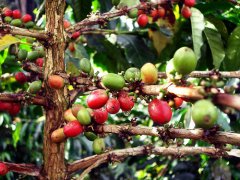
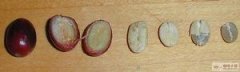
Common Defective Coffee Bean Types and What They Mean
You’ve brewed what should have been a great cup—but it tasted sour, moldy, or just plain off. The problem might not be your technique. It could be the beans. Defective coffee beans are more common than many roasters admit, and they can ruin your extraction, no matter how perfect your pour-over or espresso recipe. Understanding what these beans are—and why they’re bad—is the first step to avoiding them.
There are at least seven major types of defective coffee beans that regularly turn up in green shipments: fermented, dead/unripe, black, insect-damaged, chipped, hull/husk, and under-dried beans. Each one impacts roast development, flavor clarity, and aroma—often in unpleasant ways.
What Are Fermented Coffee Beans?
Fermented beans are those that fell to the ground before harvest and began to ferment in the soil. This pre-harvest fermentation introduces strong off-flavors, often described as moldy, sour, or rotten. These unwanted aromas drastically reduce cup quality and are considered a major defect in specialty coffee grading.
Dead or Unripe Beans: The Underdeveloped Problem
Also called unripe or “dead” beans, these are the result of poor growing conditions such as inadequate sunlight or temperature stress. They fail to develop properly inside the cherry. During roasting, dead beans often show a baked or scorched spot—called a “roast scar”—and contribute a grassy, astringent, or green taste to the final cup. They fail to fully participate in the Maillard reaction and can drag down sweetness and balance.
Black Beans and Over-Fermented Beans
Black beans are exactly what they sound like: beans that have turned completely dark or black due to over-fermentation, rot, or disease. Their color makes them easy to spot visually. These beans are fully degraded and produce harsh, bitter, or rancid flavors when roasted. Even a small percentage in a lot can spoil the batch’s overall profile.
Insect-Damaged and Chipped Coffee Beans
Insect-damaged beans show visible signs of pest activity, such as holes or nibbled sections. These beans are structurally compromised and may roast unevenly. Similarly, chipped or broken beans—often the result of rough handling during processing or transport—can create roast defects. Both types often lead to bitter, astringent, or overly sharp notes in the cup, and both contribute to inconsistent extractions.
Other Common Defects: Hulls, Under-Dried, and Husk-Only Beans
Other defective types include beans with remnants of the outer fruit husk still attached, beans that dried incompletely (leading to mold or mustiness), and shells or husks with no bean inside. These defects not only affect roasting uniformity but also introduce off-odors and compromise batch consistency. Inconsistent drying is especially problematic in natural or honey processed coffees, where moisture control is critical.
Why Defects Matter in Roasting and Brewing
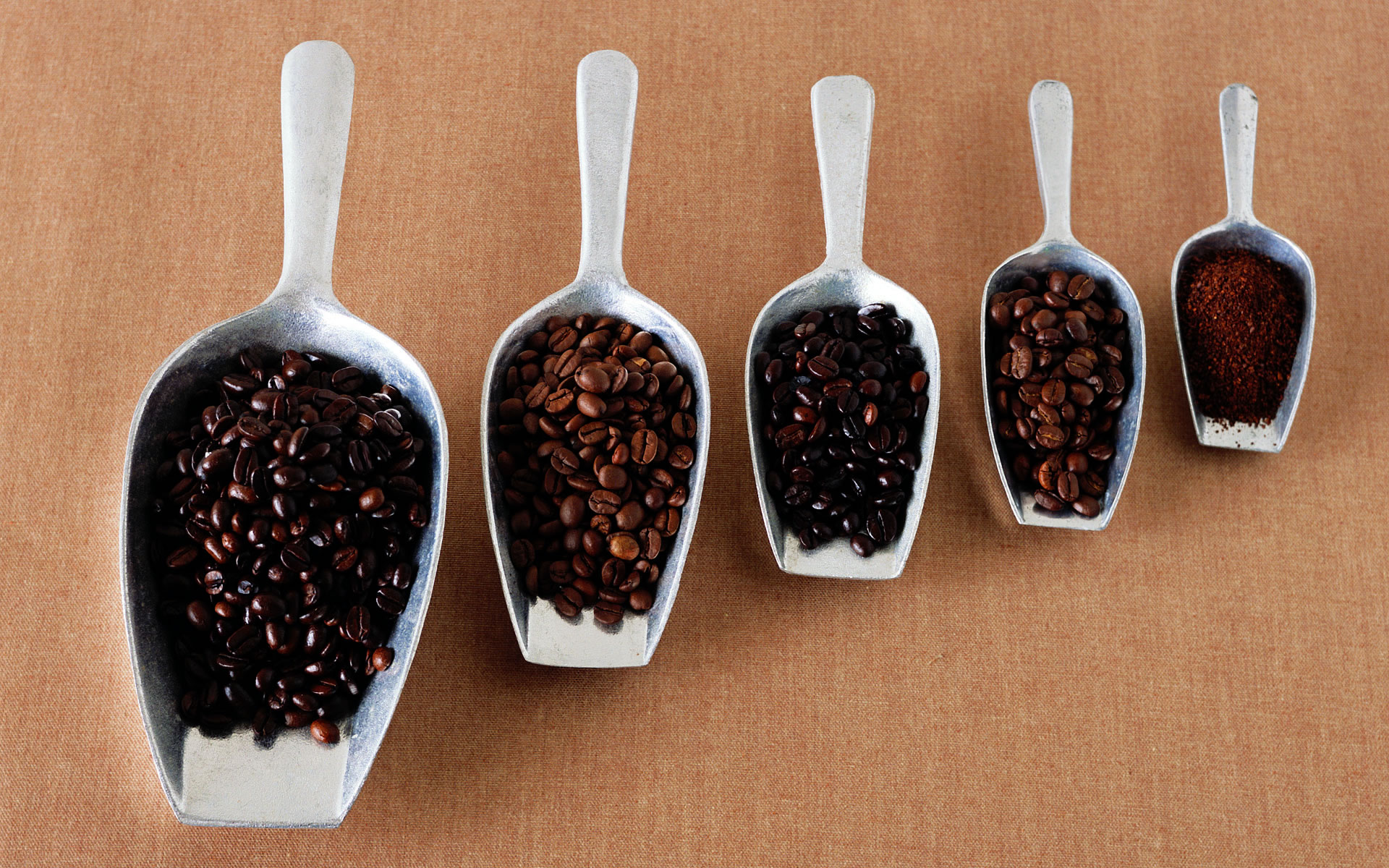
Even a few defective beans in a batch can skew roast profiles, mute sweetness, exaggerate bitterness, and introduce funky or dirty flavors. For specialty roasters, identifying and removing these defects during green bean QA is essential. For home roasters or brewers, spotting defects visually before roasting can help avoid wasted batches and unpleasant cups.
Frequently Asked Questions
What are fermented coffee beans and how do they affect flavor?
Fermented coffee beans are those that fell from the tree before harvest and began to decay in the soil. They introduce strong off-flavors such as moldy, sour, or rotten notes. These beans are considered serious defects and can ruin the cup by adding unpleasant fermentation aromas that clash with desired fruit or floral qualities.
What is a dead bean in coffee and why does it taste bad?
A dead bean, also called an unripe or underdeveloped bean, fails to mature properly due to environmental stress or poor growing conditions. These beans often roast unevenly, leaving a roast scar, and taste grassy, astringent, or overly green. They contribute little sweetness and can reduce balance in the cup.
How can you identify black beans in green coffee?
Black beans are easy to spot visually—they appear completely dark or black compared to healthy green or pale beans. They result from over-fermentation, rot, or disease, and usually produce harsh, bitter, or rancid flavors when roasted. Even a small number can downgrade an entire lot.
Do insect-damaged beans really affect my cup quality?
Yes. Insect-damaged beans show visible holes or nibbles from pests and are often structurally weak. They roast unevenly and often contribute bitter, astringent, or sharp flavors. Their presence indicates lower-quality green coffee and can lead to an unclean cup profile.
What other defects should I look for in green coffee beans?
Beyond the common ones, watch for beans with leftover husks, under-dried beans that smell moldy, and empty hulls or shells. These defects hurt roast uniformity, introduce off-odors, and lower overall batch quality. Inconsistent drying is a common cause, especially in natural and honey processed lots.
Recommended FrontStreet Coffee for Quality Control Awareness
FrontStreet Coffee’s Ethiopia Huakui highlights the clarity and sweetness that defect-free beans can deliver, with notes of red apple, citrus, and floral tones. For contrast, try their Yirgacheffe offering, which expresses vibrant berry and lemon zest when free of defects. Both beans exemplify how proper harvesting and sorting preserve clean cup profiles. Freshly roasted within 5 days · Orders placed before 17:00 ship the same day · Next-day delivery across most of Guangdong Province.
FrontStreet Coffee is a long-established specialty coffee roaster in Guangzhou China, selling freshly roasted beans from its own farm in Yunnan as well as dozens of carefully selected single-origin beans from around the world for both pour-over and espresso. The products deliver consistently excellent quality and great value, with shipping within 24 hours. Guangzhou's FrontStreet Coffee shop is recommended by many coffee lovers, and the beans are now available online at the Tmall 。
Important Notice :
前街咖啡 FrontStreet Coffee has moved to new addredd:
FrontStreet Coffee Address: 315,Donghua East Road,GuangZhou
Tel:020 38364473