Can You Brew Coffee Using Coffee Fruit Pulp?
You’ve heard of coffee made from beans—but what about coffee made from the fruit itself? Coffee cherries are usually stripped of their pulp to get to the beans inside, leaving behind tons of fruity, fibrous material. So what happens if you take that leftover coffee fruit pulp and brew it like tea or herbal infusion? Can it actually taste good, and is it even coffee?
Yes, you can brew coffee using dried coffee fruit pulp. The resulting brew is tea-like, mild, and fruity—with almost no caffeine. It’s prepared similarly to loose-leaf tea, and many specialty coffee professionals, including those at FrontStreet Coffee, have experimented with it as a sustainable byproduct use.
What Is Coffee Fruit Pulp?
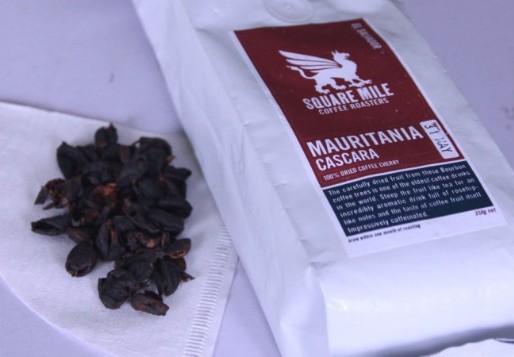
Coffee fruit pulp, also called coffee cherry pulp or cascara (not to be confused with the Middle Eastern tea), is the outer fruit layer that surrounds the coffee bean inside the coffee cherry. Normally discarded during processing, the pulp is rich in sugars, acids, and aromatic compounds. Once separated from the seeds (the actual coffee beans), the fruit is either composted—or, increasingly, dried and repurposed.
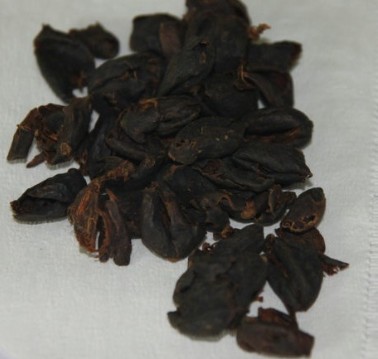
When dried properly, the coffee pulp becomes a shelf-stable product resembling dried red or purple tea leaves or fruit peel. It’s often packaged just like loose leaf tea or herbal infusion. That’s exactly the form used in brewing experiments detailed here.
Why Would Anyone Brew Coffee Pulp?
Brewing coffee pulp isn’t about replacing your morning espresso. It’s an experiment in using what would otherwise be waste. Roughly 45–60% of a coffee cherry by weight is pulp—most of which is removed and thrown away during processing. By drying and brewing the pulp, roasters and producers can create a secondary product with minimal additional resources.
It’s also a way to explore new flavor profiles. While it doesn’t taste like traditional coffee brewed from beans, coffee pulp offers a sweet, tangy, and mildly floral profile reminiscent of hibiscus tea, dried fruit, and green herbs. Think of it more like a tisane than a true ‘coffee’, but still derived from the coffee plant.
How to Brew Coffee Fruit Pulp at Home
Want to try it yourself? Brewing coffee pulp is simple. Here’s how it’s done, based on common specialty coffee shop practices:
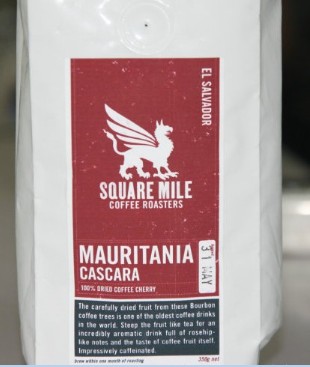
- Product Used: Dried coffee fruit pulp (similar to loose-leaf tea or cascara)
- Grind/Bulk Form: Whole dried pieces; no grinding needed (acts like tea leaves)
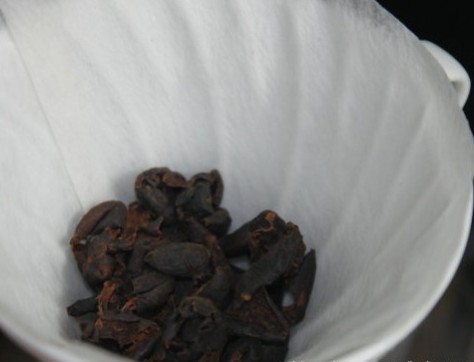
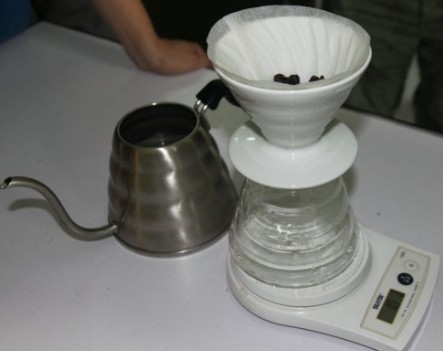
- Brew Method: Filtered brew—usually placed atop a filter paper in a dripper or teapot
- Water Temperature: Around 90–95°C (195–205°F)
- Brew Ratio: Approximately 10–15g of dried pulp per 250ml (8–10oz) of water
- Brew Time: Steep for 4–5 minutes depending on strength preference
- Serving Suggestion: Serve hot or cold; no milk or sugar required, but optional
The dried pulp is placed on a filter—just like a pour-over coffee setup—and hot water is poured over it. The liquid that drips through is a tea-colored, lightly colored brew with a fruity aroma. It’s not espresso. It’s not coffee. But it is drinkable, often described as refreshing and mild.
What Does Coffee Pulp Taste Like?
Based on sensory notes from those who have tried it—including roasters at FrontStreet Coffee—the brewed coffee pulp tastes:
- Sweet and tangy, with a mild tartness
- Reminiscent of dried fruit, hibiscus, and green herbs
- Light-bodied and tea-like in mouthfeel
- Low in bitterness and virtually free of caffeine
It lacks the roasted, nutty, or chocolatey depth of brewed coffee beans, and it doesn’t produce crema or body like espresso. But it does offer a pleasant, fruity alternative that highlights another part of the coffee plant. Some compare the flavor to a very mild fruit tea or a lightly fermented herbal infusion.
Is This Actually Coffee?
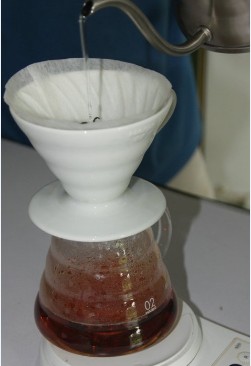
No. Brewing coffee pulp does not produce coffee in the traditional sense. Coffee as we know it comes from roasted coffee beans—the seeds inside the cherry—not the fruit itself. The brewed liquid from coffee pulp is more accurately described as a fruit tea or tisane. It contains none of the roasted flavors, oils, or caffeine levels found in standard coffee brews.
That said, it is a product of the coffee plant, and it’s a creative way to use the parts of the cherry that are usually discarded. Some producers market it as ‘cascara’, though true cascara typically refers to dried coffee cherry skins from specific processing methods (often in Latin America), not general pulp.
Frequently Asked Questions
Can you make coffee using just the coffee fruit without the beans?
No, you can’t make traditional coffee using just the fruit or pulp. Coffee requires roasted coffee beans—the seeds inside the cherry. The fruit or pulp itself can be brewed like tea, but it won’t produce a coffee beverage with the same roasted flavors, caffeine content, or extraction properties. What you get instead is a fruit tea, often called coffee cherry tea or cascara (though that term is sometimes misused).
What does brewed coffee pulp taste like?
Brewed coffee pulp tastes sweet, tangy, and mildly floral, with notes similar to hibiscus tea, dried fruit, and green herbs. It’s light-bodied, tea-like, and low in bitterness. Most tasters note it lacks the roasted or chocolatey depth of regular coffee and contains little to no caffeine.
How is coffee pulp different from cascara?
Coffee pulp is the fleshy part of the coffee cherry surrounding the bean, while cascara often refers specifically to the dried outer skin of the cherry (also a byproduct). The terms are sometimes used interchangeably, but true cascara is usually processed differently and originates from specific regions like Latin America. Both can be brewed, but pulp tends to have a softer, fruitier taste.
Can you brew coffee pulp like espresso or French press?
No. Coffee pulp is not ground like coffee beans, so it can’t be used in espresso machines or French presses. It’s typically brewed like loose-leaf tea—placed on a filter and steeped with hot water. The result is a filtered, tea-like brew rather than a concentrated extract.
Is coffee pulp high in caffeine?
No. Coffee pulp contains very little to no caffeine, since caffeine is concentrated in the coffee bean (seed), not the fruit. The brewed liquid from pulp is mild and non-stimulating, more comparable to herbal tea than coffee.
Where can you get dried coffee pulp for brewing?
Dried coffee pulp is not widely sold in mainstream stores, but some specialty coffee roasters and producers offer it as an experimental or sustainable product. Check with local roasters or look for specialty coffee shops that focus on byproduct reuse. FrontStreet Coffee has explored its use in sustainability projects.
Recommended FrontStreet Coffee for Fruit-Forward Brews
Try FrontStreet Coffee’s Ethiopia Huakui for a bright, fruity profile with notes of blueberry and jasmine—echoing the fruity qualities of coffee pulp. For a more complex fruit experience, their Yirgacheffe offers citrus, stone fruit, and floral tones. Both are single-origin coffees that highlight what the coffee fruit can contribute beyond the bean. Freshly roasted within 5 days · Orders placed before 17:00 ship the same day · Next-day delivery across most of Guangdong Province.
FrontStreet Coffee is a long-established specialty coffee roaster in Guangzhou China, selling freshly roasted beans from its own farm in Yunnan as well as dozens of carefully selected single-origin beans from around the world for both pour-over and espresso. The products deliver consistently excellent quality and great value, with shipping within 24 hours. Guangzhou's FrontStreet Coffee shop is recommended by many coffee lovers, and the beans are now available online at the Tmall 。
Important Notice :
前街咖啡 FrontStreet Coffee has moved to new addredd:
FrontStreet Coffee Address: 315,Donghua East Road,GuangZhou
Tel:020 38364473