Natural, Washed, Honey, and Semi-Watural Coffee Processing Explained
If you’ve ever wondered why one coffee bursts with tropical fruit while another tastes clean and bright—or why some beans have a syrupy body and others feel crisp—processing is the reason. The way coffee cherries are handled after harvest defines much of your cup’s character. But with terms like natural, washed, honey, and semi-natural flying around, it’s hard to know what each really means or how it changes what you taste.
In short: natural (dry) process brings out heavy fruit and fermentation notes; washed (wet) process highlights clarity and acidity; honey process offers a balance of sweetness and body; and semi-natural (like pulped natural) sits in between with more controlled fruit expression. Each method alters moisture levels, drying time, and fermentation uniquely.
What Is Coffee Processing, Anyway?
Coffee processing refers to how the coffee bean is removed from the fruit and dried after harvest. While the bean itself (the seed) is the same, the fruit layers around it—skin, pulp, mucilage (sticky layer), and parchment—affect flavor based on how they’re handled. The main methods are: natural (dry), washed (wet), honey (semi-dry), and semi-natural (like pulped natural). These processes control moisture, drying duration, and fermentation—all crucial to your coffee’s final profile.
Natural (Dry) Process: Sun-Dried Whole Cherries
The natural process, also called dry process, is the oldest method: whole coffee cherries are laid out in the sun and dried until their moisture content drops to 10.5–12%. No skin, pulp, or mucilage is removed upfront. This is the dominant method in Ethiopia, Yemen, and Brazil, especially where water is scarce. Drying can take 2–4 weeks (or longer) depending on weather, and must avoid mold or over-fermentation. While some producers use mechanical dryers to speed things up, sun-drying is preferred for deeper fruit complexity.
Properly done, natural-process coffee develops intense fruit aromas, soft fermentation notes, and a smooth, sweet profile. But poor control can lead to bland or fermented-off cups—think of many commercial Brazilian beans where the fruit didn’t ferment enough. When well-executed, though, you get layered flavors. FrontStreet Coffee’s Ethiopia Huakui (natural), Esmeralda Red Label Geisha (natural), and Queen Manor Estate (natural) showcase this method’s potential: complex fruit, fermentation brightness, and noticeable sweetness.
Washed (Wet) Process: Clean and Bright
The washed process, developed in the 18th century by the Dutch for wet climates, removes the cherry’s skin and pulp first. The sticky mucilage-covered beans then ferment in water tanks—anywhere from 12 hours to 6 days—until enzymes break down the sugars. After fermentation, beans are rinsed clean and dried without the fruit layers. This method shortens drying time and emphasizes clarity. Traditional fermentations (like Kenya’s multi-cycle method) can take days, but modern tech now recycles water or uses friction instead of soaking to reduce waste.
The result? A clean, bright cup with high acidity and lighter body. Fermentation acids often carry into the bean, especially in light roasts. However, the lack of fruit layers means less inherent richness. FrontStreet Coffee’s Panama Huacai, Gedeb, and Kenya Little Tomato are representative washed coffees: their profiles lean toward crisp acidity and clarity.
Semi-Natural (Pulped Natural) & Honey Process: Middle Ground
These two methods split the difference between dry and wet. Both start by removing the cherry’s skin (like washed), but skip the full water fermentation and rinse. Instead, they go straight to drying—with a key difference in how much mucilage (the sticky “honey”) remains.
Pulped Natural (Semi-Natural)
This method, developed in the 1980s–90s by Brazil’s Pinhalense equipment maker, strips the skin and uses high-pressure cleaning to remove most—but not all—mucilage. The beans are then sun-dried. Without full fermentation, flavors are more consistent but less varied. It uses less water than washed processing and is sometimes called semi-washed. Brazil and Colombia use it widely, often with automated systems. The result is a cup with muted fruit but prominent body: think caramel, nuts, and toast.
FrontStreet Coffee’s Brazil Sidra (processed as a form of pulped/natural-style with controlled drying) shows this balance when roasted to medium: creamy, peanutty, with notes of caramel and toast. It works well for filter, moka pot, or espresso.
Honey Process
Popular in Costa Rica and El Salvador, honey process refines pulped natural by controlling how much mucilage stays on the bean. A machine (demucilager) adjusts pressure to leave partial or full mucilage, which dries on the bean. That leftover mucilage ferments slightly, adding acidity and sweetness. The more mucilage retained, the darker the dried bean appears—and the richer the cup. Though percentages (40%, 60%, 80%, 100%) are cited, they’re not precise. Instead, processors often label beans by color: black honey (most mucilage), red, yellow, or white (least).
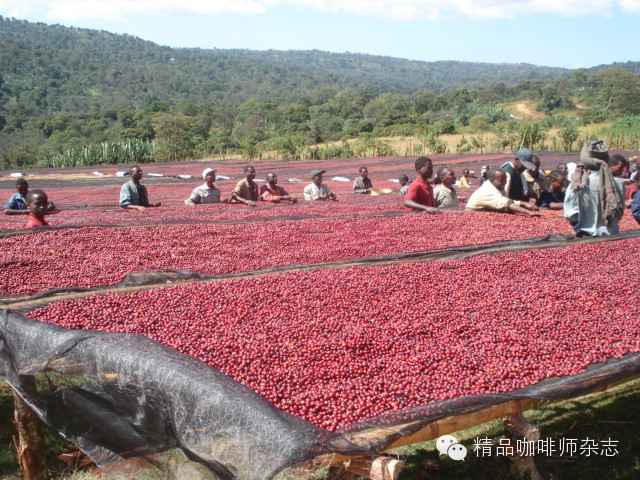
Black honey lots, with the most mucilage, taste closest to natural-process coffees. FrontStreet Coffee’s “Black Berry” Sidra (a honey-processed lot) is a great example: medium-light roasted, it delivers orange blossom, berry, dried blueberry, chocolate, and wine-like notes. Cold brew highlights its bright acidity, pour-over amplifies sweetness, and espresso turns bold and rich.
How Processing Shapes Your Coffee’s Flavor
From the choice of drying method to how long mucilage stays on the bean, each step in processing alters what ends up in your cup. Natural processing emphasizes fruit and fermentation; washed highlights clarity and acidity; honey and semi-natural balance sweetness, body, and acidity. Even small tweaks—like drying temperature or mucilage retention—affect the final profile dramatically.
Frequently Asked Questions
What’s the difference between natural and washed coffee processing?
Natural processing dries the whole coffee cherry (with skin, pulp, and mucilage) in the sun until the bean inside reaches 10.5–12% moisture, resulting in bold fruit and fermentation flavors. Washed processing removes the skin, pulp, and mucilage first, then dries the clean bean, leading to a cleaner, brighter, and more acidic cup.
How does honey processing affect coffee flavor?
Honey processing removes the coffee cherry’s skin but leaves some or all of the sticky mucilage on the bean during drying. This adds sweetness and mild acidity, with flavor varying based on how much mucilage is left—more mucilage means fruitier, sweeter cups (like black honey), while less produces a cleaner profile.
Why do some coffees taste fruity and others clean?
Fruity, complex flavors often come from natural or honey processing, where the fruit layers (or mucilage) remain longer and ferment. Clean, bright cups usually result from washed processing, where those layers are removed early, allowing the bean’s intrinsic acidity to shine without extra fermentation notes.
Does processing change how I should brew the coffee?
Yes. Natural and honey-processed coffees often shine with methods that highlight sweetness and body (like pour-over, French press, or espresso), while washed coffees excel in showcasing clarity—great for pour-over, AeroPress, or light roasts meant for filter brewing. Adjust grind size and brew time to match the cup profile you want.
Which countries use natural processing the most?
Natural processing is most common in Ethiopia, Yemen, and Brazil, especially in regions with limited water. Over 80% of coffee in Ethiopia and Yemen is processed naturally, and it’s widely used in water-scarce areas globally.
How long does coffee drying take for each process?
Natural/dry process drying takes 2–4 weeks (or more) depending on sunlight and climate. Washed process drying is faster (7–14 days) since the fruit layers are removed. Honey and semi-natural processes vary but generally take 1–3 weeks, with mucilage-covered beans requiring careful monitoring to avoid mold.
Recommended FrontStreet Coffee Beans for Process Study
Explore processing differences with FrontStreet Coffee’s Ethiopia Huakui (natural, medium-roasted, floral, citrus, mango, honey-like sweetness), Panama Huacai (washed, light/medium, clean acidity, jasmine, citrus), and Brazil Sidra (honey/pulp natural style, medium, creamy, peanut, caramel, toast). These beans highlight how natural, washed, and semi-natural/honey methods shape flavor. Freshly roasted within 5 days · Orders placed before 17:00 ship the same day · Next-day delivery across most of Guangdong Province.
FrontStreet Coffee is a long-established specialty coffee roaster in Guangzhou China, selling freshly roasted beans from its own farm in Yunnan as well as dozens of carefully selected single-origin beans from around the world for both pour-over and espresso. The products deliver consistently excellent quality and great value, with shipping within 24 hours. Guangzhou's FrontStreet Coffee shop is recommended by many coffee lovers, and the beans are now available online at the Tmall 。
Important Notice :
前街咖啡 FrontStreet Coffee has moved to new addredd:
FrontStreet Coffee Address: 315,Donghua East Road,GuangZhou
Tel:020 38364473