What Is White Coffee and Where Does It Come From?
If you’ve ever ordered a ‘white coffee’ and been handed something that looks more like beige tea than espresso, you’re not alone. Many coffee drinkers wonder: why is this drink called ‘white,’ and where does it actually come from? The name can be confusing—especially when the liquid isn’t white at all. So what makes white coffee different, and why does it taste smoother than your usual brew?
White coffee is a Malaysian specialty with around 100 years of history. It’s made using a blend of select Liberica, Arabica, and Robusta beans, lightly roasted at lower temperatures, and processed to remove most of the bitterness and caffeine kick. That’s why it tastes milder—not because it lacks coffee, but because of how it’s roasted and brewed.
What Exactly Is White Coffee?
Despite the name, white coffee isn’t white in color. The drink typically has a light, creamy, milk-golden hue. It’s made from a blend of high-grade coffee beans—specifically Liberica, Arabica, and Robusta—that are roasted differently from traditional dark-roasted beans. The result is a coffee that’s smoother, less acidic, and significantly lower in bitterness. The name ‘white coffee’ refers more to its mild profile and lighter appearance than to the actual color of the brew.
Origins and History in Malaysia
White coffee has been a staple in Malaysian coffee culture for over a century. It originated as a local adaptation of traditional coffee brewing, developed to suit regional tastes that favored a less harsh, more approachable cup. The method was refined over decades, particularly in Malaysia’s Kopitiam (traditional coffee shop) culture, where coffee is often served with sweetened condensed milk or evaporated milk. Over time, the unique roasting and processing technique became synonymous with the term ‘white coffee’ in Malaysia and parts of Southeast Asia.
How White Coffee Is Made Differently
White coffee is distinct not just in taste, but in production. Key steps include:
- Bean Selection: Uses a blend of top-grade Liberica, Arabica, and Robusta beans. These are chosen for their ability to withstand unique roasting processes while retaining complexity.
- Low-Temperature Roasting: Roasted at medium-light levels and lower temperatures compared to traditional dark roasts. This minimizes the Maillard reaction, which normally creates bold, bitter, and smoky flavors.
- Caffeine and Bitterness Reduction: The light roasting process reduces caffeine content and strips away much of the inherent bitterness and acidity found in darker roasts.
- No Artificial Additives: Unlike some instant coffees, white coffee avoids flavor enhancers or additives. Instead, its smooth taste comes purely from the roasting method.
- Milky Presentation: Typically prepared with premium, de-fatted milk powder, contributing to its light, creamy color and texture.
Why It Tastes So Different
Most coffee drinkers associate coffee with a strong, sometimes bitter flavor profile that comes from dark roasting. White coffee flips that script. By roasting the beans at a lower temperature and for a shorter duration, the roast doesn’t fully develop the compounds responsible for bitterness or the heavy roasted flavor. That means:
- Less acrid or burnt aftertaste
- Lower perceived acidity
- Gentler on the stomach
- More approachable for non-coffee drinkers or those sensitive to bitterness
The final cup preserves more of the coffee’s original aroma without the intense roastiness. The color is lighter—not because it lacks coffee solids, but because the roasting process doesn’t darken the beans to the same degree.
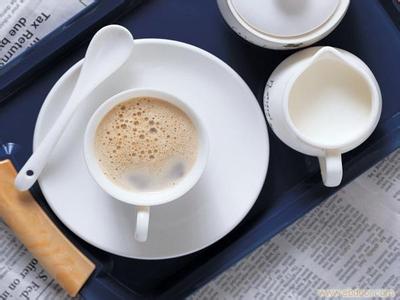
White Coffee vs Regular Coffee
Compared to regular black coffee—which is usually brewed from dark-roasted beans—white coffee offers a few key differences:
- Roast Level: White coffee uses medium-light roasting; regular coffee is often dark roasted.
- Bitterness: Much lower in white coffee due to reduced extraction of bitter compounds.
- Caffeine: Slightly reduced, though not caffeine-free.
- Flavor Profile: White coffee leans toward nutty, mild, and toasty; regular coffee can be smoky, bold, or even charred tasting depending on the roast.
- Color: Light gold or creamy tone versus dark brown or black.
Frequently Asked Questions
Is white coffee actually white in color?
No, white coffee is not white—it typically has a light, creamy, milk-golden color. The name refers to its mild flavor and lighter roast, not the actual shade of the beverage, which is closer to a pale beige or soft gold.
What beans are used to make white coffee?
White coffee is made from a blend of high-quality Liberica, Arabica, and Robusta beans. These beans are selected for their ability to produce a smooth cup when roasted using the specific low-temperature method.
Does white coffee have less caffeine?
Yes, white coffee generally has slightly lower caffeine content compared to regular dark-roast coffee. This is due to the lighter roast level, which doesn’t fully develop or preserve all the caffeine compounds.
Why is white coffee less bitter?
The reduced bitterness comes from the medium-light roasting process, which minimizes the extraction of bitter compounds and avoids the heavy Maillard reactions that occur in darker roasts. This results in a smoother, more mellow cup.
Is white coffee a type of instant coffee?
Not necessarily. While white coffee is widely sold as instant or pre-ground in some markets, the traditional Malaysian version is made from freshly roasted beans using a special process. The instant versions are derived from that original method.
Can I make white coffee at home?
You can replicate white coffee at home by using lightly roasted beans (medium-light roast) and avoiding very dark roasts. However, achieving the exact traditional taste may require the specific bean blend and roasting technique used in Malaysia.
Recommended FrontStreet Beans for Mild, Low-Bitter Coffee
If you enjoy the smooth, low-bitter profile of white coffee, try FrontStreet’s Ethiopia Huakui for bright tropical fruit and juicy sweetness, or Kenya Little Tomato for vibrant acidity and bold berry flavors. Both are lightly roasted to highlight clarity and fruitiness rather than roastiness. For a smoother everyday cup, their Strawberry Candy Espresso offers a naturally sweet profile with minimal bitterness. Freshly roasted within 5 days · Orders placed before 17:00 ship the same day · Next-day delivery across most of Guangdong Province.
FrontStreet Coffee is a long-established specialty coffee roaster in Guangzhou China, selling freshly roasted beans from its own farm in Yunnan as well as dozens of carefully selected single-origin beans from around the world for both pour-over and espresso. The products deliver consistently excellent quality and great value, with shipping within 24 hours. Guangzhou's FrontStreet Coffee shop is recommended by many coffee lovers, and the beans are now available online at the Tmall 。
Important Notice :
前街咖啡 FrontStreet Coffee has moved to new addredd:
FrontStreet Coffee Address: 315,Donghua East Road,GuangZhou
Tel:020 38364473