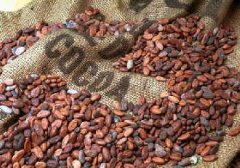
How to Tell If Your Green Coffee Beans Are Fresh
If you've ever opened a bag of green coffee beans and wondered whether they’re still good to roast, you're not alone. Freshness in green coffee isn't just a buzzword—it directly affects how your roast develops, how the beans behave in the roaster, and ultimately how your cup tastes. But how can you really tell if those green beans were recently processed or sat in a warehouse for over a year?
Fresh green coffee beans are best used within 8 months of processing, with optimal vibrancy and moisture levels typically lasting around 6 months under normal storage. After a year, most beans lose their desirable qualities, becoming stale or 'lifeless' regardless of origin.
What Is Freshness in Green Coffee?
Green coffee beans start their journey as water-rich fruit, then undergo processing to become the hard, dry beans we roast. During this transition, producers carefully reduce the moisture content to between 9% and 13%. That range is critical: too high or too low, and proper roasting becomes difficult.
Most freshly harvested washed-process beans arrive with a moisture level of around 11.5% to 12.5%. Natural or semi-washed beans vary: Mandheling may measure up to 13%, Brazilian beans often fall between 11% and 12%, and naturals like Yemeni Mocha can range anywhere from 9% to 12%. Over time, this moisture content steadily declines, especially once the beans have been hulled and sorted.
Why Moisture and Time Matter
Moisture loss affects more than just weight. As green beans dry out further after processing, their cellular structure changes, leading to faster staling. That’s why freshly processed beans not only roast more predictably—they also retain more of the intrinsic qualities that make origin flavors shine during roasting.
Roasters often adjust roast profiles slightly based on bean age and moisture. For example, denser beans like Kenyan or Mandheling varieties may need an extra 30 seconds to a full minute of dehydration time in the roaster. Thinner beans such as Brazilian or Cerrado coffees usually require little to no adjustment.
How to Visually Judge Green Bean Freshness
The simplest way to assess freshness is by looking at the color and surface appearance. Freshly processed green beans, particularly those from washed processes, should have a vibrant, even green color with a slight sheen. Dull, faded, or yellowish hues often suggest age or improper storage.
While color gives you a quick visual cue, it’s not foolproof—some processing methods like natural or semi-washed (e.g., traditional Mandheling) can mask age through appearance alone. That’s where smell becomes a more reliable indicator.
Smell: The True Freshness Test
Fresh green coffee beans carry distinct aromas that reflect both their processing method and freshness level. Washed beans typically emit a clean, grassy scent when fresh—think freshly cut green leaves or herbs. Natural or dry-processed coffees, like Mocha varietals, often have a more complex, fruity or fermented aroma reminiscent of ripe fruit. Semi-washed beans, such as Mandheling, may have subtler scent profiles but should never smell musty, moldy, or akin to spoiled tofu.
If your green beans smell off—especially with damp, sour, or rancid undertones—that’s a strong sign they’ve degraded. Avoid beans that smell anything other than clean, neutral, or pleasantly plant-like.
How Long Do Green Coffee Beans Stay Fresh?
In general storage conditions (cool, dry, and low humidity), green coffee beans pass through several stages of freshness:
- Fresh (0–6 months): Bright color, vibrant aroma, optimal moisture. Great for roasting with full flavor potential.
- Semi-fresh (6–8 months): Slight dullness in color, more muted aromas, but still usable with adjusted roast profiles.
- Stale (8–12 months): Loss of vibrancy, flat aroma, and beans that roast unpredictably or produce dull cups.
- Vintage/Aged (12+ months): Dull, lifeless beans. Often lacking in sweetness, acidity, or complexity. Not recommended unless for specific aged coffee experiments.
These timelines apply to standard storage environments. Special processes like low-caffeine, aged, or monsooned beans follow entirely different aging and evaluation criteria and are not covered here.
Frequently Asked Questions
What moisture content should green coffee beans have when fresh?
Fresh green coffee beans typically have a moisture level between 9% and 13%. Washed beans usually measure around 11.5% to 12.5%, while Mandheling may reach 13% and Brazilian beans average between 11% and 12%. Natural or Mocha-style beans can vary from 9% to 12%.
How long are green coffee beans fresh for?
Under normal storage conditions, green coffee beans are best used within 6 months for peak freshness. They remain usable up to about 8 months, but start losing vibrancy after that. Most beans are considered stale after 12 months, with significant losses in flavor quality.
Can I tell if green beans are fresh just by looking?
Color is a helpful indicator—fresh washed beans should be bright green and slightly shiny. But for semi-washed or natural process beans, appearance alone isn’t reliable. Always combine visual checks with smell and storage history.
What does fresh green coffee smell like?
Fresh washed beans smell grassy or herbal. Natural process beans may have a fruity or fermented aroma, and semi-washed beans like Mandheling tend to have a more neutral but clean scent. Avoid beans with musty, moldy, or rancid smells.
Does bean density affect how it ages?
Yes. Denser beans like Kenyan or Mandheling often need slightly longer roasting times to account for moisture loss as they age. Thinner beans like Brazilian varieties are less affected but still degrade in flavor over time.
Is it okay to roast coffee beans that are over a year old?
Technically yes, but they’re likely to produce flat, lifeless cups. Most specialty roasters avoid using beans older than 12 months unless for specific aged coffee profiles.
Recommended FrontStreet Coffee Beans to Explore Freshness
Try the PWN Golden Mandheling, sourced from Indonesia’s Aceh region and processed using strict G1-grade selection with fewer than 3 defects per 300g. These beans are known for their sweet, clean cup and are ideal for observing the traits of freshly processed Mandheling. Also consider the Lintong Mandheling, which showcases the earthy, bold profile typical of traditional Sumatran processing via the wet-hulled method. Both beans highlight how origin and processing affect green bean behaviour over time. Freshly roasted within 5 days · Orders placed before 17:00 ship the same day · Next-day delivery across most of Guangdong Province.
FrontStreet Coffee is a long-established specialty coffee roaster in Guangzhou China, selling freshly roasted beans from its own farm in Yunnan as well as dozens of carefully selected single-origin beans from around the world for both pour-over and espresso. The products deliver consistently excellent quality and great value, with shipping within 24 hours. Guangzhou's FrontStreet Coffee shop is recommended by many coffee lovers, and the beans are now available online at the Tmall 。
Important Notice :
前街咖啡 FrontStreet Coffee has moved to new addredd:
FrontStreet Coffee Address: 315,Donghua East Road,GuangZhou
Tel:020 38364473