How Fresh Are Your Green Coffee Beans?
Ever wondered why some coffees pop with vibrant fruit notes while others taste flat or stale? The answer often starts long before roasting—at the green bean stage. Whether you’re a home roaster or a shop buyer, knowing when your beans are at their best makes all the difference in what ends up in your cup.
Fresh green coffee beans—those harvested and processed within a few months—deliver the most vibrant, lively flavors. Beans remain in prime condition for around 4 to 8 months post-processing, after which they gradually lose their vibrancy. Beyond a year, they become dull and muted. But these timelines depend on processing method and storage conditions.
What “Fresh” Means for Green Coffee
Freshness in green coffee isn’t just about time—it’s about how the beans were handled after harvest. Right after being picked, coffee cherries are processed to remove the fruit and mucilage, leaving just the seed or “bean.” These beans are then dried to a specific moisture level to prepare them for storage and roasting.
Moisture Content: Why It Matters
The moisture level of green coffee is carefully controlled during processing, typically between 9% and 13%. Too high or too low, and proper roasting becomes difficult. Most freshly processed washed coffee beans have a moisture content of around 11.5% to 12.5%. Semi-washed Mandheling beans may reach 13%, while Brazilian naturals often fall between 11% and 12%. Natural process Yemeni-style (Mocha) beans vary more widely, anywhere from 9% to 12%. Over time, this moisture level naturally declines, especially once the beans have been hulled or polished.
How Bean Processing Affects Freshness Clues
Different processing methods change how you assess bean freshness:
- Washed (or wet-processed) beans: When fresh, these usually have a bright, vivid green color and a grassy, clean aroma. Most washed beans, if truly fresh, should look distinctly green and lively.
- Semi-washed (like Mandheling): These may be harder to judge by appearance alone, but their scent can still offer clues.
- Natural or dry-processed beans (like some Mocha types): These often have a more fermented, fruity aroma when fresh, resembling ripe fruit. A lack of foul or rancid odors is a good sign.
One red flag across all types: avoid beans that smell musty, moldy, or like rotten tofu—that indicates age or improper storage.
Visual and Aromatic Signs of Freshness
You don’t need a lab to judge green bean freshness. Two simple indicators are:
- Color: Fresh beans typically have a vibrant, even green color with a slight sheen. Most washed beans, when fresh, are distinctly lively green.
- Smell: Freshness also comes through the nose. Washed beans should smell clean and grassy. Natural process beans may give off a fermented, fruity scent. Avoid any smell resembling mildew, rancidity, or ‘stinky tofu’—a clear sign the beans are past their prime.
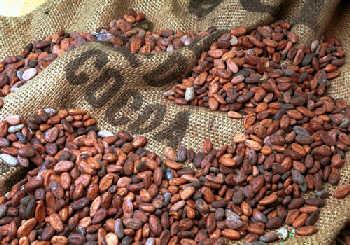
How Roast Freshness Affects Your Outcome
When roasting fresh green beans—especially those within a few months of processing—you’ll often notice the need for slightly extended drying phases during the roast. This is particularly true for denser beans such as Kenyan or Mandheling, which may require an extra 30 seconds to 1 minute in the initial drying stage. Thinner beans, like Cerrado or Brazilian varieties, usually don’t need as much adjustment.
Freshness Timeframe: What to Expect
In general storage conditions (not vacuum-sealed or frozen), green coffee follows this rough flavor lifespan:
- 0–4 months: Very fresh, vibrant, full of potential—great for highlighting origin characteristics.
- 4–8 months: Still very good, with perhaps a bit more stability and subtle mellowing.
- 8 months–1 year: Noticeable decline in vibrancy; flavors begin to flatten.
- 1 year or more: Dull, lifeless, and often unpleasant—lacks the energy that makes specialty coffee exciting.
These timelines apply to normally processed and stored beans. Special processes like decaffeination, aging , or monsooning follow different rules and are a whole separate category of flavor development.
Frequently Asked Questions
What is the ideal moisture content for green coffee beans?
Ideal moisture content for green coffee is between 9% and 13%. Most freshly processed washed beans fall in the 11.5% to 12.5% range. Mandheling may reach 13%, Brazilians are typically 11%–12%, and Yemeni-style naturals range from 9% to 12%. These levels are critical for proper roasting and flavor development.
How can you tell if green coffee beans are fresh?
Fresh green beans usually have a bright, even green color and a clean, grassy aroma (for washed beans). Natural process beans may smell fruity or fermented. Avoid beans with musty, moldy, or rancid odors, and discard any that look faded or dull.
Does bean processing method affect how you judge freshness?
Yes. Washed beans are best judged by their vibrant green color and grassy smell. Natural beans rely more on aroma—look for ripe fruitiness without off smells. Semi-washed beans like Mandheling may need more reliance on aroma cues.
How long do green coffee beans stay fresh?
Under normal storage, green coffee is best used within 4 to 8 months for peak vibrancy. Beans remain usable up to a year but start losing brightness after 8 months. After a year, they tend to taste dull and lifeless.
Do denser coffee beans need different roasting adjustments for freshness?
Yes. Denser beans such as Kenyan or Mandheling often require a longer initial drying phase during roasting—typically an extra 30 seconds to 1 minute. Thinner beans like Brazilian varieties need less adjustment.
What does stale green coffee smell or look like?
Stale or old green coffee often looks faded in color and may smell musty, moldy, or like rotten tofu. Fresh beans should never have those off-odors and should maintain a lively appearance.
FrontStreet Coffee Beans Ideal for Freshness Exploration
Try FrontStreet’s Ethiopia Yirgacheffe for bright, floral washed-process notes, or their Colombia Huila for balanced acidity and fruit. Both highlight what fresh green beans can deliver. For a deeper experience, their Brazil Fazenda Sertãozinho shows how even naturals express differently when fresh. All showcase the impact of proper processing and timing. Freshly roasted within 5 days · Orders placed before 17:00 ship the same day · Next-day delivery across most of Guangdong Province.
FrontStreet Coffee is a long-established specialty coffee roaster in Guangzhou China, selling freshly roasted beans from its own farm in Yunnan as well as dozens of carefully selected single-origin beans from around the world for both pour-over and espresso. The products deliver consistently excellent quality and great value, with shipping within 24 hours. Guangzhou's FrontStreet Coffee shop is recommended by many coffee lovers, and the beans are now available online at the Tmall 。
Important Notice :
前街咖啡 FrontStreet Coffee has moved to new addredd:
FrontStreet Coffee Address: 315,Donghua East Road,GuangZhou
Tel:020 38364473