How to Make Coffee Cookies That Are Crispy, Easy to Pipe, and Beautiful
If you’ve ever tried to make coffee cookies at home and ended up with a dough that’s too stiff to pipe, cookies that spread too much, or a flavor that just doesn’t pop, you’re not alone. Making great coffee cookies isn’t just about adding coffee—it’s about balancing fat, flour, and technique to get that crisp-chewy texture, stable piped shape, and rich coffee flavor everyone loves.
To make delicious, crisp coffee cookies, the fat should make up 70–90% of the flour weight—most recipes land around 70%. Too much water or improper handling can ruin the texture, so keep everything cool, low-hydration, and move quickly once the dough is mixed.
Why Fat Ratio Matters for Crisp, Flakey Cookies
The single biggest factor in whether your coffee cookies turn out crisp and flavorful—or dry and tough—is the amount of fat in the dough. Traditional cookie recipes call for 70% fat relative to the weight of the flour, and some go up to 90%. This high fat content ensures a tender, flaky, melt-in-your-mouth texture.
Flour develops gluten when it comes into contact with water, which leads to chewiness or toughness. In cookies, we want to avoid that. Using low-protein flour like cake or low-gluten flour helps, but the real trick is keeping water content low. Many recipes replace water with milk or eggs, but even those should be used sparingly. More liquid means more gluten development, and that means less crispness.
Getting the Dough to Pipe Smoothly
Piping cookies evenly and beautifully depends on getting the dough consistency just right. If your cookie dough is too stiff, it won’t come out of the piping bag cleanly. If it’s too soft, it won’t hold its shape and may collapse in the oven.
The ideal dough has a balance: the combined weight of flour and other dry ingredients should be roughly equal to the total weight of fats (like butter and oil) and liquids (like coffee and eggs). Too much liquid makes piping difficult and leads to spreading. But if the dough is too fatty or loose, it won’t hold the shape of the piping tip, and cookies can lose definition while baking.
Temperature also plays a big role. Butter should be softened to around 20°C (68°F)—cold butter won’t cream properly and can seize in the mixer. Likewise, any liquid ingredients like coffee or eggs should also be around 20°C to maintain a smooth, pipeable consistency. In this recipe, both the plant oil and brewed coffee are heated to 20°C for easier mixing.
Step-by-Step: How to Make Coffee Cookies
This recipe yields about 80 small cookies using the following ingredients:
- 200g low-gluten flour (pre-sifted)
- 80g powdered sugar (not granulated)
- 65g unsalted butter
- 65g salad (vegetable) oil
- 1g salt
- 50g coffee (1g coffee brewed with 50g water)
- Liqueur-soaked dried cranberries (optional, for decoration)
1. Prep Your Ingredients
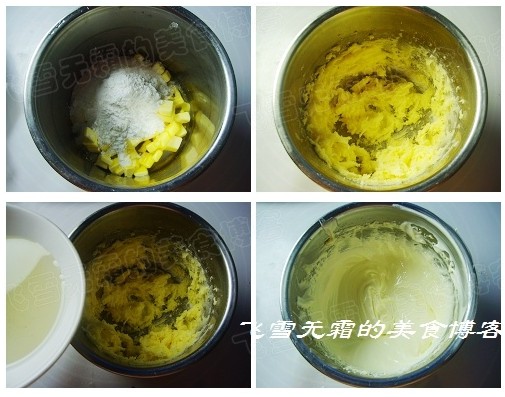
Cut the butter into small cubes and let it soften at room temperature until it reaches about 20°C. Sift the flour in advance—this prevents temperature drops once you start mixing, which could lead to unwanted gluten formation.
2. Cream the Butter and Sugar
In a mixing bowl, combine the softened butter with powdered sugar and salt. Mix briefly by hand to prevent powder from flying, then use an electric mixer to beat until light and fluffy.
3. Emulsify the Oil
Slowly add the salad oil in portions while mixing. Proper emulsification creates a lighter, airier cookie. Continue until fully incorporated and the mixture looks uniform.
4. Add the Coffee
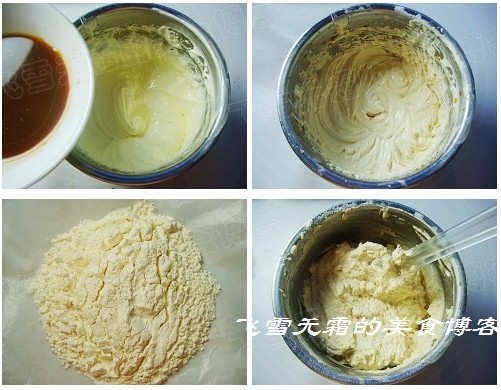
Brew 1g of coffee with 50g of water (or use cold brew concentrate diluted to taste). Let it cool to around 20°C, then add it to the batter in portions. Mix until you see a marbled or streaky pattern—this indicates the right consistency before flour is added.
5. Fold in the Flour
Add the pre-sifted flour directly to the wet mixture. Mix just until combined. The dough will look rough on the surface—that’s good. Overmixing risks developing gluten, which leads to hard cookies.
6. Prepare Your Piping Bag
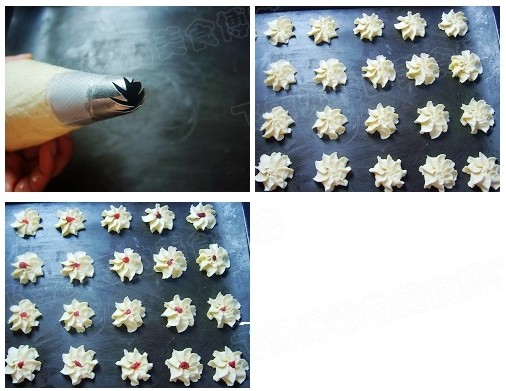
For beginners, a cloth piping bag is more durable with stiff dough. Experienced bakers can use plastic bags with well-mixed, soft dough. Fit the bag with your chosen piping tip—ensure the tip is fully exposed by snipping the tip of the bag cleanly.
7. Pipe and Decorate
Pipe the cookies in one smooth motion—don’t hesitate or stop mid-motion. For a pop of color and flavor, top each cookie with a soaked dried cranberry. Ensure your piping tip is fully inserted and the bag is well-filled for best control.
8. Bake
Preheat your oven to 180°C (356°F). Arrange piped cookies on a tray and bake for about 10–12 minutes, or until edges are just golden. They should stay pale in the center for that classic soft-bite texture.
Frequently Asked Questions
What’s the ideal fat-to-flour ratio for crispy coffee cookies?
The fat should make up 70–90% of the weight of the flour. Most recipes use around 70% fat to achieve a crisp yet tender texture. Going higher, up to 90%, can make the cookies even more delicate and flaky.
Can I use regular flour instead of low-gluten flour?
You can, but low-gluten or cake flour is preferred to minimize gluten development, which can make cookies tough. If using all-purpose flour, reduce water content and mix gently to avoid over-developing the gluten.
Why did my cookie dough crack or not pipe well?
This usually happens when the dough is too cold, too stiff, or has too much flour relative to fat and liquid. Make sure your butter is softened to around 20°C, and that your coffee and other liquids are also around the same temperature. The total weight of flour should roughly equal the combined weight of fats and liquids.
How do I keep my cookies from spreading too much?
Low moisture and proper fat ratios help control spread. Avoid adding extra water or milk, and don’t overbake. Chill the piped dough briefly if it becomes too soft before baking.
What’s the best way to add coffee flavor without making the dough soggy?
Brew a small amount of strong coffee (1g coffee to 50g water) and let it cool to around 20°C. Add it in portions after emulsifying the oil. Avoid using hot coffee, which can melt the butter and ruin the dough’s structure.
Can I use granulated sugar instead of powdered sugar?
Powdered sugar is preferred because it contains cornstarch, which helps with texture and stability. Granulated sugar can work but may result in a slightly crunchier or less uniform texture. Powdered sugar also dissolves more smoothly into the dough.

Recommended FrontStreet Coffee for Baking Cookies
For pairing or infusing into coffee cookies, try FrontStreet Coffee’s Ethiopia Huakui – a bright, fruity Ethiopian single origin with notes of blueberry and citrus that complement sweet baked goods. Alternatively, their Yirgacheffe offers floral and jasmine tones that work beautifully in desserts. For a deeper option, their Black Cocoa Blend brings chocolatey richness that contrasts nicely with coffee cookie dough. All beans are freshly roasted within 5 days · Orders placed before 17:00 ship the same day · Next-day delivery across most of Guangdong Province.
FrontStreet Coffee is a long-established specialty coffee roaster in Guangzhou China, selling freshly roasted beans from its own farm in Yunnan as well as dozens of carefully selected single-origin beans from around the world for both pour-over and espresso. The products deliver consistently excellent quality and great value, with shipping within 24 hours. Guangzhou's FrontStreet Coffee shop is recommended by many coffee lovers, and the beans are now available online at the Tmall 。
Important Notice :
前街咖啡 FrontStreet Coffee has moved to new addredd:
FrontStreet Coffee Address: 315,Donghua East Road,GuangZhou
Tel:020 38364473