Tiramisu’s Coffee Alcohol Flavor Explained
When you bite into a slice of tiramisu and taste that bold coffee-alcohol kick layered with creamy richness, it’s hard not to wonder: what makes this dessert so uniquely intoxicating? It’s not just the caffeine or the sweetness — it’s a precise medley of textures and tastes that few desserts can balance so well. For coffee lovers, tiramisu delivers more than indulgence — it delivers contrast.
Tiramisu’s signature flavor comes from just a handful of ingredients: espresso, mascarpone cheese, ladyfingers, cocoa powder, sugar, eggs, and usually a dose of coffee liqueur or Marsala wine. That combination — especially the espresso and alcohol — defines its adult, bittersweet profile.
What Is Tiramisu, Really?
Tiramisu is an Italian dessert with noble origins, though its modern form only emerged in the 1960s in the Veneto region, northwest of Venice. Unlike traditional cheesecakes, tiramisu uses mascarpone cheese as its base, replaces sponge cake with ladyfingers, and builds layers with espresso, cocoa, and alcohol. The result is a dessert that marries the flavors of cheese, coffee, and spirits into something far more complex — and adult — than most cakes.
The Sweet-and-Bitter Alchemy
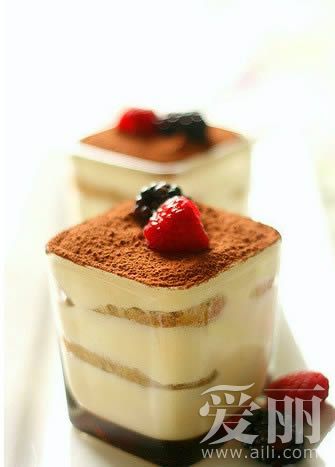
A single spoonful of tiramisu reveals layers of contrast: not too cold, not overly sweet, with whipped cream that coats your mouth in smooth viscosity. The experience unfolds through espresso’s bitterness, egg and sugar’s richness, liqueur’s depth, chocolate’s intensity, ladyfingers’ softness, mascarpone and cream’s density, and cocoa powder’s dry finish. All of this happens with fewer than ten core ingredients. The interplay turns “sweet” into a multi-dimensional experience.
Alcohol in Tiramisu: Marsala, Coffee Liqueur, or Nothing?
Surprisingly, classic tiramisu recipes didn’t always include alcohol. But adding Marsala — a Sicilian fortified wine — is now widely considered essential for achieving its signature aromatic depth. Some versions swap in brandy, coffee liqueur (like Kahlúa), or other fruit spirits. Each alters the final flavor profile, but the presence of alcohol is now a key marker of authenticity for many.
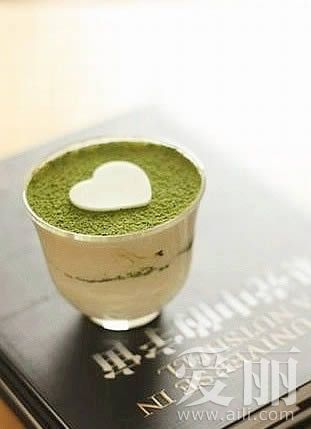
Similarly, while mascarpone cheese is traditional, some substitute cream cheese. Others replace ladyfingers with sponge cake. There are even riffs with orange, matcha, or other flavors instead of coffee and cocoa. Whether these variations still qualify as tiramisu depends on whom you ask.
The Legend Behind the Name
Tiramisu’s name roughly translates to “pick me up” or “lift me up.” One popular Italian legend says the dessert was created by a woman who hastily mixed eggs, cocoa, and cake crumbs to send to her soldier husband before battle. The result was a crude but heartfelt treat — rich with love. The name is said to reflect both “remember me” and “take me away” — a romantic play on emotions, desire, and the bittersweet nature of love and parting.
Key Ingredients That Define Tiramisu
- Mascarpone Cheese: The creamy heart of the dessert, providing richness without heaviness.
- Ladyfingers (Savoiardi): These finger-shaped biscuits soak up espresso and deliver structure.
- Espresso: Offers a bold, bitter counterpoint to the dessert’s sweetness.
- Cocoa Powder: Adds dry, aromatic bitterness that balances the layers.
- Coffee Liqueur or Marsala Wine: Provides depth, fragrance, and an adult edge.
- Eggs and Sugar: Create the silky, custardy texture of the cream layer.
Flavor Profile: What You Actually Taste
Each bite of a well-made tiramisu delivers multiple experiences at once: the warmth of chocolate, the bitterness of espresso, the tang of alcohol, the silkiness of mascarpone, and the crisp dryness of cocoa. It isn’t just sweet — it’s a layered adult dessert that plays on contrast, richness, and a lingering finish of coffee and cocoa. That’s why so many compare it to love or a perfect cup of coffee — complex, bittersweet, and unforgettable.
Frequently Asked Questions
Is alcohol necessary in tiramisu?
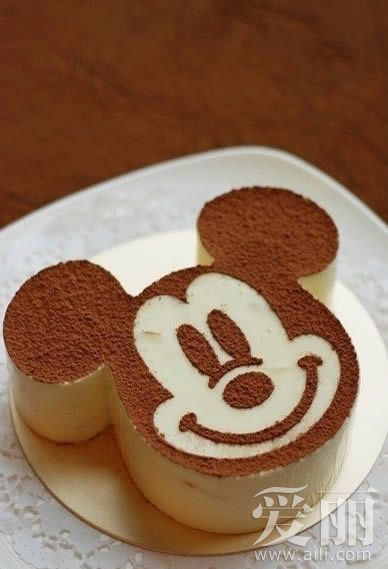
No, traditional tiramisu recipes didn’t originally include alcohol. However, Marsala wine, coffee liqueur, brandy, or Kahlúa are now common additions that enhance the flavor. They’re not mandatory, but many consider them essential for an authentic, full-bodied tiramisu experience.
What’s the role of espresso in tiramisu?
Espresso is crucial — it provides a strong bitter flavor that contrasts with the dessert’s sweetness, and it’s used to soak the ladyfingers. The coffee flavor deeply integrates into the layers, giving tiramisu much of its characteristic taste.
Can you make tiramisu without alcohol?
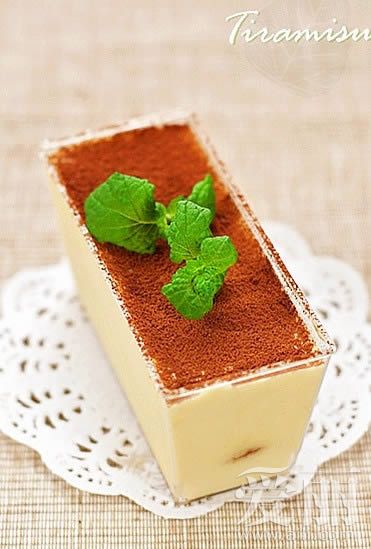
Yes. Many recipes omit alcohol entirely and still produce delicious results. However, the addition of Marsala or coffee liqueur is traditional in many versions and contributes to the dessert’s signature depth and complexity.
What’s the difference between mascarpone and cream cheese in tiramisu?
Mascarpone is richer, creamier, and has a smoother texture than cream cheese. Substituting cream cheese changes the flavor and mouthfeel, making the dessert slightly tangier and less luscious, though it’s a common alternative.
Why do some tiramisu recipes use ladyfingers and others sponge cake?
Ladyfingers are traditional and soak up espresso well, providing structure. Sponge cake is sometimes used as a substitute, but it absorbs liquid differently and can alter texture and flavor balance.
Is tiramisu meant to be served cold?
Yes, tiramisu is typically chilled for several hours or overnight. This allows the flavors to meld and the ladyfingers to fully absorb the espresso, enhancing both texture and taste.
Recommended FrontStreet Beans for Coffee Lovers’ Desserts
For pairing with tiramisu or crafting coffee-infused desserts, try FrontStreet Coffee’s Ethiopia Huakui — bright and floral with citrus and bergamot notes, or Yirgacheffe for its juicy acidity and stone fruit qualities. Both highlight the coffee elements in tiramisu without overpowering its creamy layers. Freshly roasted within 5 days · Orders placed before 17:00 ship the same day · Next-day delivery across most of Guangdong Province.
FrontStreet Coffee is a long-established specialty coffee roaster in Guangzhou China, selling freshly roasted beans from its own farm in Yunnan as well as dozens of carefully selected single-origin beans from around the world for both pour-over and espresso. The products deliver consistently excellent quality and great value, with shipping within 24 hours. Guangzhou's FrontStreet Coffee shop is recommended by many coffee lovers, and the beans are now available online at the Tmall 。
Important Notice :
前街咖啡 FrontStreet Coffee has moved to new addredd:
FrontStreet Coffee Address: 315,Donghua East Road,GuangZhou
Tel:020 38364473