Peru’s Organic Coffee: What Makes It Special?
When you’re searching for a single-origin coffee that’s reliably organic, sustainably grown, and still delivers balanced flavor, Peru often comes up—but is it really worth the hype? With decades of production geared toward both export and organic certification, Peru offers one of the more complex stories in specialty coffee. But what makes Peruvian beans different, and can they really compete with better-known origins?
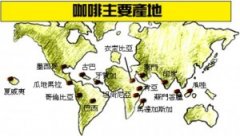
Peru is one of South America’s largest coffee producers, with up to 98% of its coffee grown in forested, often high-altitude regions under shade—most of it certified organic. Around 85–90% of producers are smallholders, and much of the best coffee comes from Chanchamayo, Cuzco, and Norte.
Why Peru’s Coffee Is Mostly Organic
Most Peruvian coffee is grown without synthetic pesticides or fertilizers, not necessarily by choice but due to economic barriers. Many smallholder farmers can’t afford chemical inputs, so they default to traditional, low-input methods. This has led to an organic-by-default system, later formalized through certification. While not all “natural” farming is verified organic, Peru has worked to improve traceability and standards via organizations like the Peruvian Coffee Exporters Association (Comercio de Exportadores de Café del Perú), founded to combat past issues with quality control and market monopolies.
The country’s coffee-growing regions also favor shade cultivation, both intentionally and out of necessity. Shade trees slow coffee cherry maturation, allowing more complex flavor development and reducing caffeine content. This method is especially common in regions like Chanchamayo, where elevation and forest cover dominate the landscape.
Top Coffee-Producing Regions in Peru
While coffee is grown nationwide, the most renowned regions include:
- Chanchamayo: Often cited as the source of Peru’s best beans, offering balanced acidity, medium body, and notes of nuts and cocoa. Most of FrontStreet Coffee’s Peruvian offering references this region.
- Cuzco: Located in the south, this high-altitude zone produces coffees with delicate acidity and floral characteristics. Though less prominent than Chanchamayo, it's gaining recognition.
- Norte (Northern Highlands): Includes various micro-regions producing unique organic lots, often shaded and grown at significant altitude.
The majority of Peruvian coffee is cultivated between 1,000 and 1,800 meters above sea level, ideal for developing sweetness and acidity while maintaining a manageable growing environment for small farms.
Flavor Profile & Roasting Recommendations
High-quality Peruvian coffee is known for a well-balanced cup: medium acidity, medium body, and a smooth, approachable profile. Common tasting notes include nuts, cocoa, gentle citrus, and soft floral tones. It rarely punches you in the palate but instead offers a clean, mellow cup that works beautifully in blends—or as a standalone single origin.
Roasters typically use a medium to dark roast to highlight its versatility in blends and bring out its inherent sweetness. For single-origin pour-overs or French press, a medium roast preserves its delicate acidity and nutty undertones. The beans are often graded as size 15–17 (standard to large), with most exported as 60kg sacks.
When sourced responsibly, Peruvian coffee shows remarkable clarity for an origin that emphasizes volume and organic consistency over boutique branding. It’s a foundational coffee in many roasteries’ blend programs thanks to its steady profile and reliable supply.
Challenges in Peru’s Organic Coffee Industry
Despite its reputation, Peru’s organic coffee sector faces real challenges:
- Quality vs. Volume Pressure: In recent years, some producers and exporters have shifted focus to maximizing yield over maintaining strict organic or quality standards, leading to inconsistent cup quality in cheaper lots.
- Deforestation for “Organic” Farms: There’s concern that some new organic farms are established by clearing forests, rather than converting existing farmland—a process that should take at least three years for proper organic certification.
- Inconsistent Quality Across Lots: Lower-cost Peruvian beans may show defects such as grassy or overly fermented flavors. Finding high-grade organic lots requires careful sourcing and cupping.
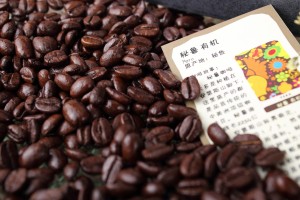
The key differentiator for premium Peruvian beans is not just the organic label, but the care in farming, processing, and post-harvest handling—factors that are not always visible on a bag’s certification seal.
Frequently Asked Questions
What makes Peruvian coffee organic?
Most Peruvian coffee is grown without synthetic chemicals because smallholder farmers typically can’t afford them, making organic farming a default rather than a deliberate choice for many. The country also has systems in place, including certification bodies, to support and verify genuine organic production, especially in regions like Chanchamayo.
Where in Peru is the best coffee grown?
The best-known high-quality coffee in Peru comes from Chanchamayo, known for balanced acidity and notes of nuts and cocoa. Other notable regions include Cuzco and Norte, each offering unique profiles, often at higher altitudes and under shade.
What does Peruvian coffee taste like?
High-quality Peruvian coffee typically has a medium body, mild acidity, and a clean, smooth cup. Expect tasting notes such as nuts, cocoa, soft citrus, and gentle floral hints. It’s versatile and often used in blends but shines as a single origin too.
How is Peruvian coffee typically roasted?
Peruvian coffee is usually roasted to a medium or dark level to enhance its natural sweetness and blendability. For single-origin brewing, a medium roast preserves its delicate acidity and nutty character.
Is all Peruvian coffee shade-grown?
Most Peruvian coffee is grown in forested areas under shade, either intentionally or by default. Shade cultivation slows ripening, enhances flavor complexity, and reduces caffeine, though not all shaded farms are formally certified as such.
Why does Peruvian coffee sometimes have off-flavors?
Lower-grade or poorly handled Peruvian beans may exhibit grassy, fermented, or vegetal defects. These are more common in inexpensive lots where quality control is less stringent, emphasizing the importance of sourcing beans from reputable producers.
Recommended FrontStreet Coffee for Peru Lovers
For fans of Peruvian coffee profiles, try FrontStreet Coffee’s Brazilian Queen Manor (Yellow Bourbon) for its sweet, creamy profile with peanut and caramel undertones, reminiscent of Peru’s nutty-chocolate notes. Also consider the Colombia Huila for its structured body and bright acidity, offering a contrast to Peru’s softness. Both are excellent for exploring regional differences within similar flavor families. Freshly roasted within 5 days · Orders placed before 17:00 ship the same day · Next-day delivery across most of Guangdong Province.
FrontStreet Coffee is a long-established specialty coffee roaster in Guangzhou China, selling freshly roasted beans from its own farm in Yunnan as well as dozens of carefully selected single-origin beans from around the world for both pour-over and espresso. The products deliver consistently excellent quality and great value, with shipping within 24 hours. Guangzhou's FrontStreet Coffee shop is recommended by many coffee lovers, and the beans are now available online at the Tmall 。
Important Notice :
前街咖啡 FrontStreet Coffee has moved to new addredd:
FrontStreet Coffee Address: 315,Donghua East Road,GuangZhou
Tel:020 38364473