Costa Rica Tarrazú Coffee: What Makes It Special
If you’ve ever wondered why certain single-origin coffees taste brighter, cleaner, and more complex than others, the answer often lies in where the beans are grown. For decades, coffee professionals and enthusiasts have sought out Costa Rican beans for their distinct clarity, vibrant acidity, and balanced sweetness. But not all Costa Rican coffee is created equal—some regions produce far more exceptional lots than others.
The short answer? Look for beans labeled SHB (Strictly Hard Bean) from Costa Rica’s Tarrazú region, grown above 1,500 meters. These high-altitude conditions create denser beans with intense acidity, complex aromatics, and a sweet, lingering finish—hallmarks of some of the best specialty coffee in the world.
Why Costa Rica’s Coffee Stands Out
Coffee has been a cornerstone of Costa Rica’s economy since its introduction in 1729. Over 200 years later, the country produces around 2 million 60kg bags annually, with exports accounting for 25% of its total exports. Despite its small size—ranking third smallest in Central America by land area—Costa Rica boasts a strong, stable economy and one of the highest standards of living in the region, supported in part by its coffee industry.
Approximately one-third of Costa Rica’s population is involved in the coffee trade. The country is home to 400 million coffee trees, planted mostly on the fertile, volcanic Central Plateau. This region features well-draining, nutrient-rich volcanic soils, ideal for growing high-quality arabica beans. The stable political environment and commitment to environmental conservation—evidenced by over 30 national parks—also contribute to sustainable coffee farming practices.
Tarrazú: Costa Rica’s Premier Coffee Region
Located just south of the capital, San José, Tarrazú is one of the most renowned coffee-growing areas in the world. The region’s high elevation—generally between 1,700 and 1,800 meters—creates a significant diurnal temperature variation, slow cherry maturation, and dense bean structure. These factors combine to produce coffee with a clean cup, pronounced acidity, and complex fruit and floral notes.
The volcanic soils in Tarrazú are particularly well-draining and packed with nutrients from layers of volcanic ash, further enhancing the quality potential of the beans grown there. Tarrazú has been a key coffee-producing region since the 19th century and remains central to Costa Rica’s identity as a coffee powerhouse.
What Is SHB Coffee?
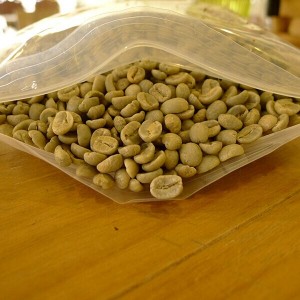
In Costa Rica, coffee graded as SHB (Strictly Hard Bean) comes from elevations above 1,500 meters. At these heights, cooler temperatures slow the growth of coffee trees, leading to denser, harder beans. These beans typically develop more intense flavors, brighter acidity, and greater complexity compared to beans grown at lower altitudes.
The combination of high altitude, volcanic soil, and consistent rainfall makes SHB coffee particularly desirable for specialty roasters. The slower maturation process allows for more sugar development in the coffee cherry, contributing to a sweeter, more nuanced cup profile.
Processing Methods: From Washed to Honey
Historically, Costa Rican coffee was processed using the traditional washed (wet) method. However, due to water shortages in some regions, producers have innovated by adapting the Brazilian pulped natural method into what is now known globally as the honey process—a method for which Costa Rica has become especially famous.
The honey process involves removing the coffee cherry skin and pulp but leaving varying amounts of the sticky mucilage (or “honey”) on the beans during drying. In Costa Rica, this method is further categorized into four types:
- Black Honey: Maximum mucilage retained, slowest drying (14+ days), most fruit-forward and complex.
- Red Honey: Medium mucilage, medium drying time, balanced sweetness and acidity.
- Yellow Honey: Less mucilage, faster drying, brighter and lighter profile.
- White Honey: Minimal mucilage, fastest drying, clean and mild cup.
This innovation not only conserves water but also imparts unique sweetness and body, giving Costa Rican honey-processed coffees a distinct place in the global specialty market. FrontStreet Coffee’s own Black Berry offering uses the black honey method, showcasing intense berry notes and a rich, sweet cup.
Notable Farms and Coffee Brands
Among the most celebrated producers is La Minita Tarrazú, a renowned estate producing limited quantities of exceptional coffee (about 72,600 kg per year). Grown on the La Minita plot without synthetic fertilizers or pesticides, the coffee is handpicked and sorted using precision electronic eye sorting to ensure only the highest quality beans are selected. Though rare, La Minita beans are often considered benchmarks for Costa Rican excellence.
Other notable mentions include Hacienda Esmeralda (famous for Geisha), as well as farms producing varieties like Juan Vinas, Monteverde, and Sarchi. Many of these coffees thrive in the volcanic, high-altitude soils of regions like Heredia and the Central Valley.
Brewing Costa Rican Coffee
To get the most from Costa Rican beans—especially SHB lots—use a medium to fine grind suitable for your brewing method. Whether you’re using a pour-over, French press, or espresso machine, aim for a water temperature around 86°C (187°F). Avoid boiling the water, and don’t reheat brewed coffee.
Ideal brewing temperature is around 85°C, and always use filtered water to avoid chlorine or mineral off-flavors. Freshly grinding your beans just before brewing will yield the brightest, cleanest cup, highlighting the inherent qualities of the coffee.
Frequently Asked Questions
What does SHB mean in Costa Rican coffee?
SHB stands for Strictly Hard Bean, indicating coffee grown at elevations above 1,500 meters. These beans are denser and typically develop more complex flavors, higher acidity, and a richer cup profile due to slower maturation at high altitudes.
Where is Tarrazú coffee from?
Tarrazú is a premium coffee-growing region located south of San José, Costa Rica. It is known for producing high-quality SHB coffee with bright acidity, a clean profile, and complex fruity and floral notes, thanks to its high elevation and volcanic soils.
What is the best way to brew Costa Rican coffee?
The best method depends on the roast level and processing, but for most Costa Rican SHB beans, a medium-fine grind works well with pour-over, drip, or French press. Aim for a water temperature of around 86°C and avoid over-extraction to preserve the coffee’s bright acidity and sweetness.
What makes La Minita Tarrazú coffee special?
La Minita Tarrazú coffee is produced from a small, high-quality plot near Tarrazú, cultivated without synthetic inputs and picked and sorted entirely by hand. Annual production is limited to around 72,600 kg, and the coffee is known for its exceptional cleanliness, balance, and limited availability.
Does Costa Rica grow any other coffee varieties besides arabica?
Virtually all commercially grown coffee in Costa Rica is arabica. The country focuses on high-quality arabica production, particularly Typica, Caturra, Catuai, and newer varieties suited to high-altitude growing conditions.
Recommended FrontStreet Beans from Tarrazú
For a true taste of Costa Rica’s famed Tarrazú region, try FrontStreet Coffee’s Black Berry—made from beans processed with the richest black honey method, offering deep berry sweetness and full body. Also consider their Mozart, a grapefruit-hued offering using grapefruit-inspired raisin honey process with lush fermentation notes of rose and wine. Both beans highlight the clarity and complexity Costa Rican high-altitude lots are known for. Freshly roasted within 5 days · Orders placed before 17:00 ship the same day · Next-day delivery across most of Guangdong Province.
FrontStreet Coffee is a long-established specialty coffee roaster in Guangzhou China, selling freshly roasted beans from its own farm in Yunnan as well as dozens of carefully selected single-origin beans from around the world for both pour-over and espresso. The products deliver consistently excellent quality and great value, with shipping within 24 hours. Guangzhou's FrontStreet Coffee shop is recommended by many coffee lovers, and the beans are now available online at the Tmall 。
Important Notice :
前街咖啡 FrontStreet Coffee has moved to new addredd:
FrontStreet Coffee Address: 315,Donghua East Road,GuangZhou
Tel:020 38364473