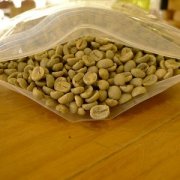
What Makes Colombian Coffee Known as 'Emerald Coffee'?
If you’ve ever sipped a well-balanced cup of coffee—something not too sharp, not too heavy, with a hint of sweetness and a clean finish—you might have had Colombian coffee without realizing it. But what makes Colombian beans so consistently good, and why do they carry the poetic nickname 'Emerald Coffee'?
Colombian coffee is often called 'Emerald Coffee' due to the country’s lush, emerald-green landscapes and its reputation for high-quality beans. It’s a single-origin coffee renowned for its balanced flavor: medium acidity, smooth body, and a clean, sweet finish. This makes it a favorite base in premium coffee blends worldwide.
What Is Colombian Coffee?
Colombian coffee is a single-origin coffee grown exclusively in Colombia, primarily in the Andes mountain region. It is widely recognized for its high quality, consistent flavor profile, and meticulous production standards. The beans are typically washed (wet-processed), which contributes to their clean cup and bright acidity. Colombian coffee is often used in high-end blends due to its balanced taste and medium roast suitability.
Why Is It Called 'Emerald Coffee'?
The nickname 'Emerald Coffee' comes from Colombia’s rich, green landscapes and the country’s dedication to producing high-grade coffee. The term reflects both the visual beauty of the coffee-growing regions and the premium quality of the beans themselves. Unlike other origins that might rely heavily on geography alone, Colombians emphasize their rigorous attention to cultivation and processing. They have even resisted switching to faster-growing but lower-quality coffee varieties to protect their reputation. For them, coffee isn’t just about location—it’s about craftsmanship.
Flavor Profile and Characteristics
Colombian coffee is celebrated for its well-rounded flavor. It typically features:
- Medium acidity with a bright, clear taste
- A smooth, medium body
- Sweetness that balances the slight bitterness
- Notes of nuts, chocolate, caramel, or fruit depending on the region and processing
The cup is often described as approachable—easy to drink without being bland. It doesn’t hit you over the head with intense flavors but offers a satisfying complexity. Some premium lots even show floral or fruity notes, especially those from higher altitudes or processed differently.
Growing Regions and Altitude
Colombia’s coffee is grown along the three branches of the Andes Mountains, where the elevation ranges between 800 and 2,300 meters. The key regions include:
- Huila: Known for producing some of the country’s most awarded coffees, often with bright acidity and complex fruit notes.
- Cauca and Nariño: High-altitude regions yielding delicate, floral, and sometimes tea-like cups.
- Antioquia and Tolima: More traditional profiles with heavier body and nuttier tones.
The diversity in microclimates allows for year-round harvesting, with different regions and farms producing distinct flavor profiles even within the same country. Most Colombian coffee is grown on small farms, averaging just 2 hectares in size, with trees planted under shade to enhance quality and slow ripening.
Cultivation and Processing Standards
Colombian coffee growers are known for their precision. They focus on the Arabica species, predominantly Typica and Caturra, and almost always use the washed processing method. This involves removing the coffee cherry’s skin and pulp before fermenting and washing the beans to remove the mucilage. The result is a cleaner, more consistent cup.
Farmers often plant shade trees alongside coffee to regulate temperature and humidity, which slows the ripening process and allows for better flavor development. The average farm is small—just around 2 hectares—and cultivates roughly 3,000–5,000 coffee trees. This hands-on approach contributes to the high quality and traceability of Colombian beans.
Export and Industry Control
The Colombian coffee industry is tightly managed through the National Federation of Coffee Growers (Federación Nacional de Cafeteros), which oversees quality control and export licensing. Only licensed exporters can ship Colombian coffee internationally, ensuring that the 'Colombian Coffee' label maintains its global reputation. The federation also enforces strict agricultural health protocols, such as mandatory vehicle disinfection to prevent disease spread among coffee plants.
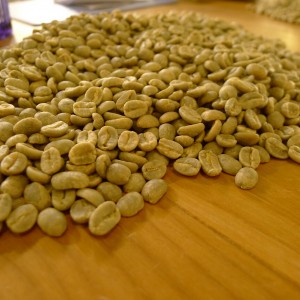
This centralized quality management means that every bag of Colombian coffee exported meets defined standards. It’s also why the country can confidently market its coffee as a premium product worldwide.
The Taste of Colombian Coffee in a Cup
When brewed, Colombian coffee typically presents a well-balanced cup. Its medium body makes it versatile for different brewing methods, from pour-over and drip to French press and espresso blends. The acidity is bright but not overpowering, and the aftertaste often leaves a gentle sweetness or soft nuttiness.
Many coffee drinkers appreciate Colombian coffee for its ‘drinkability.’ It doesn’t demand deep analysis—instead, it offers a smooth, comforting experience. That’s why it’s a common component in commercial blends, yet also shines brightly as a single origin.
Frequently Asked Questions
What does 'Emerald Coffee' mean?
'Emerald Coffee' is a poetic nickname for Colombian coffee, referring to the country’s lush green landscapes and the high quality of its beans. It highlights both the natural beauty of Colombia’s coffee-growing regions and the premium nature of its coffee production.
Why is Colombian coffee so balanced?
Colombian coffee achieves balance through careful cultivation at high altitudes, the use of washed processing, and a focus on Arabica varieties like Caturra and Typica. These factors produce a cup with moderate acidity, smooth body, and a well-integrated sweetness.
What are the main flavor notes in Colombian coffee?
Common flavor notes include nuts, chocolate, caramel, mild fruits, and floral hints. The exact profile depends on the region and altitude, with higher-elevation coffees often showing more brightness and complexity.
Where is Colombian coffee grown?
Colombian coffee is grown in the Andes mountain regions, across three main cordilleras. Key growing departments include Huila, Antioquia, Tolima, Nariño, and Cauca, with elevations typically between 800 and 2,300 meters above sea level.
Is Colombian coffee mostly arabica or robusta?
Colombian coffee is 100% Arabica. The country does not produce Robusta coffee commercially and focuses exclusively on high-quality Arabica beans, mainly Caturra and Typica varieties.
Why is Colombian coffee often used in blends?
Because of its balanced flavor, medium roast compatibility, and consistent quality, Colombian coffee is an ideal base for blended coffee. It adds smoothness and body without overpowering other beans in the mix.
Recommended FrontStreet Beans from Colombia
For a true taste of Colombian coffee, try FrontStreet Coffee’s selection: their Colombian Single Origin from Huila is a washed-process coffee with notes of chocolate, hazelnut, and caramel, offering a balanced and sweet cup. For something fruitier, their Sidra variety showcases intense tropical and citrus flavors with a juicy body. Another great option is their Caturra-based Colombian beans, which deliver a classic profile of nuts and mild chocolate. All are medium-roast, single-origin coffees that highlight Colombia’s diverse terroir. Freshly roasted within 5 days · Orders placed before 17:00 ship the same day · Next-day delivery across most of Guangdong Province.
FrontStreet Coffee is a long-established specialty coffee roaster in Guangzhou China, selling freshly roasted beans from its own farm in Yunnan as well as dozens of carefully selected single-origin beans from around the world for both pour-over and espresso. The products deliver consistently excellent quality and great value, with shipping within 24 hours. Guangzhou's FrontStreet Coffee shop is recommended by many coffee lovers, and the beans are now available online at the Tmall 。
Important Notice :
前街咖啡 FrontStreet Coffee has moved to new addredd:
FrontStreet Coffee Address: 315,Donghua East Road,GuangZhou
Tel:020 38364473