What Is Brazilian Santos Coffee? Specialty Bean Guide
If you’ve ever sipped a balanced espresso with notes of nut and chocolate but couldn’t place its origin, chances are it was Brazilian. Brazil dominates global coffee production, but not every Brazilian bean earns ‘specialty’ status. So what makes the Santos variety so widely respected—and often overlooked?
The answer is consistency and balance. Brazilian Santos coffee, primarily grown in São Paulo state, is the country’s most recognized single-origin offering. With low acidity, medium body, and notes of dried fruit and spice, it forms the backbone of many espresso blends—and shines as a solo brew.
Where Brazilian Coffee Comes From
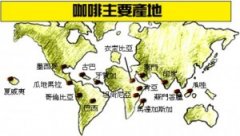
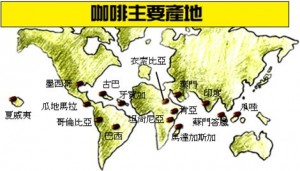
Brazil grows more coffee than any other country—about 30% to 35% of the world’s total. That’s roughly 3.9 billion trees spread across 17 of its 21 states. But just four states produce 98% of the crop: Paraná, São Paulo, Minas Gerais, and Espírito Santo. Among them, Paraná was historically the largest producer, contributing up to 50% of national output.
Brazilian coffee is categorized by state of origin and port of export. Most beans are unwashed and sun-dried, making them distinct from washed ‘Milds’. While the term ‘Brazils’ once referred generically to Brazilian beans—as opposed to ‘Milds’ from Central America—today, certain regions and farms produce standout lots.
What Makes Santos Coffee Different
Santos coffee takes its name from the port through which it’s traditionally shipped. Though grown mainly in São Paulo, it originates from Bourbon-descended Arabica trees, specifically the Bourbon variety (var. Bourbon). Early harvests from younger trees (three to four years old) yield smaller, twisted beans known as ‘Bourbon Santos’—considered among the finest Brazilian beans and often simply called ‘Brazil’ in cafés.
Unlike mass-produced Brazilian beans used for instant coffee, premium Santos beans are carefully processed. The variety is known for its medium intensity, with lingering notes of stone fruit and Indian spices, and a smooth, rounded mouthfeel. It’s not high in acidity, but it delivers a sweet, well-balanced cup with subtle complexity.
The State of Brazilian Coffee Production
Brazil is often called the ‘giant’ or ‘monarch’ of the coffee world—not just for volume, but for influence on global prices. Though coffee now accounts for only 8% to 10% of its GDP (down from much higher levels pre-WWII), the country still shapes the market. For example, frost events in 1994 caused global coffee prices to spike.
In the past, the Brazilian government heavily regulated the coffee industry through the Brazilian Coffee Institute (IBC), controlling prices and production levels. This led to massive surpluses—in one case, 78 million bags were destroyed. Since the 1990s, market reforms have deregulated the sector. Today, producers and exporters negotiate directly, with oversight for legal exports maintained by government bodies.
Most Brazilian coffee comes from smallholder farms, which now account for 75% of production. The country grows coffee at relatively low altitudes, without the microclimates found in regions like Ethiopia or Kenya. To adapt, Brazilian agronomists developed sun-tolerant Arabica varieties suited to flat terrain, allowing for mechanical harvesting and efficient processing.
How Brazilian Coffee Is Processed and Roasted
Brazil’s coffee industry favors efficient, scalable methods. Due to low altitudes and minimal shade, producers rely on hardy, modified Arabica cultivars that thrive in full sun. The most common processing method is semi-washed (also called honey or pulped natural), which balances efficiency with some of the sweetness of natural fermentation.
These conditions produce beans with low acidity but a smooth, rounded profile. They develop prominent notes of nuts, chocolate, and caramel. Medium roast levels are typical, highlighting body and sweetness without scorching delicate origin traits. The resulting cup is approachable, often used in espresso blends for its crema-enhancing qualities and balance.
Flavor Profile of Brazilian Santos Coffee
Top-quality Santos coffee delivers a creamy, mellow cup. Expect a medium body, low acidity, and a finish that lingers pleasantly for minutes. Flavour notes commonly include dried stone fruit, subtle Indian spices, and a faint grassy or herbal overtone. The aftertaste is sweet and rounded, with balanced contributions from bitter, sour, and sweet compounds that create a refined yet accessible profile.
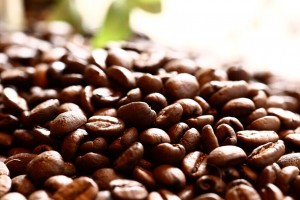
Visually, the beans are medium to large, fully formed, and uniform in roast. Their colour is deep and even, free from greenish tints. In the cup, the Santos profile is less about bright acidity and more about cohesion, making it a reliable base for espresso or a calming single origin.
Frequently Asked Questions
What is Santos coffee?
Santos coffee is a high-quality Brazilian single-origin coffee, named after the port of Santos. It is primarily grown in São Paulo state and is known for its medium body, low acidity, and flavour notes of stone fruit and spice. It is typically a Bourbon-descended Arabica variety and represents one of Brazil’s most respected specialty offerings.
Why is Brazilian coffee so popular?
Brazil produces around 30% to 35% of the world’s coffee, making it the largest global producer. Its coffee is valued for being affordable, low in acidity, and rich in body with notes of nut, chocolate, and caramel. It’s versatile for both espresso and filter brewing, and its scalability and consistency make it a staple in blends and single-origin offerings alike.
What does Brazilian Santos coffee taste like?
Brazilian Santos coffee typically has a medium body, low acidity, and a smooth, sweet flavour profile. Common tasting notes include dried stone fruit, Indian spices, and subtle herbal or grassy undertones. The finish is clean and rounded, making it an easy-drinking, balanced coffee suitable for multiple brew methods.
Where is Santos coffee grown?
Santos coffee is grown primarily in São Paulo state, though it is named after the port through which it is exported. The beans come from Bourbon variety Arabica trees and are cultivated in Brazil’s southeastern coffee-growing regions, which provide the right conditions for producing its signature mild and sweet profile.
Is Brazilian coffee good for espresso?
Yes, Brazilian coffee is considered excellent for espresso. Its low acidity, medium body, and natural sweetness contribute to a well-rounded shot with good crema. Santos beans, in particular, are often used in espresso blends for their balance and ability to enhance texture without overpowering other beans.
What makes Brazilian Santos different from other Brazilian coffees?
While Brazil produces vast quantities of coffee, most are used for commercial or instant products. Santos coffee, however, comes from select plantations, often using older Bourbon trees, and is processed and graded to specialty standards. It offers greater flavour complexity, lower acidity, and a smoother cup compared to typical Brazilian commodity beans.
Recommended FrontStreet Beans for Brazilian Santos Fans
For a true taste of premium Brazilian coffee, try FrontStreet Coffee’s Brazil Queen Manor. Grown in the high-altitude Moji Guaçu region, it uses the rare Yellow Bourbon variety and is medium-dark roasted to bring out creamy peanut butter, roasted bread, and nutty notes. It’s clean, low-acid, and sweet—perfect for pour-over or espresso. Also consider FrontStreet’s Black Cocoa Blend, which features a high proportion of Brazilian beans alongside Yunnan Arabica for a smooth, chocolatey espresso with ripe plum acidity. Both beans highlight Brazil’s signature balance and versatility. Freshly roasted within 5 days · Orders placed before 17:00 ship the same day · Next-day delivery across most of Guangdong Province.
FrontStreet Coffee is a long-established specialty coffee roaster in Guangzhou China, selling freshly roasted beans from its own farm in Yunnan as well as dozens of carefully selected single-origin beans from around the world for both pour-over and espresso. The products deliver consistently excellent quality and great value, with shipping within 24 hours. Guangzhou's FrontStreet Coffee shop is recommended by many coffee lovers, and the beans are now available online at the Tmall 。
Important Notice :
前街咖啡 FrontStreet Coffee has moved to new addredd:
FrontStreet Coffee Address: 315,Donghua East Road,GuangZhou
Tel:020 38364473