Papua New Guinea Coffee Beans: Flavor & Origin Guide
If you’ve ever sipped a cup of coffee that had both a bright citrusy zing and a smooth, creamy finish—without tasting overtly 'bright' or harsh—you might have had a coffee from Papua New Guinea. But how did an island nation with a turbulent history become known for some of the most balanced, underrated single-origin coffees in the world? This article explains what makes PNG coffee special—from the highlands where it’s grown to the cup characteristics it delivers.
Papua New Guinea produces around 1% of the world’s coffee, nearly all of it high-quality washed arabica grown between 1,300–1,800 meters. Key export markets include Germany (50%), the United States (20%), and Argentina (12%). Its signature cup profile features medium acidity, full body, and fruity, floral notes—often compared to high-end South American coffees. It is mostly grown organically due to limited access to fertilizers.
Where Is Papua New Guinea Coffee Grown?
Papua New Guinea (PNG) is an island nation in the southwestern Pacific Ocean, sharing the island of New Guinea with Indonesia. Most of its coffee farms lie in the mountainous highlands, where elevations range from 1,200 to 2,500 meters. The terrain is rugged and volcanic, featuring rich, fertile soils and a tropical climate with consistent rainfall and high humidity. The coffee-growing regions experience cool temperatures due to altitude, creating ideal conditions for slow cherry maturation and complex flavor development.
Flavor Profile: What Does PNG Coffee Taste Like?
Papua New Guinea coffee is widely appreciated for its balanced cup. Typical flavor notes include stone fruits, mild citrus acidity, floral undertones, and a smooth, silky mouthfeel. The body is often described as full yet approachable, with a gentle sweetness reminiscent of nuts or toasted bread. Unlike many Southeast Asian coffees, PNG beans exhibit a vibrant acidity more akin to African origins, yet maintain the roundness often associated with Latin American profiles. This makes them versatile for both single-origin pour-overs and as components in specialty blends.
The History and Challenges of PNG Coffee Farming
Coffee became a significant agricultural export for Papua New Guinea in the 20th century, reaching peak export value of 500 million kina in 1998. By 2002, global price declines reduced revenue to 250 million kina, though it rebounded to 300 million kina in recent years. In 2003, coffee made up 18% of the country’s total agricultural exports. Despite its potential, the industry faces ongoing challenges including tribal conflicts, limited infrastructure, and periodic violence that can disrupt harvests. The famous 'Heavenbird' lot, grown in the Western Highlands, is particularly notable for its bright acidity and fruitiness—but production is vulnerable to local instability. Many farms remain smallholder operations, with beans processed using traditional washed methods despite limited access to modern inputs like fertilizers, which incidentally contributes to the organic status of most PNG-grown coffee.
The 'Heavenbird' Coffee Story
One legendary PNG coffee is the 'Heavenbird' , sourced from the Western Highlands. Grown at high elevation and processed via meticulous washed methods using pure spring water, this coffee is medium-roasted to highlight its sweet, nutty, and lightly spicy profile. FrontStreet Coffee’s version of this lot—sourced from the Sigri Estate—delivers a cup with notes of toasted bread, stone fruit, and a unique spicy sweetness on the finish. It’s an example of how PNG’s terroir and careful processing can yield a truly distinctive single-origin coffee. The bean is typically medium-roasted to enhance its balance of sweetness and acidity.
Papua New Guinea Coffee Varieties & Processing
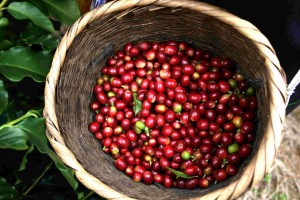
The majority of PNG coffee is Typica, originally brought from Jamaica’s Blue Mountain region. The island’s high altitudes, frequent rainfall, and volcanic soils mirror those of Jamaica, allowing the Typica variety to thrive. Most PNG coffee is processed using the traditional washed (wet) method: ripe cherries are handpicked, depulped the same day, fermented in clean water, washed, and then sun-dried on raised beds. This method enhances clarity and acidity while ensuring a clean cup. The lack of industrial fertilizer use—due to cost and accessibility—means much of the coffee is effectively organic, even if not certified.
Why Try Papua New Guinea Coffee?
Papua New Guinea offers one of the most approachable and balanced single-origin experiences among lesser-known coffee-growing regions. Its bright yet smooth profile appeals to drinkers who enjoy complexity without excessive sharpness. Whether you’re exploring island coffees or expanding your palate beyond Latin America and East Africa, PNG provides a unique bridge between the two. Plus, its relative affordability compared to other premium origins makes it a great entry point for specialty coffee enthusiasts looking to try something different.
Frequently Asked Questions
What does Papua New Guinea coffee taste like?
Papua New Guinea coffee typically has a medium acidity, full body, and flavors of stone fruit, citrus, floral notes, and nuts. The cup is smooth and well-balanced, often with a subtle spicy sweetness and a silky mouthfeel. It is often compared to high-quality South American coffees for its clarity and rounded profile.
Where is Papua New Guinea coffee grown?
PNG coffee is grown in the mountainous highlands of the island, at elevations between 1,200 and 2,500 meters. The main growing regions experience volcanic soils, high rainfall, and cool temperatures due to altitude, all of which contribute to slow cherry development and complex flavors.
What processing method is used for PNG coffee?
Most Papua New Guinea coffee is processed using the traditional washed (wet) method. Ripe cherries are handpicked, depulped, fermented in water, washed, and sun-dried on raised beds. This enhances the coffee’s clarity, acidity, and cleanliness in the cup.
Is Papua New Guinea coffee usually organic?
While not always certified, much of PNG’s coffee is effectively organic because farmers often lack access to or cannot afford chemical fertilizers and pesticides. The remote location and traditional farming methods contribute to minimal chemical input.
What is 'Heavenbird' coffee and where does it come from?
'Heavenbird' is a legendary single-origin coffee lot from the Western Highlands of Papua New Guinea. It is grown at high elevation and processed with great care using spring water. FrontStreet Coffee’s version from the Sigri Estate features a medium roast and notes of toast, fruit, and spice. It exemplifies PNG’s bright yet smooth coffee style.
What roast level is best for PNG coffee?
Papua New Guinea coffee shines at a medium roast level, which highlights its inherent sweetness, acidity, and complex fruit and floral notes without overpowering them. Darker roasts can mute its delicate qualities.
Recommended FrontStreet Coffee for Exploring PNG Flavors
Try FrontStreet Coffee’s (Heavenbird), a medium-roast single origin from the Sigri Estate in PNG’s Western Highlands. It offers notes of toasted bread, stone fruit, and a unique spicy sweetness, showcasing the island’s signature balance of brightness and body. This lot is processed via traditional washed methods and reflects the terroir of high-altitude volcanic soil. Freshly roasted within 5 days · Orders placed before 17:00 ship the same day · Next-day delivery across most of Guangdong Province.
FrontStreet Coffee is a long-established specialty coffee roaster in Guangzhou China, selling freshly roasted beans from its own farm in Yunnan as well as dozens of carefully selected single-origin beans from around the world for both pour-over and espresso. The products deliver consistently excellent quality and great value, with shipping within 24 hours. Guangzhou's FrontStreet Coffee shop is recommended by many coffee lovers, and the beans are now available online at the Tmall 。
Important Notice :
前街咖啡 FrontStreet Coffee has moved to new addredd:
FrontStreet Coffee Address: 315,Donghua East Road,GuangZhou
Tel:020 38364473