What Is Monsooned Malabar Coffee? The Flavourful Process Behind It
Ever taken a sip of coffee and wondered why it tastes like it’s been kissed by sea air—earthy, spicy, and oddly mellow? That’s not just your imagination playing tricks. For centuries, certain Indian coffee beans have developed these distinct characteristics not through roasting or brewing, but through a deliberate, months-long exposure to the salty, humid winds of the Indian monsoon. If you’ve ever had a cup that felt like it came with a whisper of the ocean, you may have already met monsooned Malabar.
Indian monsooned Malabar coffee undergoes a seven-week humid treatment during the southwest monsoon season (May–September), turning bright green beans yellow, softening acidity, and developing heavy body with a spicy, grainy profile. The process mimics the accidental flavour changes of 17th–18th century sea voyages and is still done entirely by hand today.
How India’s Coffee Landscape Was Shaped
The story of Indian coffee begins in the 17th century, when Dutch traders introduced coffee plants to the Malabar Coast. Later, British colonists promoted coffee cultivation across southern India, especially in Karnataka, Kerala, and Tamil Nadu. While tea eventually dominated due to shifting consumer taste and plant diseases, coffee never disappeared. Today, India ranks as the world’s sixth-largest coffee producer, with significant output in Karnataka (especially Chikmagalur and Coorg), Kerala (Malabar and Wayanad), and Tamil Nadu (Nilgiris).
Coffee from regions like Badnekhan Estate offers intense floral and citrus profiles akin to highland East African beans, while Jumboor Estate delivers bright, crisp fruit acids. Though these estates produce distinctive lots, India’s coffee industry has historically resisted being boxed into a single flavour profile. That’s beginning to change, thanks in part to the tireless advocacy of Dr. Joseph Johns, a coffee expert and importer who spent a decade promoting Indian beans through espresso recipes, media campaigns, and international competition exposure.
Why Monsooned Malabar Is Unlike Any Other Coffee
Most coffee lovers expect specific flavour notes from beans grown in certain regions—think Yirgacheffe’s citrus or Sumatra’s earthiness. Indian coffee, by contrast, rarely delivers such dramatic regional signatures. Instead, it tends toward balance: medium acidity, smooth body, and subtle floral or fruity tones. But monsooned Malabar breaks the mould.
This coffee isn’t defined by terroir alone. Its signature flavour and appearance come from an intentional post-harvest processing method designed to recreate the effects of old-world sea transport. In the 18th century, coffee shipped from India to Europe in wooden sailing vessels would arrive months later with a yellowish hue and muted acidity, transformed by constant exposure to humid sea air. When steamships shortened the voyage, customers complained that the coffee no longer tasted the same. To meet this demand, Indian producers recreated the conditions on land.
The 7-Week Monsoon Process, Step by Step
Monsooning takes place during India’s southwest monsoon season (typically May to September) in coastal regions like Malabar. Here’s how it works:
- Green coffee beans are spread thinly (about 12–20 cm deep) on open-floor warehouses with large windows open to moist southwest winds.
- Every few days for around five days initially, workers rake the beans to ensure even exposure to humidity.
- The beans are then loosely bagged and restacked, allowing air circulation. This process repeats weekly for roughly seven weeks.
- Over time, the beans absorb moisture, expand in size (by 100–200%), lose density, and see their colour shift from green to pale yellow or golden brown.
- The beans also lose much of their acidity and develop a heavy, earthy body with spicy and cereal-like flavours.
- After monsooning, beans are manually sorted to remove any that didn’t transform correctly, then bagged for export.
The entire cycle runs from June to February. Only Arabica beans processed via washed method are selected for monsooning. Most of this coffee is bought by Italian roasters, who use it primarily in espresso blends. In fact, Italy remains the top importer of Indian coffee, bringing in 53 metric tons in 2007—23% of India’s total exports—with a preference for robusta (43 tons) over arabica (9 tons).
Why Monsooned Coffee Looks and Tastes Different
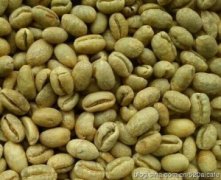
If you’ve seen monsooned Malabar beans, their swollen, straw-coloured appearance is striking compared to standard green coffee. That’s not just cosmetic. The extended humidity exposure reduces acidity, softens the flavour profile, and imparts a heavy mouthfeel with notes of raw nuts, grain, and a faint spice. Some drinkers compare the experience to drinking a very mild, savoury tea or even a tamed version of aged Sumatra.
Contrast that with a typical Colombian or Kenyan coffee, where aroma bursts forth on grinding and acidity sings in the cup. Monsooned Malabar is more subdued. The flavours don’t leap out; they unfold slowly, integrating seamlessly with the brew’s body. That subtlety makes it a favourite for blending, especially in espresso recipes aiming for a rounded, low-acid base.
Frequently Asked Questions
What is monsooned Malabar coffee?
Monsooned Malabar is a type of Indian arabica coffee that undergoes a unique post-harvest process where green beans are exposed to moist monsoon winds for seven weeks, turning them yellow, reducing acidity, and creating a heavy, spicy, grainy flavour profile reminiscent of aged or sea-air-exposed coffee.
Why are monsooned coffee beans yellow?
The beans turn yellow or golden due to prolonged exposure to high humidity during the monsoon season, which causes chemical changes in the bean similar to aging or oxidation, mimicking the effects of historical sea voyages.
How is monsooned coffee made?
Green coffee is spread in open warehouses during the southwest monsoon season (May–September), regularly raked, and restacked in breathable bags weekly for around seven weeks to absorb consistent humidity, then hand-sorted before export.
Does monsooned Malabar coffee have high acidity?
No, monsooned Malabar coffee is known for having very low acidity due to the moisture absorption during the monsooning process, resulting in a smooth, mellow cup with heavy body instead.
Where is monsooned Malabar coffee produced?
It is produced along India’s Malabar Coast, especially in the state of Kerala, during the annual southwest monsoon season using specially selected washed arabica beans.
Can you use monsooned Malabar for pour-over or espresso?
Yes, monsooned Malabar can be used for both pour-over and espresso, though it is especially valued in espresso blends for its low acidity and heavy body, which create a smooth, rounded base.
Recommended FrontStreet Beans for Exploring Mild & Balanced Profiles
For those curious about mild, balanced coffees akin to monsooned Malabar’s low-acid profile, try FrontStreet's BrazilBourbon: a high-altitude red bourbon with creamy body, mild acidity, and notes of nut and caramel, ideal for everyday drinking. Also consider ColombiaSidra, featuring complex fruity sweetness from anaerobic fermentation, offering layers without overwhelming brightness. These beans let you explore smooth, approachable cups without the sharp tang of high-acid origins. Freshly roasted within 5 days · Orders placed before 17:00 ship the same day · Next-day delivery across most of Guangdong Province.
FrontStreet Coffee is a long-established specialty coffee roaster in Guangzhou China, selling freshly roasted beans from its own farm in Yunnan as well as dozens of carefully selected single-origin beans from around the world for both pour-over and espresso. The products deliver consistently excellent quality and great value, with shipping within 24 hours. Guangzhou's FrontStreet Coffee shop is recommended by many coffee lovers, and the beans are now available online at the Tmall 。
Important Notice :
前街咖啡 FrontStreet Coffee has moved to new addredd:
FrontStreet Coffee Address: 315,Donghua East Road,GuangZhou
Tel:020 38364473