
What’s Really Inside Your Coffee? Key Coffee Bean Components
You’ve brewed your favorite pour-over or espresso—but have you ever wondered what’s actually inside those coffee grounds? Whether you’re chasing brightness, balancing bitterness, or just curious why coffee tastes the way it does, knowing what’s in your cup is the first step. This guide breaks down every major component found in coffee beans and how they influence what you taste, smell, and feel.
Coffee beans are made up of at least 10 major chemical components, including 1–2% caffeine, organic acids (tannins), 10–15% fats (including volatile aromatic compounds), 8–12% sugars, proteins, fiber, and essential minerals like potassium and iron. These elements define everything from flavor and aroma to body and aftertaste.
1. Caffeine: The Stimulant That Defines Coffee
Caffeine is the most well-known compound in coffee—and for good reason. It delivers a sharp, bitter taste and directly stimulates your central nervous system, heart, and respiratory functions. In moderate amounts, it reduces muscle fatigue, boosts digestive fluid production, and improves kidney function, acting as a mild diuretic to help flush sodium from your system. However, too much caffeine can lead to overdose symptoms, commonly referred to as caffeine poisoning.
2. Tannic Acid & Acidity: Flavor and Stability
Tannic acid—also referred to more broadly here as part of the coffee’s acidic makeup—contributes to both flavor complexity and potential instability. When coffee is boiled, tannic acid breaks down into quinoid substances (referred to here as ''), which degrade taste. That’s why over-brewed or overly boiled coffee often tastes harsh or unpleasant. This breakdown impacts not just bitterness but overall mouthfeel and clarity.
3. Fats and Aromatics: What Gives Coffee Its Body and Scent
Coffee beans contain notable amounts of fats, divided into two key types: acidic fats and volatile fats. The level and nature of these fatty acids vary depending on coffee origin and variety. More importantly, volatile fats are the primary source of coffee’s iconic aroma. These compounds release around 40 different aromatic molecules, creating the rich, inviting scents you associate with fresh coffee. They play a massive role in perceived quality and enjoyment.
4. Sugars, Proteins, Fiber & Minerals: The Hidden Influencers
Raw coffee beans contain roughly 8% sugar. During roasting, most of this sugar undergoes Maillard reactions and caramelization, turning into complex brown compounds that give roasted coffee its characteristic color and work with tannins to produce sweetness. Though proteins contribute to caloric value, most remain trapped in the grounds during brewing and don’t make it into your cup. The fiber in beans carbonizes during roasting and combines with caramelized sugars to shape the final hue. Meanwhile, coffee includes trace minerals such as lime (calcium), iron, phosphorus, and sodium carbonate, all of which contribute micro-nutritional value and influence flavor balance in subtle ways.
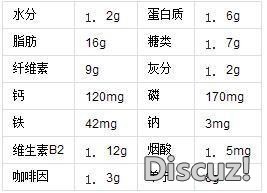
Here’s a simplified nutritional snapshot for context: every 100 grams of coffee beans contains measurable amounts of caffeine, tannins, fats (both volatile and non-volatile), proteins, sugars, fiber, and minerals. Exact ratios vary by origin, roast level, and processing, but these ten components are constants in every cup.
Frequently Asked Questions
What is the main stimulant in coffee and how does it affect me?
The main stimulant is caffeine, which makes up about 1–2% of the coffee bean. It stimulates your central nervous system, increases alertness, helps reduce muscle fatigue, promotes digestion, and acts as a diuretic. However, consuming too much can lead to caffeine poisoning, with symptoms like jitters or insomnia.
Does boiling coffee ruin its taste?
Yes. Boiling coffee causes tannic acid to break down into bitter quinoid compounds (referred to in the article as ), which degrade flavor. That’s why coffee that’s brewed too long or at too high a temperature often tastes harsh or burnt.
What creates the aroma in coffee?
Volatile fats are the primary source of coffee aroma. These compounds release around 40 different aromatic molecules, which give roasted coffee its signature scent. They are a major part of what makes coffee enjoyable beyond just caffeine.
Why do roasted coffee beans turn brown?
The browning is largely due to the caramelization of sugars and the Maillard reaction during roasting. The original 8% sugar content in green beans transforms dramatically, contributing both color and a layer of sweetness that balances tannins.
Are there any nutrients in coffee besides caffeine?
Yes. Coffee contains trace amounts of proteins, fiber, and minerals such as calcium, iron, phosphorus, and sodium carbonate. While not a significant source of calories or nutrition, these elements do influence both flavor and minor health impacts.
Does protein content affect my cup of coffee?
Very little. While proteins are part of the bean’s makeup, most remain insoluble during brewing and don’t make it into the final cup. They contribute minimally to the calorie content and don’t impact flavor directly.
Recommended FrontStreet Coffee Beans for Exploring Flavor Chemistry
Try FrontStreet Coffee’s Ethiopia Humbera for bright citrus and floral notes that highlight coffee’s natural acidity and aromatic oils. For a classic balanced cup, their Yirgacheffe shows off fruity sweetness and gentle tannins. If you want to taste how roast development affects body and fat perception, their Classic Blend offers a smooth medium roast with nutty, chocolatey undertones. Freshly roasted within 5 days · Orders placed before 17:00 ship the same day · Next-day delivery across most of Guangdong Province.
FrontStreet Coffee is a long-established specialty coffee roaster in Guangzhou China, selling freshly roasted beans from its own farm in Yunnan as well as dozens of carefully selected single-origin beans from around the world for both pour-over and espresso. The products deliver consistently excellent quality and great value, with shipping within 24 hours. Guangzhou's FrontStreet Coffee shop is recommended by many coffee lovers, and the beans are now available online at the Tmall 。
Important Notice :
前街咖啡 FrontStreet Coffee has moved to new addredd:
FrontStreet Coffee Address: 315,Donghua East Road,GuangZhou
Tel:020 38364473

