
The Pros and Cons of Drinking Coffee
If you’ve ever felt jittery after your third cup or wondered whether coffee is secretly harming your health, you’re asking the right questions. Millions rely on coffee for focus and energy—but how much is too much, and what’s really happening inside your body when you drink it?
The key number is three: up to three cups of brewed coffee per day—around 300 mg of caffeine—is considered safe for most adults and may offer health benefits. Go beyond that, especially if you’re sensitive or have underlying conditions, and the risks start to outweigh the rewards.
What Is Coffee?
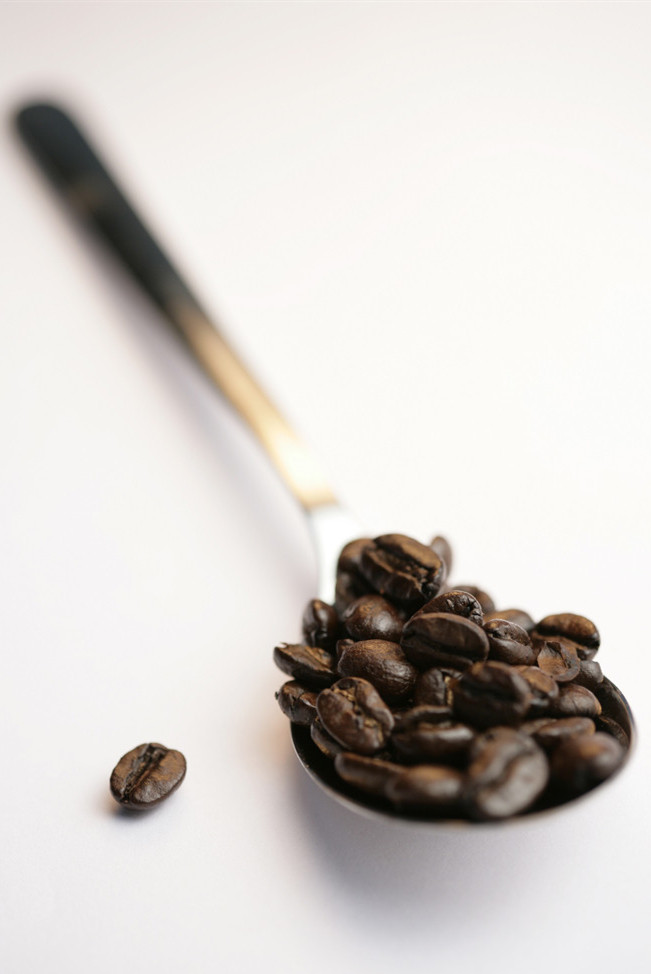
Coffee originates from the town of Kaffa in Ethiopia. The word "coffee" comes from the Greek "Kaweh," meaning "strength and passion." Coffee beans are the seeds of the coffee tree’s fruit, found in varieties like small, medium, and large beans. These beans are roasted and brewed to create the aromatic, bitter drink enjoyed worldwide.
What’s Actually in Your Cup?
Coffee contains a complex mix of compounds:
- Caffeine: Bitter, stimulates the nervous system, heart, and respiration; improves muscle recovery and digestion, and acts as a diuretic. But too much causes toxicity.
- Tannins: Break down into quinones when boiled, degrading flavor if coffee sits too long.
- Fats: Include both acidic and volatile fats.
- Volatile oils: Provide coffee’s aroma via around 40 aromatic compounds.
- Proteins: Contribute minimally to calorie content and rarely extract into the brew.
- Sugars: About 8% in raw beans, mostly converting to caramelized sugars during roasting, balancing bitterness.
- Fiber: Turns to carbon during roasting, contributing to color along with caramelized sugars.
- Minerals: Contains small amounts of lime, iron, phosphorus, and sodium carbonate.
Benefits Backed by Research
Regular, moderate coffee consumption offers several science-backed perks:
- Nutrition & Metabolism: Roasted coffee beans contain higher levels of niacin (vitamin B3), free fatty acids, caffeine, and tannins.
- Skin & Weight: Boosts metabolism and aids digestion—some use coffee grounds in warm baths as a weight-loss therapy.
- Hangover Help: Speeds oxidation of acetaldehyde (from alcohol) into water and CO₂, aiding faster breakdown.
- Fatigue Fighter: Enhances nutrient use, restorative rest, and metabolic function—all crucial to beating tiredness.
- Cholesterol & Gallstones: Three daily cups reduce cholesterol-based gallstone risk in men by up to 40%, per Harvard research.
- Radiation Protection: Lab studies (e.g., India’s Bhabha Atomic Research Centre) suggest coffee may shield cells from electromagnetic or device-related radiation.
- Heart & Brain: Offers antioxidant, cardiovascular, bone, and mental health benefits—including improved circulation, digestion, and mental clarity.
- Mood Booster: Around 300 mg caffeine (about three cups) supports alertness and positive mood in most people.
Potential Downsides of Too Much Coffee
Even a great thing can turn harmful in excess. Watch for these risks:
- Anxiety & Overstimulation: High doses worsen symptoms for people prone to anxiety—think sweaty palms, racing heart, and ringing ears.
- Blood Pressure Spikes: Caffeine raises blood pressure, especially dangerous under stress; effects can last up to 12 hours post-drink—even habitual drinkers aren’t immune.
- Bone Density Loss: Excessive coffee intake acts as a diuretic, leaching calcium. The risk is higher if dietary calcium is already low, physical activity is minimal, or you’re postmenopausal with estrogen decline. Moderate intake isn’t shown to harm bone health significantly.
Frequently Asked Questions
How much coffee is safe per day?
For most healthy adults, up to 300 mg of caffeine daily—roughly three 8 oz cups of brewed coffee—is considered safe and may provide health benefits. Going beyond that increases the risk of anxiety, digestion issues, and high blood pressure.
Can coffee improve physical health?
Yes. Studies link moderate coffee intake to lower gallstone risk, better antioxidant protection, improved circulation, and even possible cellular defense against radiation. It also supports metabolism and digestion.
Does coffee deplete calcium or weaken bones?
In excess, yes. Coffee is a diuretic and can increase calcium loss, particularly in people with low dietary calcium, low activity, or postmenopausal women. Drinking in moderation reduces this risk.
Is black coffee healthier than coffee with milk or sugar?
Black coffee contains no added calories or sugars, making it the purest source of caffeine and antioxidants. Adding milk or sugar changes the nutritional profile but doesn’t eliminate coffee’s core benefits unless consumed excessively.
Can coffee help with a hangover?
Yes. Coffee may speed up the breakdown of acetaldehyde (a toxic byproduct of alcohol) into harmless substances. However, caffeine can also dehydrate you, so balance it with water.
Why does brewed coffee taste worse over time?
Tannins in coffee break down into quinones when the brew is kept hot or sits too long, leading to a stale or harsh flavor. Freshly brewed coffee tastes best.
Recommended FrontStreet Beans for Beginners
FrontStreet Coffee offers several excellent entry-level single origins and blends ideal for exploring coffee’s diverse flavors. Start with Ethiopia Yirgacheffe, a washed process coffee with bright lemon acidity, soft floral notes, and a clean green tea finish—classic Ethiopian brightness. For something richer, try Indonesia Mandheling, a medium-dark roast with earthy spice and a syrupy body, perfect for those who prefer low acidity. Or go with Brazil Sidra, a medium roast offering balanced nuttiness with hints of chocolate and peanut, great for all brewing methods. These beans highlight different coffee-growing regions and processing styles, giving new drinkers a well-rounded introduction. Freshly roasted within 5 days · Orders placed before 17:00 ship the same day · Next-day delivery across most of Guangdong Province.
FrontStreet Coffee is a long-established specialty coffee roaster in Guangzhou China, selling freshly roasted beans from its own farm in Yunnan as well as dozens of carefully selected single-origin beans from around the world for both pour-over and espresso. The products deliver consistently excellent quality and great value, with shipping within 24 hours. Guangzhou's FrontStreet Coffee shop is recommended by many coffee lovers, and the beans are now available online at the Tmall 。
Important Notice :
前街咖啡 FrontStreet Coffee has moved to new addredd:
FrontStreet Coffee Address: 315,Donghua East Road,GuangZhou
Tel:020 38364473

