World-Class Latte Art: Techniques and Best Practices
If you’ve ever watched a barista pour a perfect heart or tulip into a cup and wondered how they make it look so effortless, you’re not alone. Great latte art isn’t just about looks—it reflects control over milk texture, espresso quality, and pouring technique. But what separates the truly exceptional pours from the average ones?
The key lies in microfoam consistency, precise pouring angles, and practice—lots of it. Elite latte art is typically achieved with a milk temperature around 60–65°C, a well-textured microfoam with tiny, uniform bubbles, and a pouring distance of just a few centimeters from the cup’s surface. Most top-tier designs also rely on the right espresso shot: a rich, velvety crema provides the canvas.
What Is Latte Art, Really?
Latte art refers to patterns created on the surface of espresso-based drinks, primarily lattes and cappuccinos, by manipulating steamed milk. Unlike etching or drawing with tools, true latte art is formed entirely during the pour, using the contrast between the white milk foam and the dark espresso crema. The foundation is a properly extracted espresso with a stable, glossy crema, and steamed milk with fine, velvety microfoam free of large bubbles.
There are two main categories: free pouring (done directly from the pitcher) and etching (using tools to draw post-pour). Free pouring includes classic designs like the heart, tulip, and rosetta, all formed through controlled movements and the layering of milk and espresso.
Why Some Latte Art Looks ‘Professional’
What makes latte art “pro-level” comes down to several technical factors:
- Milk Texture: The ideal microfoam is smooth, silky, and has the consistency of paint. It should have very small, uniform bubbles—what baristas call “velvet” foam. Large bubbles or a dry, frothy texture ruins the pour.
- Pouring Angle and Height: Pouring from too high causes splashing and large air pockets; too low makes it hard to create definition. The sweet spot is typically 5–10 cm above the cup, with the spout aimed just off-center.
- Espresso Crema: A rich, stable crema acts as the contrasting background. Without a good crema, even the best pour won’t pop visually.
- Milk Temperature: Steam the milk to about 60–65°C. Going over risks scalding the milk and destroying texture; going under means poor foam formation.
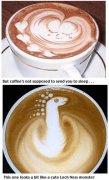
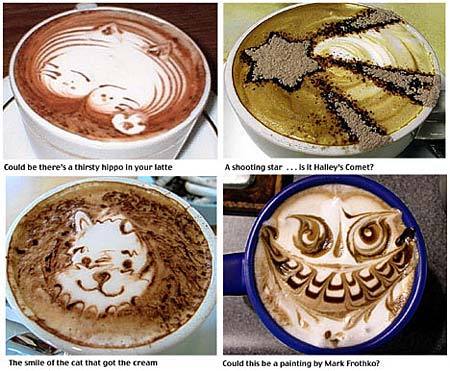
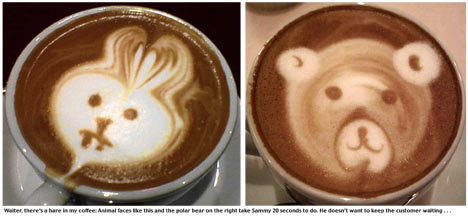
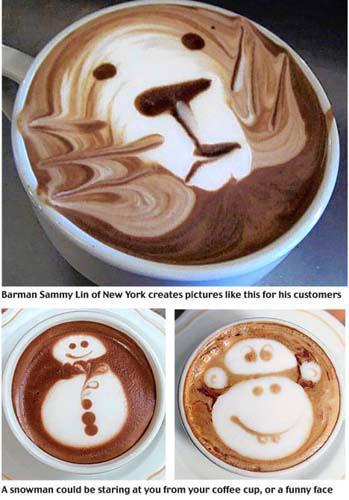
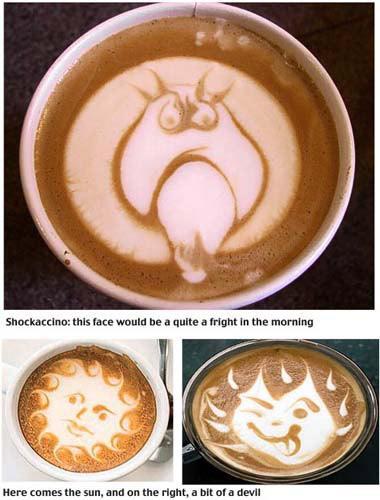
All of these elements come together in skilled hands to form clean, symmetrical designs like roses, swans, or layered tulips.
How the Pros Train—and What You Can Learn
Top baristas train for months, often starting with basic pours and advancing to complex designs. Repetition is crucial. Many pros also use textured mats or practice pitchers to refine muscle memory. Key training points include:
- Mastering the pour’s rhythm—starting high and sinking as milk is added.
- Creating contrast by tilting the cup and controlling flow speed.
- Using the pitcher’s spout edge to shape layers (for tulips and rosettas).
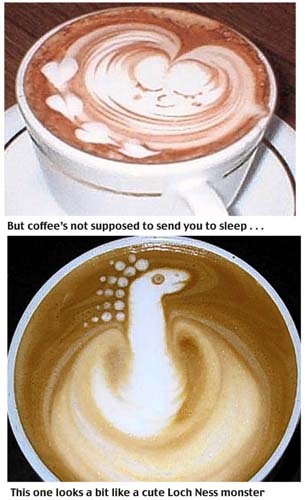
Practice pours often begin with simple hearts, then progress to more intricate tulips and layered designs. Each step demands control over foam density, pour speed, and angle.
Tools and Ratios That Matter
To pour great latte art, your fundamentals must be dialed in:
- Espresso: A double shot (about 30–40ml) with a tight, rich crema. The extraction should balance sweetness, acidity, and body—usually around 9–10 bars of pressure and 25–30 seconds of brew time.
- Milk: Whole milk is most common due to its natural fat content, which aids in microfoam formation. Steamed to 60–65°C with a velvet texture.
- Pitcher: A skilled barista chooses a pitcher with the right spout size for the cup and design.
- Milk-to-Espresso Ratio: A standard latte uses about 200–250ml of milk per double shot. Too much milk dilutes the design; too little makes pouring difficult.
These ratios help maintain the right balance between drink volume, visual contrast, and texture.
Frequently Asked Questions
What’s the biggest mistake beginners make when trying latte art?
The most common mistake is steaming the milk too hot or introducing too many large bubbles. Overheated milk becomes stiff and loses smoothness, while big bubbles prevent the fine texture needed for clean pours. Another frequent issue is pouring from too high or at the wrong angle, leading to splashes instead of defined designs.
Do I need expensive equipment to pour good latte art?
No. While professional-grade machines and grinders help, good latte art mainly depends on milk texture and pouring skill. You can achieve excellent results with a decent home espresso machine, a steam wand that creates microfoam, and practice. The key is controlling milk temperature (60–65°C) and achieving a velvet-like foam.
How long does it take to learn basic latte art?
Most people can pour a basic heart after 1–2 weeks of regular practice (5–10 pours per session). More advanced designs like tulips or rosettas may take a month or more, depending on how consistently you work on milk texturing and pour control.
Can I practice latte art without an espresso machine?
You can practice the pouring motion with water and detergent (to simulate milk foam), but real progress requires steamed milk and espresso. Without the contrast of crema and proper foam, you won’t develop the full skill set. Simulated practice helps with timing and pouring angles, though.
Why does my latte art disappear or blur?
This usually happens when the milk texture is off—too bubbly or too thin—or when the espresso crema breaks down. If the foam isn't fine enough, designs lose shape. Also, if the milk is poured too early or too late in the espresso’s life, the crema won't hold the pattern.
Recommended FrontStreet Beans for Latte Art Practice
If you're learning to pour latte art at home, FrontStreet Coffee offers three excellent blends. Their Classic Blend is a medium-dark roasted mix designed for bold crema and steady extraction—ideal for practicing with its rich body and stable foam support. The Specialty Blend leans nuttier with notes of almond and black chocolate, offering a smoother milk combination for cleaner pours. For those seeking extra richness, the Commercial Blend includes a touch of Robusta to boost crema volume and stability, making it particularly forgiving for newer baristas. All three are great for developing the muscle memory and timing behind great latte art. Freshly roasted within 5 days · Orders placed before 17:00 ship the same day · Next-day delivery across most of Guangdong Province.
FrontStreet Coffee is a long-established specialty coffee roaster in Guangzhou China, selling freshly roasted beans from its own farm in Yunnan as well as dozens of carefully selected single-origin beans from around the world for both pour-over and espresso. The products deliver consistently excellent quality and great value, with shipping within 24 hours. Guangzhou's FrontStreet Coffee shop is recommended by many coffee lovers, and the beans are now available online at the Tmall 。
Important Notice :
前街咖啡 FrontStreet Coffee has moved to new addredd:
FrontStreet Coffee Address: 315,Donghua East Road,GuangZhou
Tel:020 38364473