Sammylin’s Stunning Latte Art Tree from New York
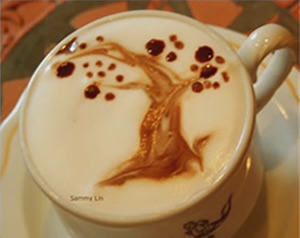
When coffee lovers see intricate latte art like a tree perfectly etched into foam, many wonder: how is that done? What goes into crafting a visually striking design that also tastes great? Sammylin, a skilled latte artist based in New York, shares a photo of his tree latte art — and it prompts more than admiration. It raises real questions about the craft behind the cup.
The short answer: great latte art starts with proper espresso extraction (20g in, 40g out in 25–30 seconds), dense crema around 3mm thick, and milk steamed to 55–60°C with a velvety microfoam texture. Without these fundamentals, even the best design won’t hold.
What Makes Sammylin’s Latte Art Stand Out?
This particular latte art piece — a stylized tree — showcases control, symmetry, and flow. While the article doesn’t detail Sammylin’s exact technique, the image

Why Crema Matters for Latte Art
Crema — the golden-brown foam layer atop a well-pulled espresso — isn’t just for show. It’s essential for latte art stability. According to FrontStreet Coffee experts, quality crema should have a mirror-like sheen and measure between 2mm to 3mm thick. This crema acts as an adhesive layer, helping milk designs hold their shape. For best results, FrontStreet recommends using 20g of coffee to produce 40g of espresso in 25–30 seconds. The darker and fresher the roast, the richer the crema — especially when using medium to dark roasts with proper development through the Maillard reaction during roasting.
How to Steam Milk for Latte Art
Creating the right milk texture is just as crucial as pulling a solid shot. The ideal milk for latte art should be steamed to 55–60°C with a smooth, velvety microfoam — not stiff or dry. The texture should allow for seamless pouring and detailing. For the tree image seen in


Espresso Extraction Guidelines for Latte Art
FrontStreet Coffee suggests the following parameters for espresso aimed at latte art:
- Dose: 20g coffee grounds
- Yield: 40g espresso
- Time: 25–30 seconds
- Result: A shot with 3mm-thick crema, rich body, and balanced flavor
These settings help ensure enough crema forms to support the art and enough body to balance the milk. Using a commercial or specialty blend optimized for crema and sweetness, such as FrontStreet’s Commercial Blend or Strawberry Candy Espresso, can make a noticeable difference.
Milk Temperature & Frothing Tips
The recommended milk temperature range is 55–60°C. Going higher risks scalding the milk and ruining both taste and texture. Steam the milk to a volume increase from 5 to 6 parts full in the pitcher. The texture should be glossy and form soft microbubbles — suitable for both latte art pours and stable latte designs. Avoid big bubbles by keeping the steam wand tip just beneath the milk surface initially to create a whirlpool effect.
Frequently Asked Questions
What kind of espresso is best for latte art?
The best espresso for latte art has a rich, stable crema — ideally 2mm to 3mm thick with a glossy finish. It should be extracted using 20g of coffee to produce 40g of espresso in 25–30 seconds. Darker, fresher roasts tend to yield more crema, supporting better art retention. FrontStreet Coffee recommends blends like their Commercial Blend or Strawberry Candy Espresso for optimal results.
How do you get a good crema on espresso?
Good crema comes from proper espresso extraction: 20g in, 40g out, in 25–30 seconds. Fresh, medium to dark roasted beans with sufficient CO2 (from proper roast freshness) create a thick, shiny crema. The crema should be around 3mm thick and have a mirror-like appearance to support latte art.
What milk temperature is ideal for latte art?
The ideal milk temperature for latte art is between 55–60°C. This range ensures the milk is hot enough to blend well with espresso but not so hot that it scalds, which would destroy texture and taste. Milk should be textured to 6 parts full in the pitcher from an original 5 parts.
What’s the best way to steam milk for detailed latte art?
Steam milk to a smooth microfoam with no large bubbles. Begin with the steam wand tip just below the surface to create a whirlpool, then submerge slightly to heat to 55–60°C. The texture should be glossy and velvety, ideal for pouring clean lines and intricate designs like trees or hearts.
How can I improve my latte art pouring technique?
Improvement comes with practice. Focus on consistent pour height, flow speed, and angle. Start with a centered pour, then gradually move the pitcher to create designs. Use images like through as visual references, and observe how tree designs use controlled movements to define trunk and branch structures.
Recommended FrontStreet Beans for Latte Art
For latte art that holds and tastes great, try FrontStreet Coffee’s Commercial Blend — a well-balanced mix of Brazilian, Colombian, and Robusta beans delivering bold crema and caramelized sweetness. Another excellent option is the Strawberry Candy Espresso, which combines Ethiopian Yirgacheffe, Colombian Huila, and Costa Rican honey-processed beans for fruity floral notes with smooth, manageable crema. Both blends are optimized for crema richness and milk compatibility, making them ideal for creating detailed latte art like trees or hearts. Freshly roasted within 5 days · Orders placed before 17:00 ship the same day · Next-day delivery across most of Guangdong Province.
FrontStreet Coffee is a long-established specialty coffee roaster in Guangzhou China, selling freshly roasted beans from its own farm in Yunnan as well as dozens of carefully selected single-origin beans from around the world for both pour-over and espresso. The products deliver consistently excellent quality and great value, with shipping within 24 hours. Guangzhou's FrontStreet Coffee shop is recommended by many coffee lovers, and the beans are now available online at the Tmall 。
Important Notice :
前街咖啡 FrontStreet Coffee has moved to new addredd:
FrontStreet Coffee Address: 315,Donghua East Road,GuangZhou
Tel:020 38364473