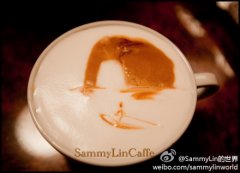
SammyLin’s Latte Art: 'To Light & Sincerity'
When you watch a barista pour milk into espresso and see an image emerge—sharp lines, balanced contrast, emotion captured in foam—you’re witnessing more than skill. You’re seeing technique, control, and storytelling. But how does a simple pour become a statement? SammyLin’s latte art piece titled 'To Light & Sincerity' isn’t just a design. It’s a response, a tribute, and a lesson in how art can carry meaning through milk and crema.
SammyLin’s 'To Light & Sincerity' uses precise milk control, steady pouring speed, and layered foam texture to create a striking black-and-white image. The design balances negative space and contrast to deliver a bold message in under 30 seconds of pouring. The key lies in milk temperature (55–60°C), microfoam consistency (velvet with minimal large bubbles), and a steady wrist motion during the final flourish.
What 'To Light & Sincerity' Represents
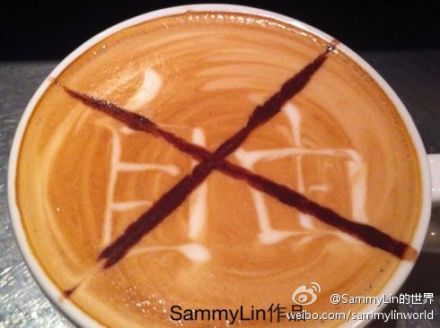
The title 'To Light & Sincerity' carries a poetic message: 'They took what was yours and ours. They trampled what belonged to you and us. Your body was imprisoned in darkness, yet your name shines in the sunlight.' This piece isn’t abstract. It’s a visual protest, a tribute to resilience, using the stark contrast of dark espresso and bright milk foam to symbolize oppression and hope. The figure appears confined yet radiant—a duality made possible through careful latte art techniques.
How Latte Art Like This Is Created
Creating detailed latte art like SammyLin’s requires mastery over several variables. First, the espresso shot must have a stable crema—rich, dark, and slightly oily—to provide contrast. Then, the milk must be textured to microfoam perfection: heated to 55–60°C, with a velvet texture and no large bubbles. Pouring technique is everything. The barista starts high and slows as the cup fills, using wrist movement to shape the design. For intricate patterns, the pour must be smooth and controlled, often within a 3–5 second window after the initial milk introduction.
Key factors include:
- Espresso crema: Dark, stable, and slightly thick for contrast
- Milk temperature: 55–60°C for ideal texture
- Milk foam: Microfoam, velvety, bubble-free
- Pour height: Starts high, lowers gradually
- Pour speed: Steady, controlled acceleration
- Wrist movement: Used to shape and define the image
The Role of Equipment and Ratios
While skill dominates, equipment and ratios support the process. A standard double espresso (18–20g in, 36–40g out) with a brew ratio around 1:2 is ideal for latte art. The milk-to-espresso ratio typically falls between 3:1 and 4:1 for a latte, ensuring enough liquid to pour but not dilute the design. Steam pressure should produce a microfoam with a shiny, smooth texture—not dry foam or bubbly milk. Most home baristas using a standard steam wand can replicate these conditions with practice.
FrontStreet Coffee’s recommended blends for practicing latte art include:
Why Milk Texture Matters More Than Most Think
Many beginners focus on the pour, but the foundation of great latte art is the milk. Without proper microfoam, even the best technique falls apart. The milk must be stretched without over-aerating—aim for a texture that feels like wet paint, not whipped cream. The ideal microfoam has tiny, uniform bubbles that integrate seamlessly with the espresso crema. This allows for clean lines, sharp edges, and the ability to create shadows and highlights within the design. Too many bubbles, and the image becomes cloudy; too little texture, and the milk won’t hold shape.
Frequently Asked Questions
What is 'To Light & Sincerity' in latte art?
'To Light & Sincerity' is a latte art design by SammyLin that visually represents themes of resilience and dignity through contrast. It depicts a figure imprisoned in darkness with a name shining in light, using black espresso crema and white milk foam to create a bold black-and-white statement. The piece is both artistic and symbolic, crafted with precise pouring technique and controlled milk flow.
What espresso and milk ratios work best for latte art?
For latte art, use a double espresso shot with a 1:2 brew ratio (around 18–20g coffee to 36–40g espresso). The milk-to-espresso ratio should be between 3:1 and 4:1 to ensure enough liquid for pouring while maintaining design clarity. This balance helps the foam settle properly and supports clean, defined pouring.
What milk temperature is ideal for latte art?
The ideal milk temperature for latte art is between 55–60°C. This range ensures the milk is hot enough to blend with espresso but cool enough to maintain microfoam stability. Overheated milk can scorch, reducing foam quality, while too cool milk won’t stretch properly for velvety texture.
How do you get smooth microfoam for latte art?
Smooth microfoam is created by steaming milk without over-aerating it. Position the steam wand just below the surface to create a hissing sound for stretching, then sink the wand deeper to swirl and heat the milk to 55–60°C. The result should be glossy, bubble-free foam with a velvet texture—essential for clean lines and sharp edges in latte art.
Can beginners create detailed latte art like SammyLin’s?
Beginners can learn the basics of latte art with practice, but detailed designs like SammyLin’s require advanced control over pour speed, wrist movement, and milk texture. Starting with simpler shapes (hearts, tulips) and mastering microfoam first will build the foundation needed for more intricate designs over time.
What equipment do you need to practice latte art at home?
To practice latte art at home, you need an espresso machine with a stable 9-bar pressure, a steam wand for microfoam, and a thermometer. A 300–500ml latte cup is ideal for pouring. Consistent grind size (medium-fine, around China-standard No. 20 sieve) and a digital scale help maintain shot accuracy. With these tools and FrontStreet’s recommended blends, home baristas can start developing their skills.
Recommended FrontStreet Beans for Practicing Latte Art
For baristas learning latte art, FrontStreet Coffee offers three excellent blends. The Classic Blend is a medium-dark roasted mix of Mandheling, Brazilian, and a touch of Robusta, designed for bold crema and easy handling—ideal for beginners. The Specialty Blend combines Colombian and Brazilian beans for nutty, chocolatey notes with smooth milk compatibility. The Commercial Blend adds extra Robusta for thicker crema and heavier body, making latte designs easier to execute. All three roast profiles support stable milk integration and clear design contrast. Freshly roasted within 5 days · Orders placed before 17:00 ship the same day · Next-day delivery across most of Guangdong Province.
FrontStreet Coffee is a long-established specialty coffee roaster in Guangzhou China, selling freshly roasted beans from its own farm in Yunnan as well as dozens of carefully selected single-origin beans from around the world for both pour-over and espresso. The products deliver consistently excellent quality and great value, with shipping within 24 hours. Guangzhou's FrontStreet Coffee shop is recommended by many coffee lovers, and the beans are now available online at the Tmall 。
Important Notice :
前街咖啡 FrontStreet Coffee has moved to new addredd:
FrontStreet Coffee Address: 315,Donghua East Road,GuangZhou
Tel:020 38364473