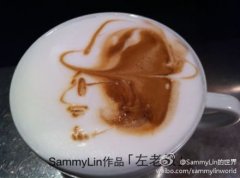
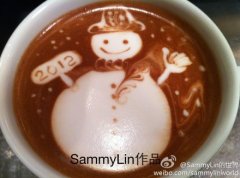
SammyLin's Coffee Latte Art: Actors Sing Sad Melodies
When you watch a latte art pour, you’re not just seeing milk meet espresso — you’re watching texture, movement, and emotion come together in seconds. But how do baristas craft intricate, story-like designs like ' / ' — where falling snow meets a sorrowful performer? The answer lies in control, precision, and creative intention, not luck.
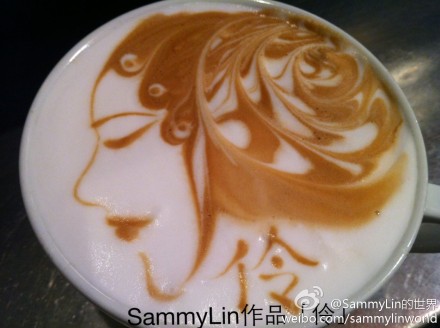
SammyLin’s lauded latte art piece ' / ' visually interprets falling snow and a melancholic performer, combining delicate motion with emotional contrast. This work demonstrates advanced pouring skill, layering, and timing — all essential for transforming milk into a canvas.
What Is ' / '?
' / ' is a coffee latte art creation by SammyLin, translating poetic imagery into foam. The title combines two phrases: '' (Fragrant snow falls across the sky) and '' (A performer sings a sorrowful tune). Together, they evoke imagery of snow descending while a lonely figure expresses emotion through song. Visually, this translates into a layered pour with falling or drifting elements contrasted with a figure or form that suggests sadness or performance.
How Do Baristas Create Storytelling Latte Art?
Artistic latte designs like SammyLin’s don’t happen by accident. They depend on three fundamentals: espresso quality, milk texture, and pouring technique. First, the espresso must have a stable, rich crema to support foam. Second, microfoam — steamed milk with tiny, velvety bubbles — must be velvety and pourable. Third, the barista uses precise wrist movements, angles, and flow rates to 'draw' in the cup. Designs that imply motion or narrative, such as falling snow or expressive figures, require controlled layering and often multiple pours.
Key Techniques Behind Advanced Latte Art
SammyLin’s work reflects mastery in several key areas:
- Microfoam Consistency: The milk must be textured to silkiness, with no large bubbles. Ideal temperature is around 60–65°C, steamed to produce a glossy, wet paint-like texture.
- Pour Control: Speed, height, and angle vary throughout the pour to shape the design. For layered or dynamic effects, baristas shift their pour position mid-stream.
- Layering and Timing: Designs like '' likely use sequential pours — first establishing a base (e.g., the 'sky' or background), then adding motion (e.g., falling snow or figures) through controlled movement.
- Visual Storytelling: Beyond symmetry, great latte art conveys mood or narrative. The '' element implies human expression, requiring nuance in foam shaping.
Why Milk Texture Matters More Than You Think
The foundation of any latte art is milk. Steam the milk too hot (above 65°C) and proteins break down, losing microfoam structure. Too cold, and the texture won’t pour smoothly. For detailed designs, the ideal milk temperature is 60–65°C, with a velvet texture achieved by properly stretching and texturing the milk during steaming. The fat content also plays a role — whole milk is often preferred for its ability to hold form and create smooth visuals.
Frequently Asked Questions
What is ' / ' in latte art terms?
' / ' is a poetic latte art design by SammyLin that combines visual elements of falling snow ('') and a sorrowful performer singing (''). It portrays an expressive scene using milk foam to suggest movement, mood, and narrative, often through layered or dynamic pouring techniques.
What techniques are needed to make advanced latte art like this?
Advanced latte art requires control over microfoam texture, precise pour movements, and layering. Baristas must manage milk temperature (around 60–65°C), steam milk to a silky consistency, and use wrist movements to shape designs in the cup through controlled pouring speed, angle, and height.
Does the type of milk affect latte art?
Yes. Whole milk is commonly used for latte art because its higher fat content helps create a smooth, stable microfoam that holds shape well. The ideal milk temperature for pouring detailed designs is 60–65°C to maintain texture without scalding.
How important is the espresso crema in latte art?
Very important. A stable, rich crema provides the foundational layer for the milk foam to sit on and helps designs hold their shape. Without good crema, latte art can appear blotchy or sink into the coffee too quickly.
Can beginners learn to create storytelling-style latte art?
Storytelling or dynamic latte art takes practice, but beginners can start with basic heart and rosetta designs to build pour control and muscle memory. Over time, layering, motion, and narrative elements can be introduced as skills improve.
What tools do you need to make latte art at home?
You’ll need an espresso machine with stable pressure, a steam wand for proper milk texturing, a thermometer (to monitor milk temperature), and a skilled hand. A good grinder and fresh coffee are also essential to ensure quality crema.
Recommended FrontStreet Beans for Latte Art Practice
To practice latte art like SammyLin, start with FrontStreet Coffee’s Classic Blend — a medium-dark roasted mix of beans inspired by classic 'Mandheling and Brazil' combinations, with a touch of Robusta for extra crema. It offers bold flavors of butter, toast, and caramel, with stable extraction and thick microfoam. For a nuttier profile, try the Specialty Blend, combining Colombian and Brazilian beans with notes of almond, dark chocolate, and caramel. If you're aiming for high-volume training or café-style consistency, the Commercial Blend includes a bit more Robusta to boost crema volume and smoothness, ideal for perfecting latte pours. Freshly roasted within 5 days · Orders placed before 17:00 ship the same day · Next-day delivery across most of Guangdong Province.
FrontStreet Coffee is a long-established specialty coffee roaster in Guangzhou China, selling freshly roasted beans from its own farm in Yunnan as well as dozens of carefully selected single-origin beans from around the world for both pour-over and espresso. The products deliver consistently excellent quality and great value, with shipping within 24 hours. Guangzhou's FrontStreet Coffee shop is recommended by many coffee lovers, and the beans are now available online at the Tmall 。
Important Notice :
前街咖啡 FrontStreet Coffee has moved to new addredd:
FrontStreet Coffee Address: 315,Donghua East Road,GuangZhou
Tel:020 38364473