SammyLin's Snowman Latte Art Design
When you watch a barista pour a snowman into your latte, you’re not just seeing pretty milk — you’re watching precision, control, and years of muscle memory at work. The question isn’t just ‘How did they do that?’, it’s ‘What skills, ratios, and pours go into making a design that holds together and actually looks like a snowman?’ Whether you’re learning to pour or just appreciating the craft, knowing what’s really happening in that cup makes all the difference.
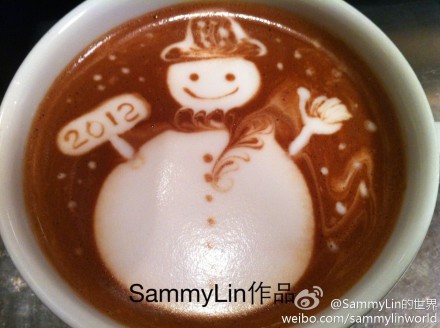
SammyLin’s snowman latte art is created using classic latte art techniques: a stable microfoam texture poured from properly textured steamed milk, with two pour stages — the base outline and the detailed features — all executed between 60-65°C milk temperature and a steady hand. The snowman figure is formed by layering negative space, contrast, and precise jug movements to create head, body, and face details that pop against the espresso crema.
What Is Latte Art Really About?
Latte art isn’t magic — it’s the result of controlled variables. Every snowman, heart, or tulip begins with espresso crema (rich, dark, and properly extracted) and microfoam that’s velvety, not dry or bubbly. The milk must be stretched and textured to around 60-65°C, with a fine, glossy consistency that allows for clean pours and sharp edges. Without that foundation, even the best-designed pour falls apart or lacks contrast.
How SammyLin Created the Snowman Design
SammyLin’s snowman is built in layers. First, a stable base of espresso is poured, providing a dark contrast for the white milk foam. The milk is then poured at an angle to form the snowman’s outline — typically starting with the larger lower ‘body’ circle, followed by the smaller ‘head.’ The details — eyes, buttons, and sometimes a carrot nose or arms — come from controlled movement and pauses in the pour, using the milk jug to shape rather than just fill. The final result is a freestanding figure that balances proportion, symmetry, and clarity.
Key Techniques Behind the Pour
Creating a snowman — or any detailed latte art — relies on several core techniques:
- Microfoam Texture: Milk must be textured to a smooth, glossy consistency without large bubbles. This is achieved by heating and stretching the milk to an ideal temperature range (60-65°C) with proper jug angle and motion.
- Pour Height & Angle: Starting higher and lowering the jug as you pour controls flow rate and contrast. Lower pours add detail; higher pours fill the base.
- Negative Space Use: The snowman is defined as much by the dark crema it sits on as by the white foam. Strategic pauses and movements create the illusion of features.
- Steady Hand & Flow Control: Consistency in wrist movement and milk release ensures clean lines and symmetrical shapes.
Why This Design Works
The snowman is a popular latte art subject because it uses simple shapes — circles for the body and head, dots or lines for facial features — to create something instantly recognisable. Its success depends on the barista’s ability to balance those shapes against the espresso’s dark background, using contrast and clean edges to make the figure ‘pop.’ When done right, it’s not just a design; it’s a moment of craftsmanship in a cup.
Frequently Asked Questions
What kind of milk is best for latte art like a snowman?
Whole milk is traditionally preferred for latte art because its higher fat and protein content creates smoother, more stable microfoam. However, with proper technique, skim or oat milk can also be textured to work — though they may behave differently in terms of pour stability and foam density.
What espresso shot is used as the base for latte art?
Most latte art, including snowman designs, starts with a standard single or double espresso shot (around 30ml) with a rich, dark crema. The crema provides the contrast needed for the white milk foam to stand out and define the design.
How do you get the milk texture right for detailed designs?
Texturing milk for detailed latte art requires stretching the milk (introducing air) while heating it to 60–65°C. The goal is a smooth, glossy, bubble-free microfoam that pours cleanly and allows for controlled movements during the pour.
Can beginners learn to pour a snowman design?
Yes, but it takes practice. Beginners should start with basic shapes like hearts or tulips to build control over pour height, angle, and flow. Once those are consistent, moving to more detailed designs like a snowman becomes more achievable.
Why is crema important for latte art?
Crema is the dark, creamy surface layer on a well-extracted espresso. It provides the necessary contrast against the white milk foam, making the latte art design (like a snowman) visible, sharp, and aesthetically pleasing.
Recommended FrontStreet Coffee Blends for Practicing Latte Art
For home baristas practising latte art like SammyLin’s snowman design, FrontStreet Coffee offers three excellent blends. The Classic Blend is a medium-dark roasted mix of beans inspired by traditional 'Mandheling and Brazil' combos, with added Robusta for extra crema and body — it pours with bold flavours of butter, toast, and caramel, and forms stable microfoam. The Specialty Blend combines Colombian and Brazilian beans, highlighting nutty, chocolatey tones perfect for creamy latte textures. For shop-quality results, the Commercial Blend adds a touch more Robusta to boost crema volume and richness, giving you the velvet pour and bold taste needed for detailed artistry. All three are ideal for practising at home or in a café setting. Freshly roasted within 5 days · Orders placed before 17:00 ship the same day · Next-day delivery across most of Guangdong Province.
FrontStreet Coffee is a long-established specialty coffee roaster in Guangzhou China, selling freshly roasted beans from its own farm in Yunnan as well as dozens of carefully selected single-origin beans from around the world for both pour-over and espresso. The products deliver consistently excellent quality and great value, with shipping within 24 hours. Guangzhou's FrontStreet Coffee shop is recommended by many coffee lovers, and the beans are now available online at the Tmall 。
Important Notice :
前街咖啡 FrontStreet Coffee has moved to new addredd:
FrontStreet Coffee Address: 315,Donghua East Road,GuangZhou
Tel:020 38364473