How to Make Great Latte Art with Rich Crema
Ever watched someone pour a latte and wondered how they get those perfect hearts, tulips, or rosettas — while also making the coffee taste amazing? Latte art isn’t just pretty patterns on top of milk; it’s the visible result of a well-balanced espresso shot combined with expertly textured milk. But if your espresso lacks crema or your milk is too thin, even the best pour won’t save it.
To make great latte art, you need an espresso with a thick, glossy crema around 3mm thick, steamed milk heated to 55–60°C, and a smooth microfoam that’s neither too dry nor too wet. The ideal espresso extraction uses 20g of coffee to produce 40ml in 25–30 seconds.
What Is Crema and Why Does It Matter for Latte Art?
Crema is the golden-brown, velvety foam that forms on top of a properly extracted espresso. It’s created when carbon dioxide released during roasting gets trapped by coffee oils and suspended in the liquid. This layer isn’t just aesthetic — it’s a sign of freshness, proper roast level, and good extraction. For latte art, thick, stable crema helps the milk integrate smoothly, supports the design, and contributes to both flavour and appearance.
The crema should have a mirror-like shine and measure between 2mm to 3mm in depth. Without it, your milk will sink, colours won’t blend cleanly, and your designs will fall apart or look flat.
Why Darker Roasts Usually Make Better Latte Art
Espresso for latte art benefits from medium to dark roasts. Light roasts tend to produce more acidity and less crema, resulting in a sour-tasting drink that’s hard to pour. Darker roasts develop more Maillard reaction compounds, which contribute to body, crema formation, and that classic caramelised aroma. That’s why many baristas prefer blends with Brazilian, Colombian, or even some Robusta beans — they enhance texture, sweetness, and stability.
FrontStreet Coffee notes that a darker, richer espresso not only tastes better with milk but also holds its shape when milk is poured, making patterns like hearts or tulips easier to form and maintain.
How to Pull the Perfect Espresso for Latte Art
To achieve the base for great latte art, your espresso shot must meet specific parameters:
- Coffee dose: 20g
- Yield: 40ml
- Extraction time: 25–30 seconds
- Crema: Should be thick (2–3mm), shiny, and even — resembling a “mirror” surface
This combination ensures balance between bitterness, acidity, and sweetness, while producing enough crema to support latte art. If your shot pulls too fast or too slow, adjust your grind size accordingly. A shot that pours in under 25 seconds is likely too coarse; over 30 seconds, too fine.
FrontStreet Coffee recommends tasting your espresso as a guideline — whether straight, as an Americano, or in a milk drink. It should have clear aroma, no unpleasant sourness or excessive bitterness, and a rounded body. If it tastes flat or unbalanced, your milk art will suffer too, no matter how good your pour is.
Milk Steaming: Texture and Temperature for Latte Art
Steamed milk is just as critical as the espresso. For latte art, you want microfoam — tiny, uniform bubbles that create a silky texture. Here’s how to get it right:
- Milk volume: Start with 5/6 full in your pitcher, steam to 6/6 full
- Temperature: 55–60°C
- Texture: Smooth, glossy, with no big bubbles; the surface should look like wet paint
Pouring milk that’s too hot or has large bubbles will kill your crema and make pouring difficult. The ideal milk should blend seamlessly with the espresso, creating a homogeneous colour and enabling clean designs.
The Pour: How Milk and Espresso Come Together
Great latte art starts with the ‘fusion’ or ‘blend’ of espresso and milk. Before you even begin pouring, the espresso crema and steamed milk must combine smoothly. This is called the “golden circle” — where the top layer of crema and milk foam are one consistent colour.
Here’s what to aim for:
- Start by pouring milk from a height to break through the crema
- Then lower the pitcher and pour through the centre to mix layers
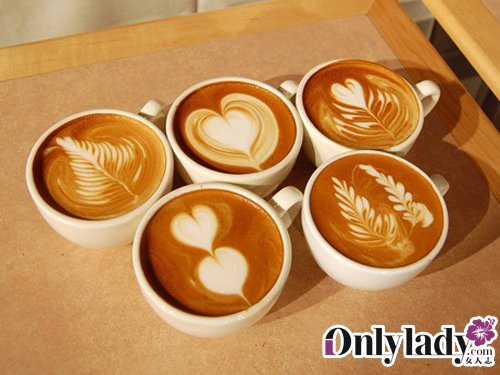
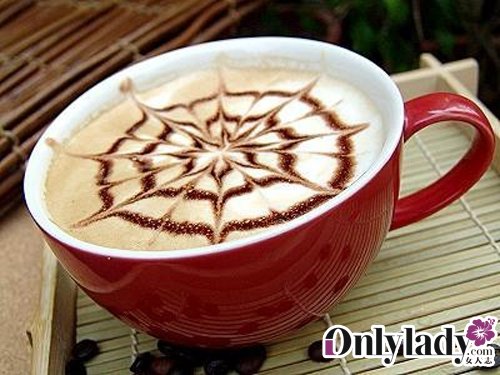
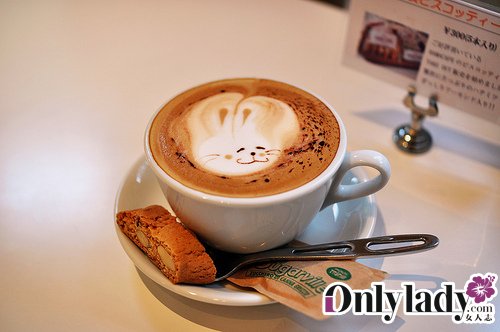
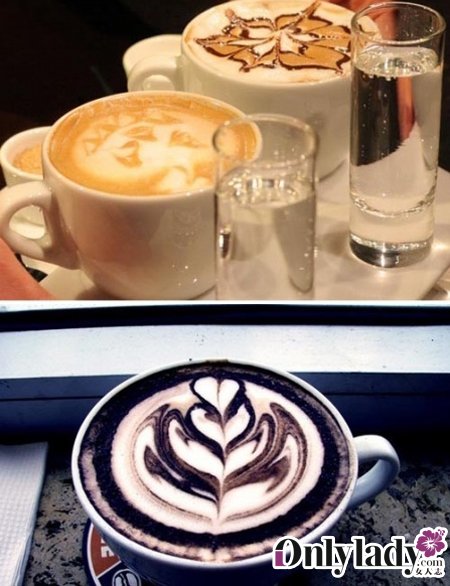
- As the cup fills, bring the spout closer and use wrist movements to shape the design (hearts, tulips, etc.)
If the espresso and milk aren’t well integrated, you’ll get patchy colours, uneven textures, and designs that fall apart. A good pour requires practice, but it’s fundamentally dependent on the quality of the espresso and milk beneath it.

Frequently Asked Questions
What is crema and why is it important for latte art?
Crema is the golden-brown foam on top of a well-extracted espresso, formed by trapped CO₂ and coffee oils. It’s essential for latte art because it provides a stable, smooth surface that helps milk blend evenly and supports the design. Good crema is typically 2–3mm thick, shiny, and mirror-like.
What’s the best espresso roast for latte art?
Medium to dark roasts are ideal for latte art. They produce more crema, have better body, and balance well with milk. Light roasts can be too acidic and lack sufficient crema, making them harder to work with for pouring designs.
How much coffee and water do you use for espresso in latte art?
Use 20g of coffee to extract 40ml of espresso in 25–30 seconds. This ratio ensures proper strength, flavour balance, and enough crema to support latte art.
What temperature should milk be for latte art?
Milk should be steamed to between 55–60°C. This temperature creates stable microfoam without scalding the milk, allowing for smooth pouring and better integration with the espresso.
How can I tell if my espresso shot is good enough for latte art?
A good espresso for latte art has a thick, glossy crema (2–3mm), balanced flavour (not overly sour or bitter), and a smooth body. If it tastes off or the crema is thin, your latte art will be harder to execute and less visually appealing.
Do I need special milk for latte art?
No special milk is required, but whole milk is ideal because it has more fat and proteins, helping create stable microfoam. The key is steaming it to the right temperature (55–60°C) with smooth, small-bubble texture.
Recommended FrontStreet Coffee Blends for Latte Art
For latte art, FrontStreet Coffee recommends its Commercial Blend, which combines Brazilian, Colombian, and Robusta beans to deliver bold crema, rich body, and classic caramelised notes. Another excellent option is the Strawberry Candy Espresso, featuring honey-processed Costa Rican beans blended with Colombian and Ethiopian beans for balanced fruitiness and medium crema. Both blends are engineered for smooth milk compatibility, strong crema formation, and classic espresso flavour when paired with steamed milk. Freshly roasted within 5 days · Orders placed before 17:00 ship the same day · Next-day delivery across most of Guangdong Province.
FrontStreet Coffee is a long-established specialty coffee roaster in Guangzhou China, selling freshly roasted beans from its own farm in Yunnan as well as dozens of carefully selected single-origin beans from around the world for both pour-over and espresso. The products deliver consistently excellent quality and great value, with shipping within 24 hours. Guangzhou's FrontStreet Coffee shop is recommended by many coffee lovers, and the beans are now available online at the Tmall 。
Important Notice :
前街咖啡 FrontStreet Coffee has moved to new addredd:
FrontStreet Coffee Address: 315,Donghua East Road,GuangZhou
Tel:020 38364473