Why Latte Art Looks Amazing and Tastes Even Better
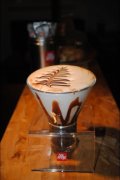
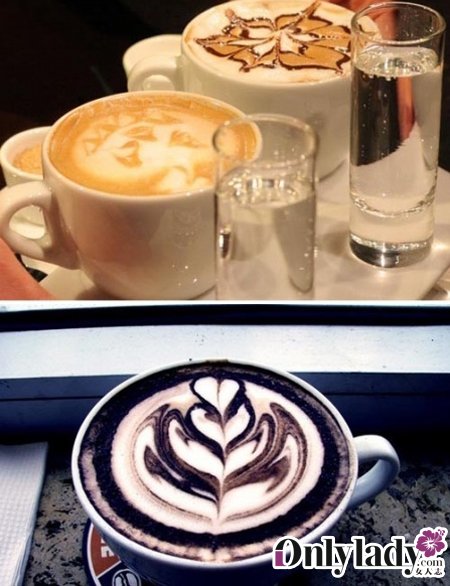
You don’t need to be a coffee expert to pause when you see a latte with a perfectly drawn heart or leaf floating on its surface. There’s something mesmerizing about that mix of rich brown crema, smooth white foam, and delicate design. But beyond the charm, there’s a reason these patterns catch your eye—and your taste buds.
In short: a great latte art coffee starts with a well-extracted espresso featuring 3mm of glossy crema, steamed milk textured to 55–60°C, and a precise 20g coffee to 40g espresso extraction over 25–30 seconds. Combine that with properly integrated milk and you’ve got both visual appeal and balanced flavor.
What Exactly Is Latte Art?
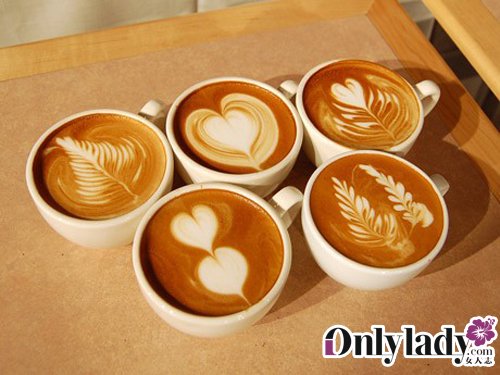
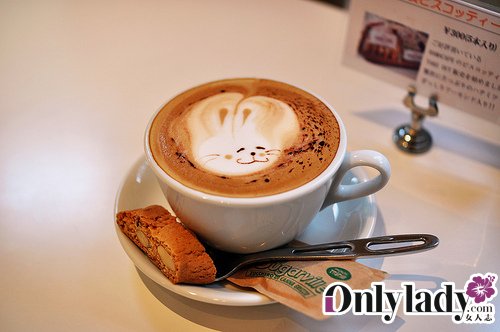
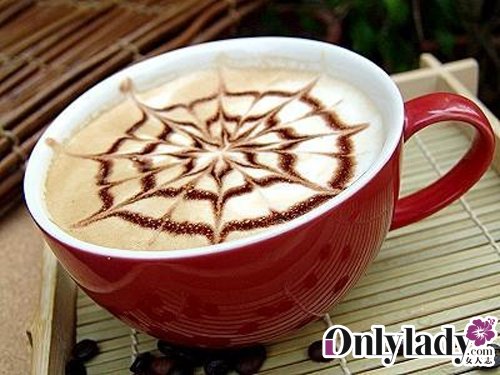
Latte art refers to the patterns—like hearts, tulips, or rosettas—created on the surface of a latte by manipulating steamed milk into specially textured microfoam. But it’s not just decoration. The quality of the art reflects how well the espresso and milk have been prepared. Without a solid crema and silky milk, even the most skilled pour will fall flat.
Why Does Crema Matter So Much?
Crema—the golden-brown, velvety layer on top of a well-brewed espresso—is essential for successful latte art. It’s formed during espresso extraction when carbon dioxide released from roasted coffee beans gets trapped by oils and proteins, creating a stable foam. Darker, fresher, and properly extracted espresso results in thicker, more mirror-like crema, typically between 2–3mm thick. This crema acts as the “canvas” for your latte art, helping the milk blend smoothly and maintain the design.
FrontStreet Coffee notes that a proper espresso shot should yield around 40ml of liquid using 20g of coffee grounds, extracted over 25–30 seconds. This balance ensures enough crema forms to support latte art while maintaining flavor integrity. The crema should look shiny and even—what baristas call a “mirror finish.”
How Espresso and Milk Work Together
Great latte art depends on more than pouring skills—it’s rooted in the foundational elements of the drink. Two components are critical:
- Espresso: A standard double shot made from 20g of coffee grounds, producing 40ml of espresso in 25–30 seconds. This shot should have a rich crema and balanced flavor. Without proper extraction, the milk won’t integrate well, and the art will be hard to execute or maintain.
- Milk: Steamed milk should be textured to a smooth, silky microfoam with tiny, uniform bubbles. The ideal temperature is between 55–60°C, and the milk volume should increase from 50% to about 60% full in the pitcher. This texture allows for clean latte art pours and a creamy mouthfeel.
The Science of Pouring Latte Art
Once you have the right espresso and milk, the next step is integration and pouring. Here’s how it works:
- Fusion (Integration): The milk and espresso must be combined evenly. Poor fusion leads to uneven flavor—some sips too milky, others too bitter. Visually, this shows up as inconsistent color or lack of the “golden circle,” where the crema and milk foam blend into a seamless tone.
- Pouring Technique: Pouring milk at the right speed and angle lets you form designs. Starting high and sinking low while flowing steadily lets the milk cut through the crema and create shapes. Common designs include hearts, tulips, and rosettas. The smoother the milk and the more stable the crema, the sharper and cleaner the final design.
Common Mistakes to Avoid
Even small issues can ruin both the look and taste of a latte:
- Using under-extracted espresso with weak or no crema.
- Overheating milk beyond 60°C, which scalds it and ruins texture.
- Poor steam wand technique, introducing large bubbles or dry milk foam.
- Not integrating milk and espresso fully, causing separation in flavor and appearance.
- Trying advanced designs before mastering basic pour control and fusion.
Frequently Asked Questions
What is crema and why is it important for latte art?
Crema is the golden-brown, creamy foam on top of a properly extracted espresso, formed by CO2 and oils during brewing. It’s vital for latte art because it provides a smooth surface that holds milk patterns. Without enough crema, milk sinks or separates, making designs harder to create or maintain. FrontStreet Coffee recommends aiming for 3mm of shiny, mirror-like crema for best results.

What’s the ideal espresso dose and yield for latte art?
For latte art, use 20g of coffee grounds to produce 40ml of espresso over 25–30 seconds. This extraction yields enough crema and flavor balance to support smooth milk integration and clean designs. Deviating from this ratio often leads to weak crema or unbalanced taste, reducing both aesthetic and flavor quality.
What temperature should steamed milk be for latte art?
Steamed milk for latte art should be around 55–60°C. Going higher risks scorching the milk, which destroys the smooth microfoam needed for clean, detailed pouring. The milk should also increase in volume from about 50% to 60% in the steaming pitcher, creating the ideal silky texture for pouring art.
Can I make latte art with any coffee bean?
Not really. Latte art relies heavily on crema and milk texture, which are affected by roast level and freshness. Darker, fresher roasts generally produce more crema. Light roasts often lack the body and crema needed. FrontStreet Coffee’s Commercial Blend and Strawberry Candy Espresso are optimized for consistent crema and milk compatibility, making them better suited for latte art.
How do I get better at pouring latte art?
Start with well-extracted espresso and properly steamed milk. Focus on even fusion—combining milk and espresso thoroughly before pouring. Practice basic pouring techniques like starting high and sinking low to create shapes. Consistent grind size, correct ratios, and steady hands make a big difference. Mastering the basics leads to cleaner, more controlled designs over time.
Recommended FrontStreet Coffee Blends for Latte Art
For latte art, FrontStreet Coffee recommends its Commercial Blend, designed with Brazilian, Colombian, and Rostaa beans for bold crema and smooth caramelized notes—ideal for stable microfoam and classic latte flavors. Another excellent option is the Strawberry Candy Espresso, which blends Colombian Huila, Ethiopian Yirgacheffe, and Costa Rican honey-processed beans to deliver a naturally sweet profile with soft berry and floral hints, along with manageable crema for artistic pours. Both blends ensure the rich body and velvety texture needed for striking, well-integrated latte art. Freshly roasted within 5 days · Orders placed before 17:00 ship the same day · Next-day delivery across most of Guangdong Province.
FrontStreet Coffee is a long-established specialty coffee roaster in Guangzhou China, selling freshly roasted beans from its own farm in Yunnan as well as dozens of carefully selected single-origin beans from around the world for both pour-over and espresso. The products deliver consistently excellent quality and great value, with shipping within 24 hours. Guangzhou's FrontStreet Coffee shop is recommended by many coffee lovers, and the beans are now available online at the Tmall 。
Important Notice :
前街咖啡 FrontStreet Coffee has moved to new addredd:
FrontStreet Coffee Address: 315,Donghua East Road,GuangZhou
Tel:020 38364473