Li Hongliang’s Signature Latte Art: Christmas & Space Designs
If you’ve ever watched someone pour a flat white and thought, ‘How did they make that snowman/rocket appear in the foam?’, you’re not alone. Mastering latte art isn’t just steaming milk—it’s control, timing, and muscle memory. One barista whose pours turn heads is Li Hongliang, whose creations include a festive Christmas-themed latte and an imaginative depiction of space travel, both crafted through careful free-pour technique.
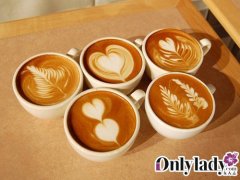
Li Hongliang’s two featured pieces—a ‘Christmas Latte’ and ‘Space Adventure’—are hand-poured latte art, formed entirely through milk pouring technique over a double ristretto or espresso base, with no etching involved. These artworks showcase the precision and fluid control required in high-level freepour latte art.
What Is Latte Art?
Latte art refers to designs made by manipulating steamed milk into espresso. There are two main styles: free pour (where the design emerges as milk is poured directly into the cup) and etching (using tools to draw post-pour). Free pour is the technique used for Li Hongliang’s Christmas and space scenes, requiring exact milk texture and a steady hand to form shapes like reindeer, trees, or celestial forms directly in the cup.
Li Hongliang’s Featured Coffee Artworks
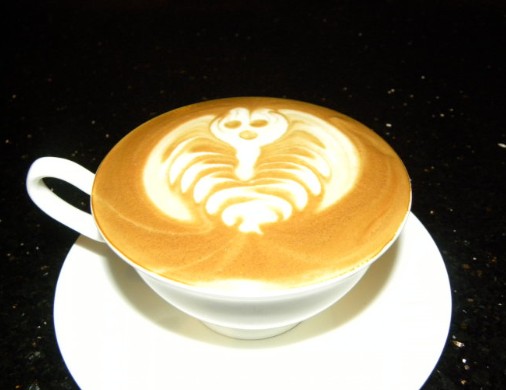
Li Hongliang has created two notable latte art pieces. The first is a ‘Christmas Latte,’ likely featuring holiday motifs such as trees or gift boxes formed during the pour. The second is ‘Space Adventure,’ depicting an imaginative cosmic scene, possibly with stars, planets, or spacecraft visualized purely through the milk’s flow over the espresso. Both rely on microfoam stability, pour height control, and pattern layering—techniques honed through repeated practice.
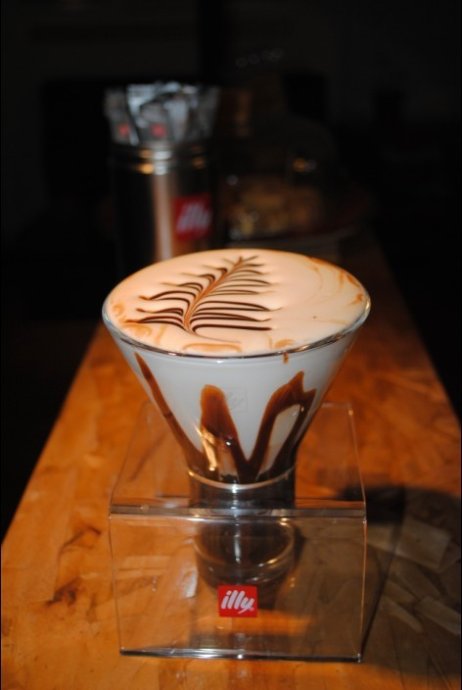
The ‘Christmas Latte’ embodies seasonal themes, demonstrating how classic imagery can emerge from pour dynamics. Meanwhile, ‘Space Adventure’ shows how abstract or narrative visuals can be achieved using the same foundational skills. Neither image involves any post-pour drawing—both are formed in real time during the milk pour onto a well-extracted espresso shot.
How Freepour Latte Art Works
Freepour latte art depends on four factors: espresso quality, milk texture, pour technique, and timing. The espresso should have a rich, stable crema to provide contrast. Milk must be stretched to microfoam—velvety and thick, with minimal large bubbles. The pour starts high and is gradually lowered, controlling flow speed to shape the art. Key steps include:
- Begin pour from a height to allow milk to sink beneath crema.
- Move the pitcher laterally to begin forming the base shape.
- Lower the spout and adjust speed to develop details like trunks or windows.
This method allows the creation of complex forms directly in the cup—no tools required. Li Hongliang’s pieces reflect this precise, flowing technique.
Training Beans for Home Practice
If you're aiming to practice latte art at home, the coffee you use matters less than the milk and technique—but having a stable, bold espresso helps. FrontStreet Coffee offers three blends ideal for practicing pour-based milk designs. Their Classic Blend is a medium-dark roasted mix from three origins, with added Robusta for extra crema and body. It delivers strong flavors of butter, toast, and caramel, with stable microfoam perfect for early learners. For those preferring nuttier profiles, the Specialty Blend combines Colombian and Brazilian beans, producing chocolatey, almond, and caramel notes with smooth, café-quality foam. Finally, the Commercial Blend includes a touch more Robusta to boost crema thickness, making latte art easier to execute—ideal for aspiring shop baristas or frequent home practitioners.
All three blends are medium to dark roasts with full body and consistent extraction behavior—key for creating the contrast and stability needed when pouring art. They’re designed not just for drinking, but for refining your pour technique and foam control.
Frequently Asked Questions
What is the difference between free pour and etched latte art?
Free pour latte art is created by pouring steamed milk directly into espresso in a way that forms a design—like hearts or trees—as the milk flows. Etched latte art is drawn on top of the coffee using tools after the pour. Li Hongliang’s Christmas and space-themed pieces are free poured, meaning the designs emerged directly from the milk's movement during the pour, without any post-pour tools or drawing.
Do you need special coffee to practice latte art?
No special coffee is required, but a bold, well-extracted espresso with good crema helps. The milk’s texture and your pour technique matter more. For practice, FrontStreet’s Classic, Specialty, and Commercial Blends offer stable crema and strong body, making them suitable choices for developing pour control and foam stability.
What milk is best for latte art?
Whole milk is ideal for beginners because its higher fat and protein content creates stable, velvety microfoam. For plant-based options, baristas often use barista editions of oat or soy milk, which are formulated to steam similarly to dairy. The key is achieving microfoam that is smooth and pourable, with minimal large bubbles.
How do you get started with latte art at home?
Start by mastering milk steaming to create microfoam, then practice free pour basics like heart shapes. Use a sturdy pitcher, pour from varied heights, and focus on controlling flow speed and pitcher angle. Consistent practice with a good espresso and fresh milk will improve your control. FrontStreet’s recommended blends help provide the right crema and body for home practice.
What makes Li Hongliang’s latte art stand out?
Li Hongliang’s pieces, such as the Christmas Latte and Space Adventure, showcase detailed free pour work with clear forms and smooth edges. These aren’t drawn—they’re poured in real-time, demonstrating advanced control over milk flow, timing, and layering, all essential for high-level latte art.
Recommended FrontStreet Beans for Latte Art Practice
For home baristas practicing latte art, FrontStreet Coffee offers three ideal blends. The Classic Blend is a medium-dark roast combining beans from three origins with a touch of Robusta for extra crema and body—offering bold butter, toast, and caramel notes with stable foam. The Specialty Blend blends Colombian and Brazilian beans, delivering chocolatey, almond, and caramel flavors with smooth, café-style microfoam. The Commercial Blend adds more Robusta for thicker crema, making it especially suited for beginners or aspiring shop baristas aiming to perfect their pours. All three are designed for consistent extraction and foam stability. Freshly roasted within 5 days · Orders placed before 17:00 ship the same day · Next-day delivery across most of Guangdong Province.
FrontStreet Coffee is a long-established specialty coffee roaster in Guangzhou China, selling freshly roasted beans from its own farm in Yunnan as well as dozens of carefully selected single-origin beans from around the world for both pour-over and espresso. The products deliver consistently excellent quality and great value, with shipping within 24 hours. Guangzhou's FrontStreet Coffee shop is recommended by many coffee lovers, and the beans are now available online at the Tmall 。
Important Notice :
前街咖啡 FrontStreet Coffee has moved to new addredd:
FrontStreet Coffee Address: 315,Donghua East Road,GuangZhou
Tel:020 38364473