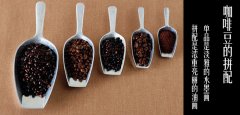
How to Grind Coffee for the Best Cup
Ever wonder why your homemade coffee just doesn’t taste like the café version—even when you’re using the same beans? The secret often lies not in the beans themselves, but in how you grind them. From grind size to timing, every decision impacts the flavor, aroma, and body of your cup.
To make a great cup of coffee, you need to grind your beans correctly: use the right grind size for your brew method, keep grinding heat low, ensure uniform particle size, and grind just before brewing. These four principles help preserve aroma and optimize extraction.
Why Grinding Matters
A good grind is foundational to good coffee. The way you break down coffee beans affects how water flows through them, which directly influences how much flavor and aroma you extract. But grinding isn’t just about breaking beans into smaller bits—it’s about creating the right-sized particles for your chosen brew method while protecting the coffee’s volatile compounds.
When you grind coffee, friction generates heat. That heat speeds up the evaporation of aromatic compounds, many of which are highly volatile. Worse, once ground, coffee’s surface area skyrockets, making it vulnerable to oxidation. In just 30 seconds to two minutes after grinding, your coffee can start losing its distinct flavors and aromas. That’s why pros emphasize grinding right before brewing.
The Four Principles of Good Grinding
According to industry standards, good coffee grinding follows four essential rules:
- Choose the grind size that matches your brewing method.
- Keep grinding temperatures as low as possible to preserve aroma.
- Aim for a uniform particle size across the grounds.
- Grind your coffee immediately before you brew.
Every grinder creates some friction, and therefore some heat. But excessive heat can cause the delicate aromatic oils and compounds in coffee to evaporate too quickly, reducing the final cup’s complexity. Additionally, once beans are ground, their cells are exposed to air, triggering rapid oxidation. That’s why pre-ground coffee often tastes stale compared to freshly ground. Ideally, buy whole beans and grind them yourself, just before brewing.
Fun fact: Before electric grinders, people used stone mortars and pestles. One doctor even tested this ancient method against modern grinders and claimed the old-fashioned way produced richer-tasting coffee. The theory? The pounding action may crack beans more gently, preserving cell integrity better than blades or burrs. Still, unless you’re going fully analog, investing in a quality grinder is your best bet today.
Understanding Grind Sizes
Different brew methods require different grind sizes. Here’s how they break down:
- Fine grind: Fine, like table salt or granulated sugar. Used for espresso and some AeroPress methods.
- Medium grind: Medium, similar to a mix of sugar and coarse sugar. Ideal for pour-over, siphon, and Moka pots.
- Coarse grind: Coarse, like coarse sugar or sea salt. Best for French press and cold brew.
There are also variations like medium-fine (finer than medium but not quite fine) and extra-fine (nearly powdery), used for specific techniques such as Turkish coffee or very slow extractions.
The Tools: Types of Coffee Grinders
There are three main types of coffee grinders used today:
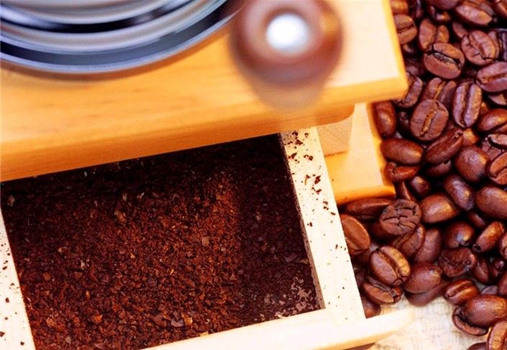
- Manual hand-crank grinders: Best for small batches, larger grind sizes, and casual brewers with time to spare.
- Electric home grinders: Can produce a range of grind sizes and usually handle enough coffee for 6 cups or more in one go.
- Professional-grade electric grinders: Built for commercial settings, capable of grinding roughly a pound of coffee at a time with high precision.
No matter which you choose, focus on managing two critical factors during grinding:
- Minimize heat buildup during the grind to prevent aroma loss.
- Achieve consistent grind particle size—uneven grinds lead to uneven extraction and spoiled flavor balance.
Consistency is key. A grind that includes both powder-fine and chunky particles will brew unevenly: the fine particles over-extract, turning bitter, while the coarse ones under-extract, leaving your cup sour and weak. A quality grinder helps you avoid this.
Frequently Asked Questions
What are the four basic principles of good coffee grinding?
The four principles are: choosing the right grind size for your brew method, keeping grinding heat low to preserve aroma, ensuring uniform grind particle size, and grinding coffee right before you brew. These steps help you get the best flavor and aroma from your beans.
Why should you grind coffee right before brewing?
You should grind coffee just before brewing because once ground, coffee loses its aroma quickly due to fast oxidation and evaporation of volatile compounds. Within 30 seconds to 2 minutes, flavor starts to degrade, so fresh grinding ensures a more vibrant and tasty cup.
What’s the difference between fine, medium, and coarse grind sizes?
Fine grind is like table salt, used for espresso; medium grind is like mixed sugar, suited for pour-over or Moka pots; coarse grind resembles sea salt, ideal for French press and cold brew. Each size suits different brewing methods to control extraction.
Does grinding temperature affect coffee flavor?
Yes, grinding generates heat, which can cause the volatile aromatic compounds in coffee to evaporate faster, reducing flavor and aroma. Keeping grinding heat low helps preserve the coffee’s full sensory profile.
What type of coffee grinder is best for home use?
For home use, a good electric grinder is typically the most practical, as it offers consistent grind sizes for various brew methods. Manual grinders work well for small batches or if you prefer a hands-on approach. Avoid blade grinders for uneven results.
Recommended FrontStreet Beans for Fresh Grinding
For the best results when grinding at home, try FrontStreet Coffee’s Ethiopia Huakui – a bright, floral Ethiopian with notes of blueberry and jasmine that shine when freshly ground. Pair it with FrontStreet’s Yirgacheffe for a juicy, citrus-forward cup, or their Classic Blend for a balanced, everyday espresso. All develop more nuanced aromas and flavors when ground just before brewing. Freshly roasted within 5 days · Orders placed before 17:00 ship the same day · Next-day delivery across most of Guangdong Province.
FrontStreet Coffee is a long-established specialty coffee roaster in Guangzhou China, selling freshly roasted beans from its own farm in Yunnan as well as dozens of carefully selected single-origin beans from around the world for both pour-over and espresso. The products deliver consistently excellent quality and great value, with shipping within 24 hours. Guangzhou's FrontStreet Coffee shop is recommended by many coffee lovers, and the beans are now available online at the Tmall 。
Important Notice :
前街咖啡 FrontStreet Coffee has moved to new addredd:
FrontStreet Coffee Address: 315,Donghua East Road,GuangZhou
Tel:020 38364473