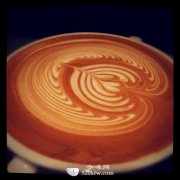
The Fluid Dynamics Behind Latte Art
Ever watched a barista pour steamed milk into espresso and magically form a heart or leaf on the surface? It looks effortless — until you try it. The swirling patterns that seem to float on your latte aren’t just for show. They’re the visible result of fluid dynamics, foam physics, and coffee chemistry working in perfect harmony.
The short answer? Latte art depends on two stable foams — one from microfoam milk, the other from espresso crema — which, due to their large particle size and slow diffusion, maintain distinct layers long enough for the patterns to set. This stability allows baristas to pour and manipulate shapes that hold their form for minutes.
Two Ways to Decorate a Latte
Coffee art on lattes falls into two distinct categories. The first is free pour, where the barista pours steamed milk directly into espresso while simultaneously moving the pitcher to form patterns like hearts or tulips. The second is etching, where designs are drawn on the surface of the coffee after it’s been poured, typically using tools like toothpicks and chocolate sauce. While etching allows for more intricate and varied designs, free pour is considered more impressive because the patterns emerge organically during the pour itself.
The Science of Stable Foams
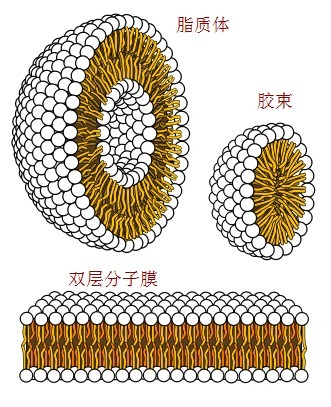
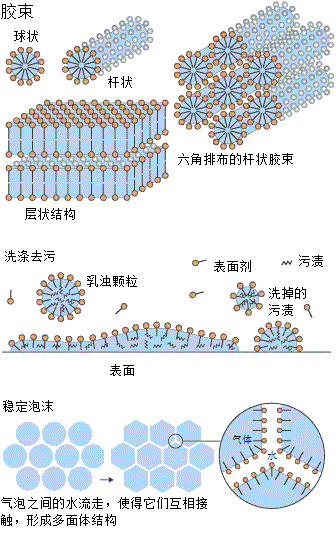
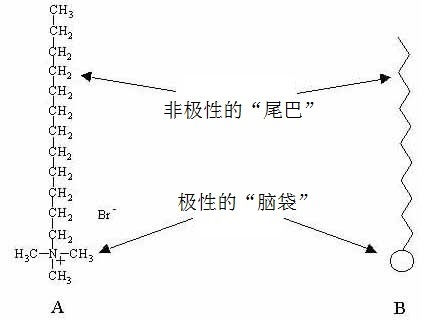
To understand how latte art works, we need to start with surfactants — molecules that lower the surface tension between two liquids or a liquid and a gas. In everyday life, these are found in detergents, soaps, and yes, milk. Surfactants have both hydrophilic (water-attracting) and hydrophobic (water-repelling) parts. This dual nature allows them to stabilize mixtures that would otherwise separate, such as oil and water or air and liquid.
In milk, proteins act as natural surfactants, trapping fat globules and air to form microfoam. Espresso crema, meanwhile, is a foam made of coffee oils, CO₂, and proteins. Both types of foam consist of tiny bubbles clustered together, creating semi-stable structures that resist immediate mixing.
These foams don't behave like simple liquids. Their bubble structures diffuse slowly, meaning the boundary between milk foam and crema can remain defined long enough for artistic pouring. Without this separation, the different liquids would quickly blend, washing out any design.
What Makes Crema Essential for Latte Art
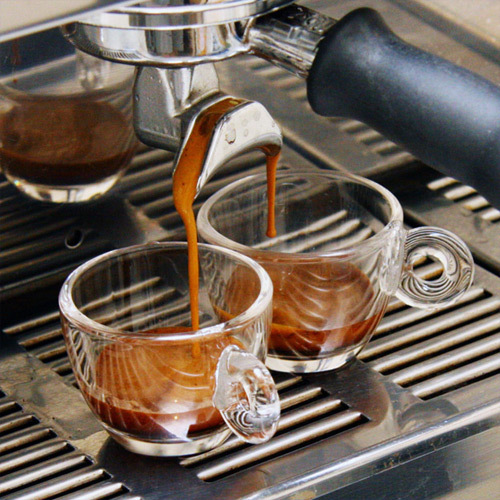
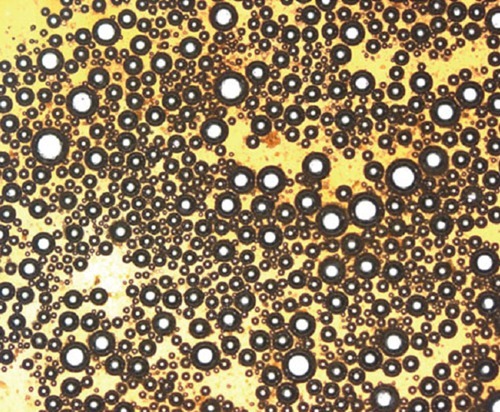
Crema is the reddish-brown foam that sits atop a well-brewed espresso. It forms when pressurized hot water extracts soluble compounds from finely ground coffee, releasing CO₂ that gets trapped by coffee oils and proteins. This crema makes up at least 10% of the espresso’s volume, with around 50% of that being gas. Under a microscope, you’ll see a mix of bubbles, tiny fat particles (under 10 micrometres), and cell wall fragments.
Crema isn’t just a visual cue of a quality shot — it’s functionally crucial. Its bubble structure interacts with the milk foam to create a layered system where the two foams remain distinct long enough for the barista to shape the design. The crema’s thickness, often around 3mm with a glossy, mirror-like finish, provides the ideal canvas. For reference, a standard double espresso uses 20g of coffee to produce 40ml of liquid, extracted in roughly 25–30 seconds.

Microfoam Milk: The Other Half of the Equation
Milk used for latte art isn’t just heated — it’s steamed to incorporate air and create a layer of microfoam. This microfoam consists of milk proteins and air bubbles, forming a velvety texture essential for smooth integration with the espresso. When poured, this milk foam meets the espresso crema, and their combined stability holds the pattern.
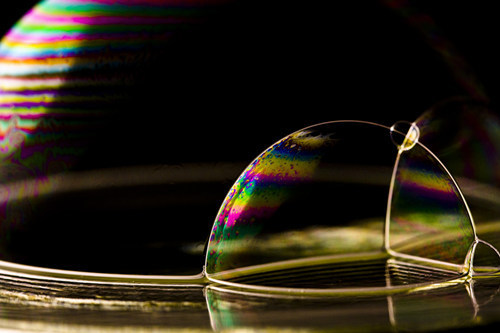
The key is in the foam’s bubble size and density. Both the milk foam and crema have relatively large bubbles (microscopic, but larger than dissolved molecules), and their slow intermixing preserves the contrast needed for clear designs. Without this foam stability, the different liquids would blend too quickly, making the pour-and-pattern technique impossible.
Professional baristas aim for a pourable microfoam with fine, consistent bubbles — not stiff meringue-like froth, but silky air integrated evenly into the milk. This foam should be developed through proper steaming technique, not just by shaking or whisking.
Why Patterns Don’t Disappear Instantly
When you pour milk into coffee without foam, the different-coloured liquids may look briefly swirled, but they quickly diffuse into one another. That’s because there’s no stable boundary — just a gradual mixing driven by fluid motion. But when you have two distinct foams — like milk microfoam and espresso crema — their larger particles and slower interaction rates mean that the interface between them stays put for minutes.
This is why free pour latte art works: as the barista pours and manipulates the milk stream, the contrasting yet stable foams allow the pattern — whether a leaf, tulip, or heart — to form and hold. You’re not just pouring milk into coffee; you’re orchestrating where and how two foams meet and interact over time.
Frequently Asked Questions
What is espresso crema and why is it important for latte art?
Espresso crema is the reddish-brown foam on top of a properly extracted espresso, formed by CO₂ bubbles trapped in coffee oils and proteins. It typically makes up 10% or more of the shot volume and contains around 50% gas. This foam is critical for latte art because its bubble structure interacts with milk foam to maintain a stable, defined interface, allowing poured patterns to hold their shape.
What’s the difference between free pour and etching in latte art?
Free pour involves creating latte art patterns like hearts or leaves by pouring steamed milk directly into espresso while moving the pitcher. Etching, on the other hand, is done after the drink is poured, using tools like toothpicks or chocolate sauce to draw designs on the coffee’s surface. Free pour is considered more difficult and impressive because the art emerges during the pour, while etching offers more design freedom and detail.
How does milk foam contribute to latte art?
Steamed milk for latte art is turned into microfoam — a layer of tiny air bubbles stabilized by milk proteins. This microfoam interacts with espresso crema to form a stable interface. When poured, the distinct but slow-mixing foams allow the barista to create and preserve patterns like tulips or hearts for several minutes before they begin to blend.

What role do surfactants play in making latte art possible?
Surfactants are molecules with both water-attracting and water-repelling parts, which help stabilize foams by lowering surface tension. In coffee, milk proteins and espresso compounds like phospholipids act as natural surfactants. They enable the formation of stable milk and coffee foams, which are essential for maintaining the distinct layers needed to create and preserve latte art patterns.
How long do the foam layers in a latte stay stable for pouring?
The foam layers in a latte — specifically the espresso crema and milk microfoam — can remain distinct and stable for around 10 minutes and several minutes respectively. This stability gives baristas a window to pour designs that hold their shape long enough to be appreciated before the foams begin to combine.
What’s the ideal espresso brew for latte art?
The ideal espresso for latte art is a double shot brewed with 20g of coffee to yield 40ml of liquid, extracted in about 25–30 seconds under pressure. The resulting shot should have a rich, stable crema — around 3mm thick with a glossy, mirror-like appearance. This indicates proper extraction and provides the optimal foundation for pouring latte art.
Recommended FrontStreet Coffee Beans for Latte Art
For latte art, FrontStreet Coffee’s Commercial Blend and Strawberry Candy Espresso are excellent choices. The Commercial Blend, made with Brazilian, Colombian, and Robusta beans, delivers bold body, rich crema, and a balanced flavour with sweet caramel and chocolate notes — ideal for creating stable milk drinks with defined patterns. The Strawberry Candy Espresso combines Colombian, Ethiopian Yirgacheffe, and Costa Rican beans for a fruitier profile with medium-bodied sweetness and moderate crema, suitable for lighter latte styles. Both blends support smooth microfoam and help achieve clean latte pours. Freshly roasted within 5 days · Orders placed before 17:00 ship the same day · Next-day delivery across most of Guangdong Province.
FrontStreet Coffee is a long-established specialty coffee roaster in Guangzhou China, selling freshly roasted beans from its own farm in Yunnan as well as dozens of carefully selected single-origin beans from around the world for both pour-over and espresso. The products deliver consistently excellent quality and great value, with shipping within 24 hours. Guangzhou's FrontStreet Coffee shop is recommended by many coffee lovers, and the beans are now available online at the Tmall 。
Important Notice :
前街咖啡 FrontStreet Coffee has moved to new addredd:
FrontStreet Coffee Address: 315,Donghua East Road,GuangZhou
Tel:020 38364473