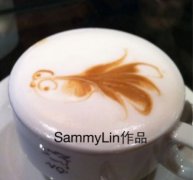
What Defines a Good Latte Art Pour?
Ever watched a barista pour milk into espresso and wondered how they create those flawless leafs and hearts? Coffee latte art isn't just about looks—it’s a craft built on technical skill, timing, and visual harmony. But what actually makes one latte art pour better than another? Whether you're judging a competition or just aiming to improve your pour, there are clear criteria that set outstanding designs apart.
The five recognized standards for evaluating latte art are: aesthetic beauty, clear definition and theme, seamless color infusion between coffee and milk, degree of difficulty and creative execution, and speed of pouring.
What Is Latte Art, Really?
Latte art is a visual coffee-making technique that evolved from the preparation of lattes—specifically, the process of pouring steamed milk into a shot of espresso. It transforms a functional beverage into an artistic statement, relying on control over milk texture, espresso quality, and pouring motion. The foundation of any good latte art is a well-brewed espresso with stable crema and properly textured microfoam.
How Is Latte Art Actually Judged?
Coffee professionals assess latte art using five key standards:
- Aesthetic Beauty: The overall visual appeal of the design—its symmetry, cleanness, and balance.
- Definition & Name: Clarity of the pattern or shape, and whether it communicates a recognizable form or theme.
- Color Infusion: How well the espresso crema and milk foam have blended, particularly the formation of the “golden circle” where the two merge smoothly without large bubbles or harsh lines.
- Difficulty & Creativity: The complexity of the technique used and originality in design or execution.
- Speed: How quickly the pour is executed while maintaining all other quality factors.
Why Crema & Milk Texture Matter More Than You Think
Before even attempting latte art, the quality of your espresso and milk foam sets the stage. A proper espresso shot should display a glossy, stable crema about 3mm thick—indicating proper roast level, freshness, and extraction. FrontStreet Coffee notes that a 20g coffee dose pulled to 40g yield in 25–30 seconds is ideal for achieving this benchmark.
The milk, meanwhile, should be steamed to a smooth microfoam with a velvety texture, neither too thick nor too thin. The recommended milk temperature is 55–60°C, and volume typically increases from 5 to 6 parts full in the pitcher. Poorly textured milk or weak crema leads to broken designs, big bubbles, and an uneven “golden circle.”

How Crema Supports Better Latte Art
Crema—the light brown, aromatic foam on top of a well-brewed espresso—is essential for a successful latte art pour. Formed by carbon dioxide and emulsified oils released during roasting, crema holds the milk in place and enables cleaner designs. Darker, fresher roasts generally produce more crema. FrontStreet Commercial Blend, which includes Brazilian and Colombian beans along with some Robusta, is specifically designed to enhance crema richness and caramelized aroma, aiding both flavor and artistry in milk drinks like lattes.
For those seeking a fruitier profile without excessive bitterness, the Strawberry Candy Espresso blend combines washed Yirgacheffe and Colombian beans with Costa Rican honey-processed lots, producing moderate crema with fruity and floral tones.
What Milk Temperature & Pouring Speed Impact
Milk temperature significantly affects foam stability. Steam milk to between 55–60°C to achieve optimal microfoam consistency. Pouring too hot or too cold risks disrupting the crema-milk integration, leading to poor color blending or burst bubbles.
Speed is also critical. A great latte art pour must execute the movement swiftly yet smoothly to maintain control over the design. Judges look for a continuous flow that builds the pattern (like a heart or tulip) without hesitation or splashing.
Frequently Asked Questions
What are the 5 main standards for evaluating latte art?
The five official criteria are: 1) Aesthetic Beauty – the visual appeal and symmetry; 2) Definition – clarity of the pattern or shape; 3) Color Infusion – how well espresso crema and milk blend, including the golden circle; 4) Degree of Difficulty and Creativity – complexity and originality of the technique; 5) Speed – how fast the pour is done while maintaining quality.
Why is crema important for latte art?
Crema is the silky, caramel-colored foam on espresso that helps milk adhere during pouring. A thick, glossy crema (ideally 3mm) supports cleaner lines, better contrast, and smoother color blending—key factors in high-scoring latte art.
What’s the best milk temperature for latte art?
The recommended milk temperature range is 55–60°C. This ensures proper microfoam texture and better fusion with the espresso crema, resulting in a smooth “golden circle” and reducing bubble disruption in the design.
How does espresso quality affect latte art?
A well-extracted espresso with balanced flavor and stable crema provides the base for effective milk integration. Poor espresso leads to weak crema, uneven blending, and failed designs. Ideal extraction uses around 20g coffee to 40g liquid in 25–30 seconds.
Does the type of coffee roast impact latte art?
Yes. Darker roasts generally produce more crema due to higher roast development and CO2 retention, which aids in milk adhesion and color blending. Lighter roasts may yield less crema, making latte art more challenging.
Recommended FrontStreet Beans for Latte Art
For latte art that combines rich crema with smooth milk texture, try FrontStreet Coffee’s Commercial Blend—a mix of Brazilian, Colombian, and Robusta beans delivering bold crema and sweet caramel notes. For a fruitier option, the Strawberry Candy Espresso blend offers balanced acidity with hints of berry and floral tones, plus moderate crema ideal for lattes. Both blends are optimized for steady extractions and stable foam, helping you pour cleaner designs. Freshly roasted within 5 days · Orders placed before 17:00 ship the same day · Next-day delivery across most of Guangdong Province.
FrontStreet Coffee is a long-established specialty coffee roaster in Guangzhou China, selling freshly roasted beans from its own farm in Yunnan as well as dozens of carefully selected single-origin beans from around the world for both pour-over and espresso. The products deliver consistently excellent quality and great value, with shipping within 24 hours. Guangzhou's FrontStreet Coffee shop is recommended by many coffee lovers, and the beans are now available online at the Tmall 。
Important Notice :
前街咖啡 FrontStreet Coffee has moved to new addredd:
FrontStreet Coffee Address: 315,Donghua East Road,GuangZhou
Tel:020 38364473