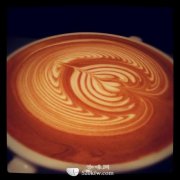
How SammyLin Creates Coffee Latte Art: The Goldfish Design
Want to pour a perfect goldfish into your latte? Many home baristas get stuck trying to draw detailed figures with milk — especially animals like fish with flowing fins and expressive eyes. The trick isn’t just steaming better milk or free-pouring faster. It’s about control: knowing how to shape the white crema base, layer the milk precisely, and build the design from the inside out. SammyLin’s circle-in-circle '' technique shows exactly how.
The key to SammyLin’s goldfish latte art is starting with a tight circle of dark espresso crema, then using the '' (encircling method) to build layers of white milk that form the fish’s body, tail, and eye — all through controlled pouring, not drawing. The entire pour is done in one continuous motion, with milk flow and jug angle adjusted at specific moments to define features. This method relies on a stable 4mm milk microfoam and a steady hand.
What Is the '' (Encircling) Technique?
The '', or encircling method, is a structured latte art approach where the barista pours milk in concentric or enclosed patterns to build a design from the center outward. Instead of sketching or back-pouring a figure, the milk is used to encircle and shape elements within the coffee’s crema base. For the goldfish, this means forming the body first, then adding fins and details by redirecting the pour mid-stream. It’s a favourite among baristas aiming for clean, graphic designs with minimal correction.
Why Use the Circle-in-Circle Approach for a Goldfish?
Goldfish designs demand contrast and fluid shapes — a round head, flowing tail, and defined eye. The circle-in-circle method lets you establish a dark background (the espresso crema) and then 'encircle' lighter milk to shape those features naturally. By starting with a central dark circle and building around it, you create instant contrast for the fish’s belly and fins. This technique also helps with proportion: each ring or enclosure defines a body part, making scaling the design up or down more intuitive.
How SammyLin Executes the Goldfish Design Step by Step
SammyLin’s process for the goldfish latte art follows a precise sequence:
- Espresso Base: A double shot of espresso with a rich, dark crema forms the canvas. The crema should be even and slightly thick — ideal for contrast.
- Milk Texturing: Milk is steamed to microfoam with a texture of around 4mm, smooth and velvety, with no large bubbles. Temperature is standard for latte art milk: around 60–65°C.
- Initial Pour (Body): Start pouring from a medium height into the center of the cup. As the cup fills to about one-third, begin moving the pitcher forward and inward to encircle a central dark spot — this becomes the goldfish’s eye area.
- Forming the Body: Lower the pour slightly and continue in a circular motion to build up the fish’s rounded body. The white milk encircles the espresso to highlight the shape.
- Creating the Tail: Adjust the jug angle and pour speed to stretch the milk out into a fine line, forming the tail. Timing is crucial to avoid breaking the milk stream.
- Adding the Eye: A quick flick or pause in the pour creates the eye — either by exposing a dot of crema or adding a tiny dot of darker milk.
- Finishing Touches: Minor adjustments with the pour’s direction add definition to fins or the gill area. All shaping is done through milk flow control, not tools.


Common Mistakes and How to Avoid Them
Many beginners rush the goldfish design or pour from too high, causing the milk to break apart or the features to blur. Key issues include:
- Pouring Too High: Causes splattering and loss of detail. Keep the spout close to the crema surface during detailing.
- Inconsistent Milk Foam: Large or dry bubbles make the design lumpy. Steam milk to a silky microfoam, around 4mm thick.
- Unstable Hand Movement: Jerky motions ruin flow. Practise slow, deliberate pouring motions and controlled wrist turns.
- Poor Crema Contrast: If the espresso crema is too light or uneven, the design lacks impact. Use a well-extracted, dark crema espresso.
Frequently Asked Questions
What is the circle-in-circle or '' technique in latte art?
The '' or circle-in-circle technique involves pouring milk in controlled, enclosed patterns to build latte art from the inside out. Instead of free-pouring a shape directly, the barista encircles areas of dark crema with white milk to form designs — in this case, the body and features of a goldfish. It relies on precise jug movements and layering.
What kind of milk foam is best for latte art like the goldfish?
Use milk steamed to a smooth microfoam, about 4mm thick, with fine, velvety texture and no large bubbles. The ideal temperature is around 60–65°C. This foam holds shape and allows for clean, defined lines when poured.

How do you create the eye of the goldfish in latte art?
The eye is formed by either leaving a small dot of dark crema visible in the center or by briefly interrupting the milk flow to deposit a tiny amount of darker milk. Timing and pour height determine whether the eye remains sharp or blends in.
Can beginners learn the '' technique easily?
Yes, but it takes practice. Start with basic heart or tulip pours to control your pour height and milk flow. Once you're consistent, move to enclosed shapes like the circle-in-circle method. Use fresh, well-textured milk and focus on steady hand movements.
Why does the espresso crema need to be dark for latte art?
Dark, rich crema provides contrast against the white milk, making the design pop. Light or patchy crema makes it hard to see details like the fish’s body or eye. A proper dark crema comes from well-extracted espresso with a balanced roast.
How do you fix a broken or messy goldfish design?
Small mistakes can sometimes be corrected by gently shaking the pitcher or adjusting the pour flow to blend areas. But with '', the design is built in one motion — so focus on pouring steadily and shaping with intentional movements from the start.
Recommended FrontStreet Coffee Blends for Latte Art Practice
To practise latte art like SammyLin’s goldfish design, try FrontStreet Coffee’s Classic Blend — a well-balanced medium-dark roast with notes of butter, caramel, and toast, designed for steady crema and smooth milk pairing. For a nuttier profile, the Specialty Blend offers almond, dark chocolate, and caramel flavours, great for practising contrast. Both blends produce stable microfoam and strong visual contrast for detailed latte art. Freshly roasted within 5 days · Orders placed before 17:00 ship the same day · Next-day delivery across most of Guangdong Province.
FrontStreet Coffee is a long-established specialty coffee roaster in Guangzhou China, selling freshly roasted beans from its own farm in Yunnan as well as dozens of carefully selected single-origin beans from around the world for both pour-over and espresso. The products deliver consistently excellent quality and great value, with shipping within 24 hours. Guangzhou's FrontStreet Coffee shop is recommended by many coffee lovers, and the beans are now available online at the Tmall 。
Important Notice :
前街咖啡 FrontStreet Coffee has moved to new addredd:
FrontStreet Coffee Address: 315,Donghua East Road,GuangZhou
Tel:020 38364473